Now Streaming On US Sports Radio!

US Sports Net Today!


Live Play-by-Play, Updates, Highlights and More! on US Sports Network!
[Chrome Users-You may have to click on the play button twice to listen]
US Sports Network Powered By Gorilla Sports!


US Sports Radio
The Las Vegas Raiders Play Here
Fitness and Sports Performance Info You Can Use!
The Scoreboard Mall
The Rock Almighty Shaker Of Heaven And Earth!
The Coolest Links In The Universe!

Monday, July 28, 2025

US Sports Hockey: Understanding Exactly What Roller Hockey Is and USA Dominates Inline Hockey World Championship


  • Author Steve Mahoney

Roller hockey and ice hockey are very much the same. The disparity being that it's done on a dry surface and the players utilize skates that have wheels. There are 2 forms of roller hockey. The first is the standard Roller Hockey that's performed using the quad roller skates and the second one is Inline Hockey that's performed using inline skates. Each one of these types of hockey has a different system and gear. The game has a large number of fans and is being played in virtually 60 countries around the world.

Quad Roller Hockey is well-liked in Latin nations like Portugal, Spain and Argentina. These nations have been dominating the game since the 1940s. Other nations like France, Italy, Brazil, Germany, Switzerland, Andorra and England have been competing in main international competitions but have often failed to defeat the leaders in the game. Within the United States, Roller Hockey (Quad) was commonly known as Hardball Hockey, until the USOC used the title Rink Hockey in November 2008.

The goal of each team, consisting of four players or skaters, as they're usually called, and one goalie, is to make a goal by striking the ball in the opponent's goal with the help of the stick. There are two halves of twenty five minutes per half. The group which scores the most total of goals within the given time will win. Each team will get one minute timeout in every half. There can be a minimum of six players or a maximum of 10 with a support goalkeeper.

The rink is normally fabricated from polished wooden surface, although any flat floor that is non-abrasive and non-slippery could also be utilized. Though there are three typical measurements; minimum measurement of 34x17 meters, average size of 40 x 20 meters and maximum measurement of 44 x 22 meters, a rink may be of any measurement between the minimal and the biggest dimension maintaining the 2:1 ratio.

Inline Hockey in the US is often called as Roller Hockey sometimes as well. It's a sport that's much like ice hockey. Same like in ice hockey the players use sticks to hit the puck into the competitor's goal. It's a well-known North American skilled sport that is embodied by the American Inline Hockey League.

Here are a number of main variations between Inline Hockey and Ice Hockey. Inline Hockey is mainly conducted at room temperature on a plain dry surface. In contrast to hockey where the surface is made from frozen water, the Inline Hockey floor is made of lumber, plastic tiles or sealed concrete. The floor should be such that it lets the wheels of the skates to balance and lets the puck slide easily. Since no floor might be as even as the ice, the pucks utilized in Inline Hockey are constructed from light plastic and the puck is placed on tiny plastic nubs that lessen the friction between the puck and the ice rink surface. Inline Hockey is a much less physical game that carries tough punishments for fighting and body checking normally resulting in a fine. Though players use a whole face mask, they often wear less heavy clothes with less safety padding.

In search of Inline Hockey Gear? We've got Inline Hockey Gear by all the top manufacturers, and at nice prices. Go to our site for the newest deals.

visit this page

NYSS Every Kid In the Game

Sunday, July 27, 2025

Louder With Crowder On US Sports Radio


Louder with Crowder
WOKE DEBATE How Bad Does Fantastic 4 Suck & Can Hot Chicks Save America
Now streaming on US Sports Radio

US Sports Partner Spotlight: Momentous


Momentous
Complete Female Athlete Stack
The Complete Female Athlete Stack was developed with Dr. Andy Galpin to support the unique performance and recovery needs of women. This comprehensive stack includes Creatine, Omega-3, Vitamin D3, and Collagen Peptides—each selected to optimize strength, support joint health, and promote long-term resilience.
Shop Momentous today @
https://tinyurl.com/Momentous2025

US Sports Radio affiliate partner
http://www.USSportsRadio.net

The Rock Almighty: From Ecclesiastes To The Catbird Seat and Heavenly Hulk Hogan?


  • Author Brian Connors

Ecclesiastes is a book in the Old Testament written by King Solomon who reached a sobering conclusion regarding the meaning of life. The catbird seat is a position of favor, prominence or power. How can one begin a path to be in the most advantageous situation in life after acceptance of the solemn determination reached by Solomon circa 970 B.C.?

Let’s first examine the author. Solomon had it all from an earthly perspective. He had 700 wives and 300 concubines at his disposal. He made "great works" of houses, vineyards, gardens, orchards and pools of water. He had servants and maidens, musicians and other delightful perks. Gold, silver and great herds of cattle were also part of his life of pleasure.

Ecclesiastes 2: 9-10 concludes "So I was great, and increased more than all that were before me in Jerusalem: also my wisdom remained with me. And whatsoever mine eyes desired I kept not from them, I withheld not my heart from any joy; for my heart rejoiced in all my labour: and this was my portion of all my labor."

This is known in modern parlance as achieving the "American Dream". Was the fulfillment of earthly desires the victory that Solomon supposed it would be? Not quite. He declares in Ecclesiastes 2: 11 that "Then I looked on all the works that my hands had wrought, and on the labour that I had laboured to do: and, behold, all was vanity and vexation of spirit, and there was no profit under the sun." He had reached an understanding that a life of materialistic conquest does not satisfy and that "better is an handful with quietness, than both the hands full with travail and vexation of spirit."

Solomon in Ecclesiastes touched on the advantages of simplicity and that "the sleep of a labouring man is sweet, whether he eat little or much: but the abundance of the rich will not suffer (allow) him to sleep." This fits in perfectly with those that live in the Hollywood fast lane. How many "lifestyles of the rich and famous" stories have you heard that turned into drug abuse, psychiatric disorder or the ultimate despair of suicide? The spider web of fame and fortune has claimed many victims and is continuing its destruction to this day. The casualties are not only within the entertainment industry but extend to all levels of society and possibly within your own home. There is no discrimination.

The book of Ecclesiastes gives various examples of the types of excess that fool mankind. You should take the time to read this work and determine if you have unwittingly placed yourself on the altar of hedonism. The first hurdle along the road to the catbird seat has been passed once that a focus solely on the physical desires of life has been overcome. A fleeting, worldly mindset must be cast aside for an eternal perspective on life. So where does one go from here?

Old Testament prophecies foretold of the life and mission of a Messiah that could free mankind from slavery to the flesh and a sinful world that leads ultimately to spiritual death. These were predicted hundreds of years before someone named Jesus was born in Bethlehem to accomplish the mission of salvation for all who believed in Him and followed His teachings. What evidence is there that can lead us to a rational conclusion that Jesus is, indeed, the antidote to counteract the emptiness that exists within many or most of mankind?

Research shows that there are hundreds of predictions in the Old Testament concerning the first coming of the Messiah already accomplished as written in the New Testament. These include 12 prognostications including that the Messiah was to be preceded by a messenger (Isaiah 40:3 / Matthew 3: 1-2), would be born in Bethlehem (Micah 5:2 / Matthew 2:1), would come from the tribe of Judah (Genesis 49:10 / Luke 3:23-34, Matthew 1: 1-16), would enter Jerusalem on a colt (Zechariah 9:9 / Luke 19: 35-37), would be betrayed by a friend (Psalms 41:9 / Matthew 26: 47-50), would be sold for 30 pieces of silver (Zechariah 11:12 / Matthew 26: 14-15), would be spat upon and beaten (Isaiah 50:6 / Matthew 26: 67-68), would be wounded by his enemies (Isaiah 53:5 / Matthew 27:26), would be silent before his accusers (Isaiah 53:7 / Matthew 27: 12-14), would have his hands and feet pierced (Psalm 22:16 / Luke 23:33), and would be crucified with thieves (Isaiah 53:12 / Matthew 27:38).

There was also a prediction that the money paid for his betrayal would be thrown in the temple and given for a potters field (Zechariah 11:13 / Matthew 27:5-7) Christian scholar Grant Jeffrey calculated that the odds of just these 12 prophecies to come true in one man’s life would be 1 chance in 10 billion times a billion.

The testimony of Jesus within Luke 24: 44 to his disciples after his resurrection from the dead proves that He carried out His mission as prophesied in the Old Testament. He stated "These are the words which I spake unto you, while I was yet with you, that all things must be fulfilled, which were written in the law of Moses, and in the prophets, and in the psalms, concerning me."

The sensible, pragmatic man or woman reading this should come to a conclusion that something incredibly powerful occurred during the days of Jesus and that immediate attention is due to His life. The probability that Jesus is the Savior that He claimed to be is just too overwhelmingly positive to consider otherwise.

You might already be fully familiar with and believe in the truth of the message of Jesus and are reading this article as a reinforcement. You may also have just been made aware of Jesus for the first time and made a decision to surrender your life to Him and biblical Christianity as a believer. Both positions are to be commended. There is just one crucial truth that must be understood by both sides before the catbird seat is firmly secured. What is it?

It is simply the understanding that life is not a playground but a battleground. There is spiritual warfare going on at this moment from an unseen enemy that seeks nothing less than your enslavement and destruction. The stakes are for your very soul. It’s the power that has manifested itself over time from outright wars and oppression to the subtle urgings we all receive to do harm to ourselves and others. Ephesians 6:12 explains it by stating that "we wrestle not against flesh and blood, but against principalities, against powers, against the rulers of the darkness of this world, against spiritual wickedness in high places." Where did this malevolent force come from?

A mighty created being in the heavens known as Lucifer took it upon himself to commit treason against God. Isaiah 14: 12-14 explains "How art thou fallen from heaven, O Lucifer, son of the morning! how art thou cut down to the ground, which didst weaken the nations! For thou hast said in thine heart, I will ascend into heaven, I will exalt my throne above the stars of God: I will sit also upon the mount of the congregation, in the sides of the north: I will ascend above the heights of the clouds; I will be like the most High."

Pride in himself was the motive that prompted the actions of this being known also as Satan as described in Ezekiel 28:17. Revelation 12:4 indicates that 1/3 of the angels in the spiritual realm followed his lead. How does this affect you?

Chip Ingram, author of The Invisible War: What Every Believer Needs To Know About Satan, Demons, and Spiritual Warfare explains that we are engaged in battle now whether we like it or not. The good news is that "Satan was defeated at the cross. Nothing can diminish that. His defeat was irrevocably sealed when Jesus conquered sin and death by dying and rising again. The penalty we incurred for our sin was paid, and its power was broken. Through the cross, Jesus disarmed and triumphed over the enemy."

The fate of Satan and his minions is cast in stone. There is, however, an ongoing demonic guerilla warfare that will try to distract us from doing God’s will in Scripture until the return of the Messiah. We must all call upon Jesus when confronted with trials and temptations to resist the evil one and his demons that strike. We must proclaim that we are children of God and that "greater is He who is in you than he who is in the world." (1 John 4:4) and ask Jesus to intercede in our battle against temptation and wickedness. Chip Ingram explains on another positive note that "as believers in Christ, we do not fight for victory; we fight from victory. In Christ’s power, we are invincible." The fact that believers have the upper hand is, indeed, good news!

Have you realized the futility of materialism and understand that "whosoever therefore will be a friend of the world is the enemy of God"? (James 4:4) Have you accepted Jesus as the only solution to be triumphant in a wicked world? (Romans 6:23) Do you know that you can be forgiven of all sins through Him? (1 John 1:9) Will you be battle-prepared to "Put on the whole armor of God, that you may be able to stand against the wiles of the devil."? (Eph. 6:11). If so, there’s a catbird seat waiting with your name on it.

(Chip Ingram’s "The Invisible War: What Every Believer Needs To Know About Satan, Demons, and Spiritual Warfare" and Grant Jeffrey’s "Armageddon: Appointment with Destiny" and the Bible can all be purchased at www.ChristianBook.com )

Brian is a freelance author who has written articles ranging from business to spiritual matters including "Hell or Heaven: Firsthand Authors Describe Your Fate" He can be emailed at brian_connors@comcast.net with any questions or comments.

National Youth Sports Strategy

Saturday, July 26, 2025

The Las Vegas Raiders Show on US Sports Radio


Can the Raiders with the west with Pete, Chip, Geno, and Maxx?
Las Vegas Raiders Training Camp Report:
Raiders Training Camp Is Underway, Plus Geno Smith Joins The Show
Now streaming on US Sports Radio
https://bit.ly/USSportsRadioToday
http://www.USSportsRadio.net

US Sports Soccer: Modern Ways To Find The Child's Natural Talents and San Diego FC vs. Nashville SC Highlights


 MLS: The Official App

  • Author Amy W.

It does a lot of good if parents can recognize the talents of their kids at a very tender age. This way, the parents can guide them right from their young age to help the kids to attain the height of their career as early as possible. For all you know, the little child of yours may be the next American Idol or the next United States’ president. The earlier the telltale traits are recognized by parents, the better it is to nurture your child to achieve his goals and fulfill his talents. Be that as it may, parents need knowledge on how to recognize the talents of their kids at an early age. And that is the essence of this piece - to enlighten the parent about how to identify hidden talents in their kids.

Accept the kid as he is

Many parents have dreams for their kids, but it is better to allow the kids to choose their own paths. The path chosen by the kid may differ from what you desire or expect as a parent. No matter how different the kid’s plans and opinion are about the future, you must be ready to accept him as he is and help him to nurture his positive dreams and goals. At times, it is not about what the society tells you or what you think that matters, but what the child wants to do or become. Do not compare your kid to another kid next door or your friends’ child. For all you know, the kid next door became what he has become because his parents allowed him to be himself instead of forcing their own perceived ideas on his poor, naïve and helpless mind.

Take time to observe

At times, the best way to identify the hidden talent in that kid is to watch him closely and allow events to unfold. Do not be too quick to sign him up for a football coaching class. Why not allow him to show traces of love for football first? Because you failed in your bid to win a gold medal at the Olympics does not mean you must force your daughter to get involved in sports and feature at the Olympics.

Instead of forcing the kid to tow your desired line, just sit back and be alert to possible signs of a career choice in him.

If your kid is always in the backyard kicking or playing with balls, or frequently drawing Craypas, this may indicate a possible interest in soccer. If your son loves to always bury his head in books or in the habit of building roads and castles with blocks, then you may have a building engineer on your hands. Do you find the child always counting objects, testing his math skills or finding patterns, then you may be grooming a mathematician or even another Albert Einstein right there in your home!

When you notice any of the behaviors above, you should buy supplies and materials that can help the child to groom his dreams and explore his interests further. You can go a step further by registering the child in an institution, class or organization that can help him to develop his dreams and goals in life. Membership of these organizations or attendance in such related classes can help determine if the child is interested in that particular area and also help him to get better at what he does.

Set him free

Allow your child to explore freely, and this can indicate what the child wants to do. Do not engage any trial and error method in discovering the interest of the child. Instead, set him free and let his behaviors determine what his talent is. Your kid will stumble upon his interests during exploration. Give the child ample downtime, and he can successfully develop a sense of wonder. It will leave him to decide for himself what he wants to do.

Do not expect too much

Not every child can start playing the violin like an expert from age four. Maybe the boy next door could pull off that stunt, it gives no excuse to expect the same from your kid. Research shows that kids only start reflecting developmentally on their future when they are in the middle school year. So expecting too much from your kid at a very tender age may yield no good fruit. Before the kid attains middle school years, allow him to explore all possible options, which will help him to make informed decisions about what he wants to do in the future. He can pick out his interest among the various activities you allowed him to engage in.

Foster a growth mindset

Your kids are more likely to try new things and take risks when they have a growth mindset. As a result, they can open themselves up to various possibilities of discovering that particular thing they are passionate about.

Conclusion

Parents should allow their kids to explore and discover their interests by themselves, but there are times the parent may have to give the child a push. A parent needs the discretion to know what to do at any particular time. The parent may have to give a push when the child seems to be giving up on a dream he had earlier developed a genuine passion for. Parents will be better guides for their kids if they are knowledgeable about what to do and when to do it.

If you are interested in coloring pages for children and adults then feel free to comment or contact us anytime you want.

NYSS FB Be A Role Model

Friday, July 25, 2025

US Sports Track and Field: Four Tips for Teaching the Javelin Throw and The Only World Record That Was Too Good To Count


  • By Grant Young

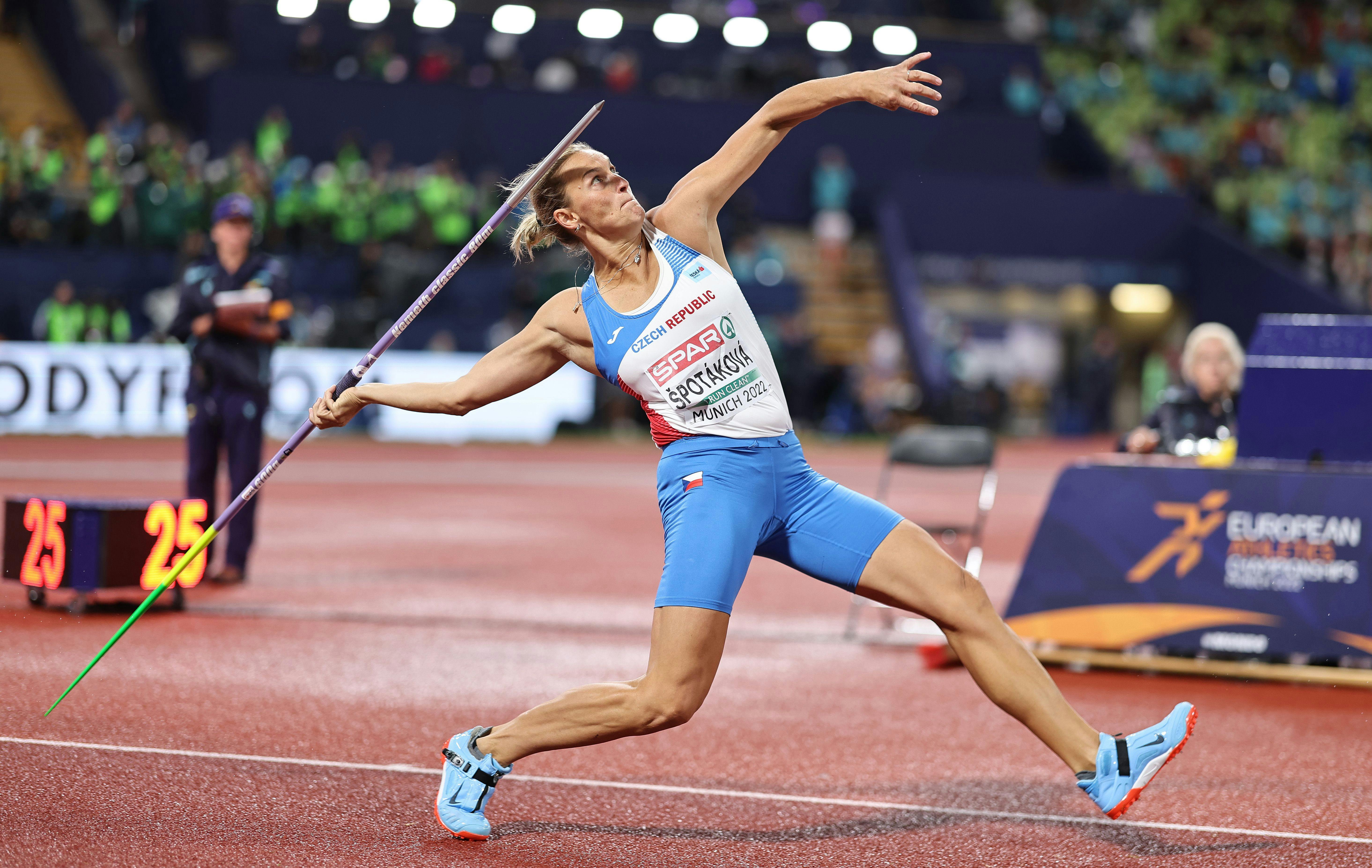
Teaching the javelin throw can present several challenges for javelin coaches, primarily due to the technical complexity of the event. 

Unlike some other track and field disciplines, the javelin throw requires a unique combination of strength, technique, and timing. Coaches must convey the intricate mechanics involved in the proper grip, stance, and release angles, which can be difficult for athletes to grasp without consistent practice and feedback. 

Not to mention that the javelin's physics—its aerodynamics and the way it reacts based on force and angle—adds another layer of complexity. Each athlete's physical attributes, such as height, arm length, and strength, affect how effectively they can perform the throw, requiring coaches to tailor their teaching strategies to individual needs. 

Safety is also a significant concern, as the javelin is a projectile that can pose risks to both the thrower and others in the vicinity. Coaches must emphasize safety protocols and proper warm-ups to prevent injuries. 

Lastly, there is often a lack of resources and equipment for proper training, making it challenging to provide adequate practice opportunities. 

The combination of technical demands, individual differences, safety issues, and resource limitations makes teaching the javelin throw a complex task for coaches. This is why it’s crucial to have the right resources and knowledge when teaching the javelin throw to your athletes. 

For that reason, we’ve compiled four crucial tips from proven javelin coaches that you can use right away when looking to correct technique and improve performance for your athletes. 

Mark Mirabelli - Throw Breakdown

During his 45 years as a track and field coach, Mark Mirabelli has presented at many national clinics in the USA and trained thousands of athletes over the US. Mirabelli's method and expertise in the Shot Put, Discus, and Javelin. 

Some of his most notable accolades are producing a 164-0 National Record at the prestigious Willingboro High School, coaching 16 All-American throwers in the Javelin, being selected by the NJISSA as “Outstanding Coaching Award for Dedication in NJ Track & Field” 2006, being selected to participate in the 2006 Gill/OTE Javelin Symposium in Chicago for Javelin Research among the best in the USA and Finland, and coaching 100’s of student-athletes in the Shot, Discus, and Javelin to full and part scholarships.

In his ‘Javelin II: The Ultimate Throwing Course Beginning to End’ clinic, Coach Mirabelli discusses what he wants to see in terms of javelin throw technique.

Among the most important parts of this is that the athlete keeps a nice backward lean, maintains a strong float (the stable flight path of the javelin where it appears to hang in the air, seemingly frozen) with the wrist above the shoulder throughout the throw, and that they keep the javelin point close to the cheek. 

This last point is important because it’s natural for an athlete (or any human, for that matter) to want to keep a sharp point like a javelin tip away from their eyes and cheek. But an athlete can’t have this in mind when executing their throw, or their mechanics will fall apart. 

Mark Mirabelli - Dynamic Warm Up Without Partner

Of course, warming up is crucial for any athlete. But especially javelin throwers, where such a specific and repetitive movement can easily lead to muscle strain and overuse.

This is why Coach Mirabelli swears by a dynamic warm-up that’s included in his clinic. Among the exercises he recommends is the side-to-side groin stretch for 20 yards. Because the javelin throw requires hip and groin mobility, it’s important to get these muscles stretched out. He also suggests implementing a toe touch with each stretch, which will increase flexibility. 

Of course, shoulder mobility is also of paramount importance. Therefore, Coach Mirabelli also suggests lateral snow angels while skipping for 20 yards, which will open up the scapula and get the upper body muscles firing. 

Sean Furey - Bungee Drill

null

Coach Sean Furey has been coaching and consulting with athletes at the high school, college and Olympic level since 2017. Prior to that, he had a 20-year post collegiate javelin throwing career, that saw him compete in two Olympic Games, two IAAF World Championships, and two Pan American Games. Sean also competed in the USA national championships for 14 straight years, winning three times. 

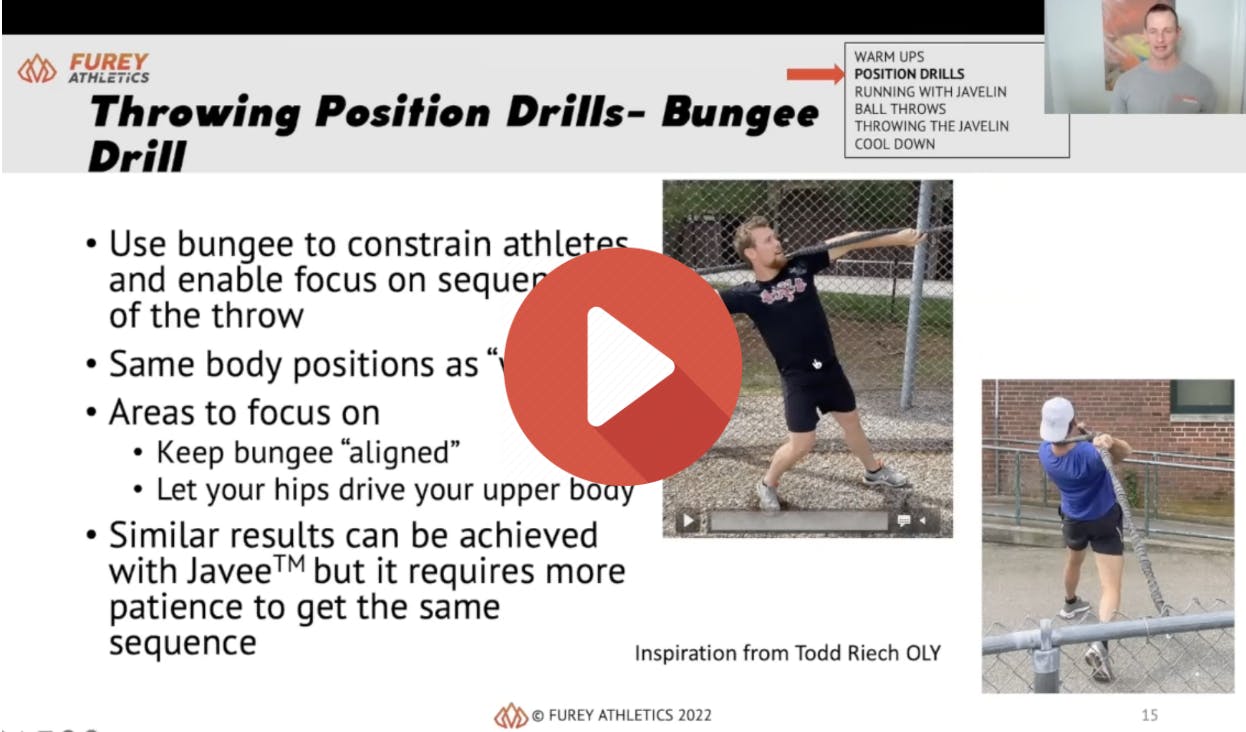
In his ‘Javelin Fundamentals: Guidelines for Setting Up An Effective Throwing Session’ clinic, Coach Furey discusses what he calls a bungee drill, which requires a bungee cord. 

Athletes are going to set the bungee cord up to a chain link fence and hold it like they would a javelin (while facing away from the fence). From there, they will mimic their javelin throw while focusing on driving the back knee, hip, and foot and then feeling the pressure of the throw going up the chain. 

This drill focuses on the hips, so athletes don’t need to mimic the actual throw. They can focus solely on replicating the hip movement required for a javelin throw and stopping the action there. 

Sean Furey - Take Away Messages

Through his time as both a player and a coach, Coach Furey has found that using vivid imagery and prioritizing objective assessment over subjective (which can evoke more negative emotions) are among the most effective techniques a javelin coach can use to instill knowledge into their athletes. 

In addition, Coach Furey stresses the importance of adding external cues. Seemingly trivial details like a team’s culture and demeanor during warm-ups do a lot as both a cause and effect of a team’s success (or lack thereof). Coaches should always be acutely aware of these small matters, because they’re great indicators of how well a job a coach is doing with their team.  

NYSS Twitter Focus on Fun

Thursday, July 24, 2025

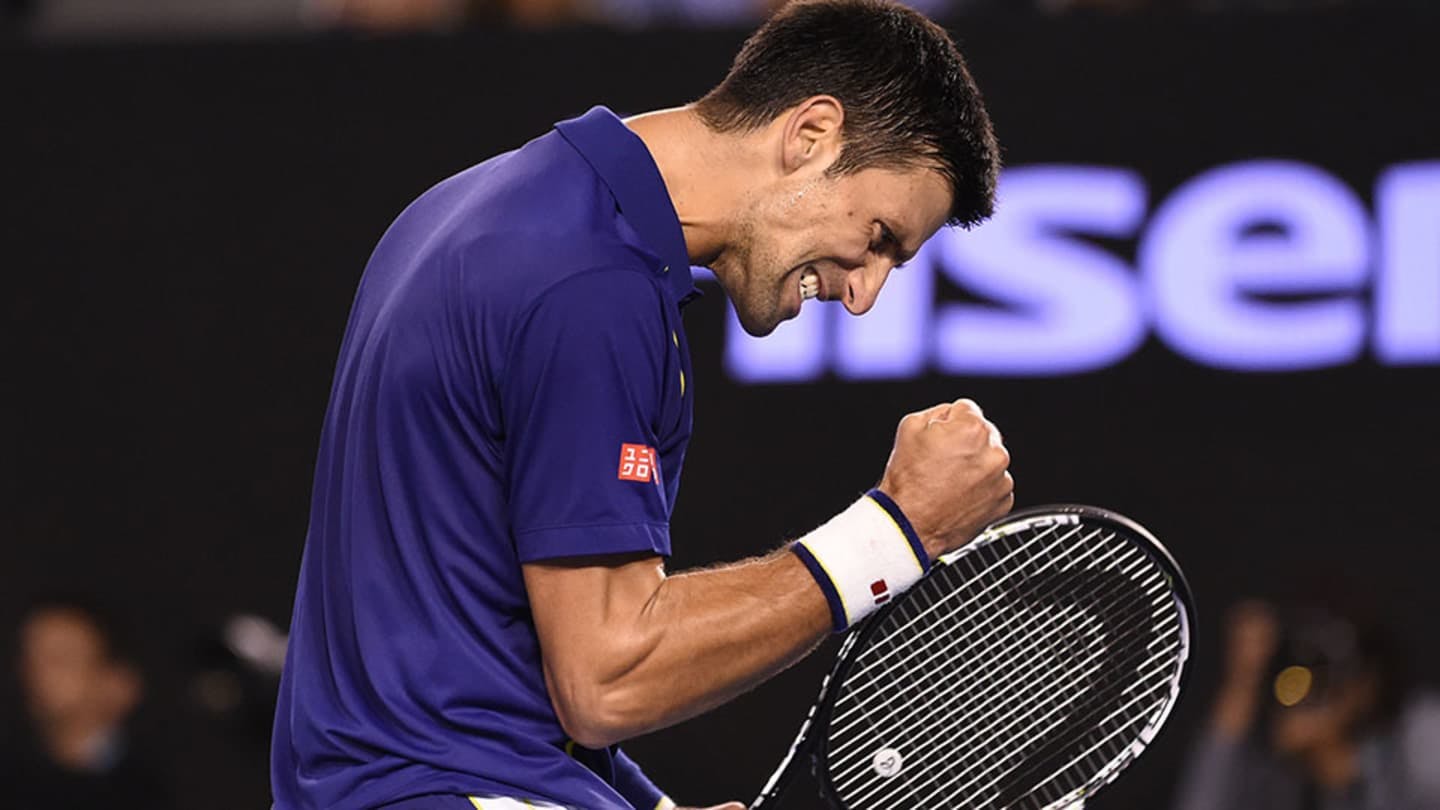
US Sports Tennis: Five Tactical Tips to Win More Tennis Matches and Fritz, Medvedev, Tiafoe & More Open Campaigns Washington 2025


  • By Grant Young

In the world of building tennis strategies, it’s easy to assume that skill and mental fortitude alone guarantee victory. However, even the most talented players can find themselves on the losing end of a match due to poor tactical planning. This phenomenon highlights the importance of strategy in the high-stakes environment of professional tennis, where fine details can make or break a game.

Here are some key points illustrating how inadequate tactical planning can lead to unexpected losses: 

- Failure to Analyze Opponent: A player may overlook the importance of studying their opponent’s previous matches and tendencies, missing crucial weaknesses that could be exploited. 

- Rigid Strategy: Sticking to a pre-determined game plan without adapting to the ongoing dynamics of the match can make a player predictable and vulnerable. 

- Ignoring Court Conditions: Not adjusting tactics for specific court surfaces or weather conditions can hinder a player's performance and lead to poor shot selection. 

- Overconfidence in Skill: Relying solely on their natural talent may cause a player to neglect strategic adjustments, creating holes in their game that an opponent can exploit. 

- Poor Shot Selection: Choosing aggressive shots instead of playing defensively at critical moments can lead to unforced errors, shifting momentum in favor of the opponent. 

- Mental Frustration: When a player encounters unexpected challenges, failing to adjust their tactics can lead to frustration and a decline in mental focus, further compromising their performance. 

Thankfully, grasping just a few key technical tips can set any player up for success in whatever matches they find themselves in. And few tennis coaches are better suited to dish these tips out than Marcin Bieniek.

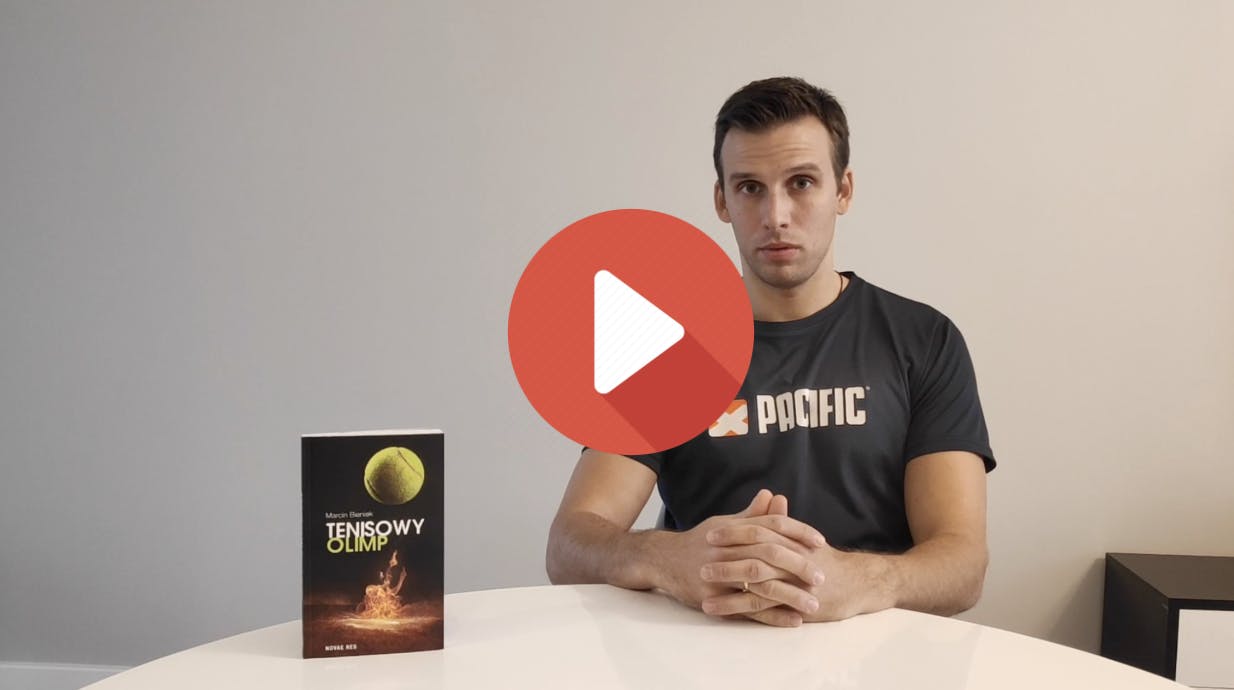
Coach Bieniek is a professional tennis coach and an author of tennis instructional book "Tenisowy Olimp". He started tennis at the age of 7 and continued his career to achieve a Top 10 rank in U12, U14, U16, U18 in Poland. He was competing on the international level and managed to get the highest ITF rank #475. As a coach, Marcin is certified by Polish Tennis Association, Professional Tennis Registry (Professional degree) and by International Tennis Performance Association (CTPS level). 

In his ‘Tactical plan to win a tennis match’ clinic, Coach Bieniek details tennis match tactics such as baseline game, net game, serving, and returning that will teach you how to think tactically and discover options that will give you advantages in a match against any opponent. We have pulled five of his tactics and included them below.  

Introduction

Coach Bieniek conveys five of his most pressing tactical tips to help players win tennis matches.

1. Cross-Court Power: He believes that a player should focus their practice and game energy on hitting cross court shots. Coach Bieniek asserts this is a great tactic because it’s more difficult to defend and will get an opponent more tired than straight line shots. As a result, the opponent will get more tired and make more mistakes as the match progresses. 

2. The Key of Positioning: Coach Bieniek explains that just knowing the correct positioning during a match can often be the difference between winning and losing, given that so many players have improper positioning. Some of his tips in this regard include not listening to the common adage “recover to the middle of the court” at all times. Instead, Coach Bieniek says that the only time you should do this is after you hit it to the center of the court.

Instead, players should use the tactic of following their shot so that they’re always in the middle of whichever angle their opponent can hit their shot back from.

3. Power of Tactical Basics: In this section, Coach Bieniek stresses the importance of getting back to the basics when a tennis player is struggling in a match. For example, this could be using and leaning in to your individual strengths as a player, whatever those may be. In addition to that, understanding and recognizing your weaknesses is a great basic tactic that can help you realize what your opponent might be trying to do against you or how you might be susceptible. 

4. Variety of Serving Pressure

null

Another tactic that Coach Bieniek swears by is having a variety of different pressures and speeds when executing a serve. This will keep your opponent guessing and unable to fall into a rhythm when your serve. In addition, using a variety of different serves will help you to identify what the opponent’s weaknesses are, which will allow you to exploit them and gain the upper hand. 

5. Returning With Plan: For his fifth and final tactic, Coach Bieniek conveys that a player should always have a plan in mind for how they want to return the serve so that they’re not merely reactionary to whatever their opponent’s serve plan is, which is when the most amount of mistakes arrive. 

While this is true, Coach Bieniek also conveys that a player must be able to adapt if their plan doesn’t work out in the way they had imagined, because this is a key aspect of having mental strength and being able to persevere enough to win a match. 

NYSS Twitter Be a Role Model

Wednesday, July 23, 2025

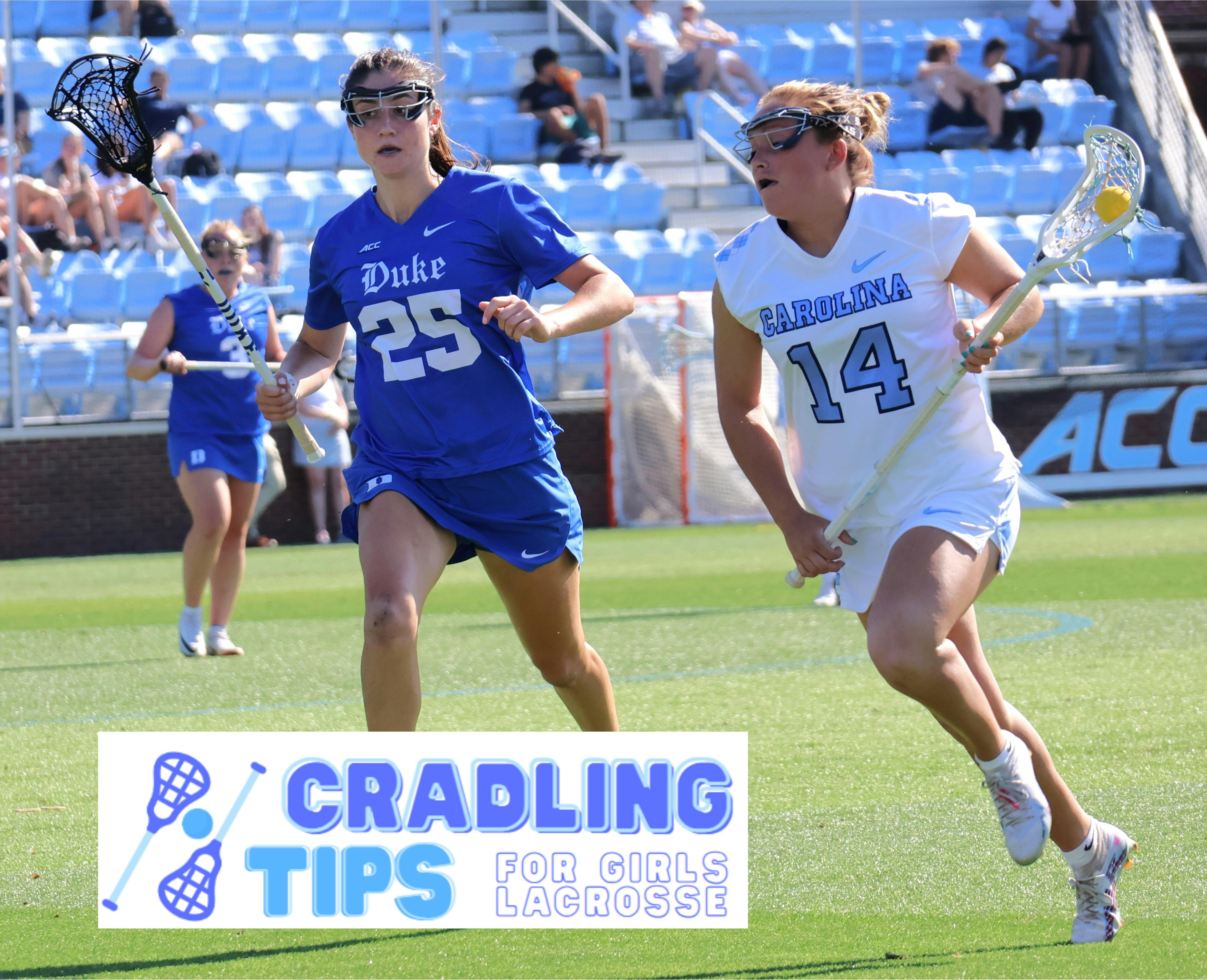
US Sports Lacrosse: From Beginner to Game-Changer: Cradling Tips for Girls’ Lacrosse and Top 20 Plays of the 2025 College Lacrosse Season


  • By Avery Hixson

When coaching girls lacrosse, it is crucial to understand that confidence on the lacrosse field starts with mastering the basics—and cradling is one of the most essential. It’s not just about keeping the ball in the stick; it’s about giving young players the control, rhythm, and poise they need to move with purpose. A strong cradle allows athletes to protect the ball under pressure, transition smoothly, and set up every play with confidence.

The right mix of instruction, repetition, and encouragement can turn hesitant hands into high-impact players. These practical tips and easy-to-teach strategies work for any kind of young player. Give your team the tools they need to develop, compete with confidence, and truly enjoy the game.

All lacrosse players know that solid stick skills set a great player apart from a decent player. Sheehan Stanwick Burch, a four-time All American women's lacrosse player and US Lacrosse Hall of Famer specializes in taking decent players and making them into great players. Burch has mastered teaching new players how to cradle with a few simple points and reminders that she covers in her course, Girls Lacrosse Drills & Tips Video Library, as well as many other key lacrosse concepts. Anybody can learn to cradle effectively, so let's dive in!

Tips to Know

Before picking up the stick and just going for it, it’s important to have some rules to reference. To cradle, you must know how to hold the stick, placement of the stick, and the motion of the cradle.

Hand Placement

Your dominant hand should be about two thirds up the stick, wherever it feels most comfortable to hold, with a strong grip. Your nondominant hand should be at the very bottom of the stick, also known as the butt of the stick, lightly holding the stick in place. Your bottom hand shouldn’t be doing much of the work, it is “just a guide.”

Position of the Stick

Coach Burch describes that the stick should be tilted enough to balance the ball upright, but not so tilted that it has the chance to roll out the back. The starting position of the cradle should be tilted on your dominant side shoulder. You should “always be a threat to score,” meaning your stick position should be comfortable and versatile enough to pass or shoot.

Motion of the Cradle

The motion of the cradling itself should be “very quick, and very tight.” Simplicity is key when it comes to an effective cradle, it is important to be able to make quick decisions while cradling, like passing, shooting, dodging, or even faking.

How and Where to Cradle

null

Once the process is understood, it’s time to cradle! The cradle should be between your shoulder and your ear. This means that the full range of motion that the cradle covers shouldn’t go any farther away from your body than your shoulder. The cradle should begin with the stick out at your shoulder, then quickly curls in towards your ear, then repeat. This ensures that the ball is protected from other players. This position also maintains the “threat to score” ability. This simple, short-range cradle saves time and energy compared to wider, more dramatic or advanced cradling methods.

Cradle with Either Hand

null

The next step after learning to cradle is to be able to do so with both hands. Coach Rachel Lenzo covers how to do this in her course, Catching, Shooting & Dodging for Girls Lacrosse. Here’s how she describes it.

To learn to switch hands, you should begin in the “triple threat position,” similar to what Coach Burch describes as being a “threat to score.” If you are switching from your right hand to your left hand, you first need to bring your bottom hand to your left side. Then, you lower your stick to your bottom hand, and switch hand positions to a left-dominant position. Coach Benzo clarifies that at no point in this switch should you only have one hand on the stick, it should be both at all times. She emphasizes the two most important steps: cross over your body, and switch your hands. Being able to cradle with both hands and protect the stick is a surefire way to become a better player.

NYSS Stay In The Game

Tuesday, July 22, 2025

US Sports Partner Spotlight: Fundrise

 Fundrise logo

We're on a mission to build a better financial system by empowering the individual.
Founded in 2012 and headquartered in Washington, DC, Fundrise is one of the leading real estate investment platforms.
Get started @ https://tinyurl.com/FundriseToday

US Sports Radio affiliate partner
http://www.USSportsRadio.net