Now Streaming On US Sports Radio!

US Sports Net Today!


Live Play-by-Play, Updates, Highlights and More! on US Sports Network!
[Chrome Users-You may have to click on the play button twice to listen]
US Sports Network Powered By Gorilla Sports!


US Sports Radio
The Las Vegas Raiders Play Here
Fitness and Sports Performance Info You Can Use!
The Scoreboard Mall
The Rock Almighty Shaker Of Heaven And Earth!
The Coolest Links In The Universe!

Friday, September 5, 2025

US Sports Tennis: New Tennis Injury Findings Linked to Neutral & Closed Stances and Insane Alcaraz Defence; Medjedovic Tweener Lob & More! Top 20 Shots


  • By Oscar Wegner

null

Recent finding and reports from chiropractic doctors specializing in tennis medicine has revealed the damaging effects of using neutral and closed stances versus open stance. The results being discovered in these reports have been astounding! 

Here is one doctor's opinion on the subject in an interview with Oscar Wegner, Founder of Modern Tennis Methodology:

"From a chiropractic perspective, the neutral stance is an inferior way of hitting groundstrokes.

For a right-handed player, when he braces to hit a forehand by placing his right leg behind his left leg while shifting his body weight from his back leg to his front bent knee, the fatigue of repetition or an extreme stretch is likely to subluxate (slip slightly out of joint) the right sacro-iliac joint causing a series of normal but painful bio-mechanical compensations.

In a typical situation, one can expect the right ilium to shift posterior, the right hamstring to tighten, the fifth lumbar vertebrae to rotate, and the paravertebral and gluteal muscles on the right side to spasm.

In due time, the player may expect a right hamstring pull, lower back pain, and possible involvement of the lumbo-sacral plexus on the left side of the pelvis with radiating nerve pain into the left leg.

Additionally, the continual transference of weight to a bent front knee, especially when placing the knee into a deep bend or when the front foot is not directly in line with the force vectors generated by the forehand swing, is likely to cause knee pain and eventual knee injury.

Again, imagine doing this for about 100 times in the course of an hour, or 100 times in an hour of tennis. No wonder so few adults are still playing tennis. Tennis is a wonderful game and should provide a lifetime of fun when played with bio-mechanical correctness. My most serious advice is: listen to Oscar." 

–Dr. Carl Barniak, Chiropractor

null

Learn tennis the way it's meant to be played! INJURY-FREE.

Oscar's Modern Tennis Methodology is the same, exact techniques used for decades by some of the best players ever.

Now available streaming, on-demand for the first time on CoachTube! Over 14 hours of tennis drills, techniques and everything players need to play better and safer than they ever have!

Watch these consecutive 11 video clips taken from Oscar's course "MTM Volume III: Tennis Into The Future " Chapter 2: Part 2 of Modern Footwork as he discusses with Dr. Bruce Harris why open stance and natural bio-mechanics are so important!

How Movement Affects the Body  

SPECIAL OFFER:

Own Oscar's complete Modern Tennis Methodology collection today 33% off!off! This offer includes over 14 hours of incredible tennis coaching content streaming, on-demand to all your devices.

Buy NOW for $79

Send comments tennisoscar@aol.com

NYSS Twitter Focus on Fun

Thursday, September 4, 2025

US Sports Partner Spotlight: The Wellness Company


Wellness You Can Trust
The Results You Can Feel
Shop now @ http://bit.ly/46omIKA

US Sports Radio affiliate partner
http://www.USSportsRadio.net

US Sports Lacrosse: Understanding Men’s Lacrosse: A Beginner’s Guide to the Sport and Top 10 Highlights from PLL Semifinals

  • Author Chris Robinson

For athletes new to the sport, men’s lacrosse can be thought of as a blend of soccer, basketball, and hockey. It is a fast-paced stick-and-ball sport originating from a game played by Native American tribes for spiritual, ceremonial, and conflict-resolution purposes. It is known as the “fastest game on two feet.”

Men’s lacrosse and women’s lacrosse have very different rules and differ by some of the equipment used to play the game. For example, men’s lacrosse players wear helmets and shoulder pads, while women’s lacrosse players do not. This article will explain how men’s lacrosse is played, key positions, and the basic rules.

Basic Rules

The scoring mechanism of men’s lacrosse is similar to soccer, where the object of the game is to get the ball in your opponent’s net. Teams can advance the ball down the field by cradling (carrying the ball in the net of their stick), passing, catching, and dodging opponents.

Starting Play: Games begin with a face-off where the ball is placed between two opposing players at midfield who vie to gain control.

Ball Movement: Players can run with the ball by cradling it in their stick, passing to teammates, or shooting at the goal.

Scoring: A goal scores one point and occurs when the ball completely crosses the goal line within the frame of the goal.

Body Checking: Players can body check their opponent when the opponent has possession or is within five yards of a loose ball. Hits to the body must be legal which means no hits to the head, back, or below the waist.

Stick Checking: Hitting an opponents stick is allowed in order to dislodge the ball, but players are not allowed to recklessly hit their opponent with their stick or make contact to the helmet with their stick as that is a penalty.

Game Duration

A standard men’s lacrosse game consists of four quarters, each 12-15 minutes long (depending on the level of play), with a half-time break after the first two quarters for recovery and strategy adjustments.

Offside Rules

Player Limits: No more than six players (including the goalie) can be on their defensive half of the field, and no more than six offensive players are permitted beyond the midfield line. This rule is designed to prevent teams from overloading one side of the field and to maintain a balance of play.

Key Rules and Penalties

Personal Fouls: These include slashing, tripping, illegal body checking, and cross-checking. Such actions can lead to time penalties (1 minute, 2 minutes, etc.), where the offending player must sit out, and the team plays short-handed.

Technical Fouls: Lesser infractions, such as holding or offside, result in a change of possession or a 30-second penalty if the team fouled against has the ball.

ISNation: Sports App

Why These Rules?

The structure and rules of men’s lacrosse aim to maintain a fast-paced, strategic game that balances offensive opportunities and defensive challenges. The physicality allowed reflects the sport’s origins and emphasis on agility and coordination, while the protective measures like the crease around the goal ensure player safety, particularly for goalkeepers.

Men’s lacrosse is a dynamic and physically demanding sport that requires not only athletic ability but also strategic thinking and teamwork. It’s a game where speed, skill, and physicality come together beautifully, providing excitement and fun for both players and spectators.

Men’s Lacrosse FAQs

Field Setup and Equipment

A men’s lacrosse field is 110 yards long and 60 yards wide. Similar to soccer and basketball, the field is divided into two halves by a midfield line.

Each half contains a crease and goal; the crease is a circular area around the goal. The goals are 6 feet by 6 feet, positioned 15 yards from the end line.

A hard rubber ball, about 7.75 inches in circumference, is used to play the game and can be white or orange in color depending on the league.

Attackmen and midfielders use short sticks, 40-42 inches in length while defenders use long sticks that measure between 52-72 inches. Goalies use a special stick with a larger head to defend the goal and clear the ball when a save is made.

Players and Positions

Each team has ten players on the field:

Three Attackmen: Positioned on the offensive end of the field, their main role is to set up the offense and score goals.

Three Midfielders (Middies): Similar to soccer, they cover the entire field, aiding both in offense and defense. Midfielders are key in transition, contributing heavily at the face-off and in the riding and clearing game.

Three Defensemen: Positioned near their goal, tasked with stopping the opposing attackmen, supporting their defensive teammates and protecting the goalie.

One Goalie: Just like with soccer or hockey, they are the last line of defense, responsible for stopping the ball from going into the goal and directing the defense.

NYSS Twitter Be a Role Model


Wednesday, September 3, 2025

US Sports Partner Spotlight: Real Life Self Defense


For ordinary men and women who just want to know how to handle
a situation if the worst ever happens to them… or their family
US Sports Affiliate partner

The Rock Almighty On US Sports Radio


The Rock Almighty.
Minnesota Mass Murder. Where Was God?
Right there!
Minneapolis Shooting 8th Grader Describes Keeping Others Safe
Now streaming on US Sports Radio


The CFL On US Sports Radio

The CFL
2025 Recap Toronto @ Hamilton
Now streaming on US Sports Radio

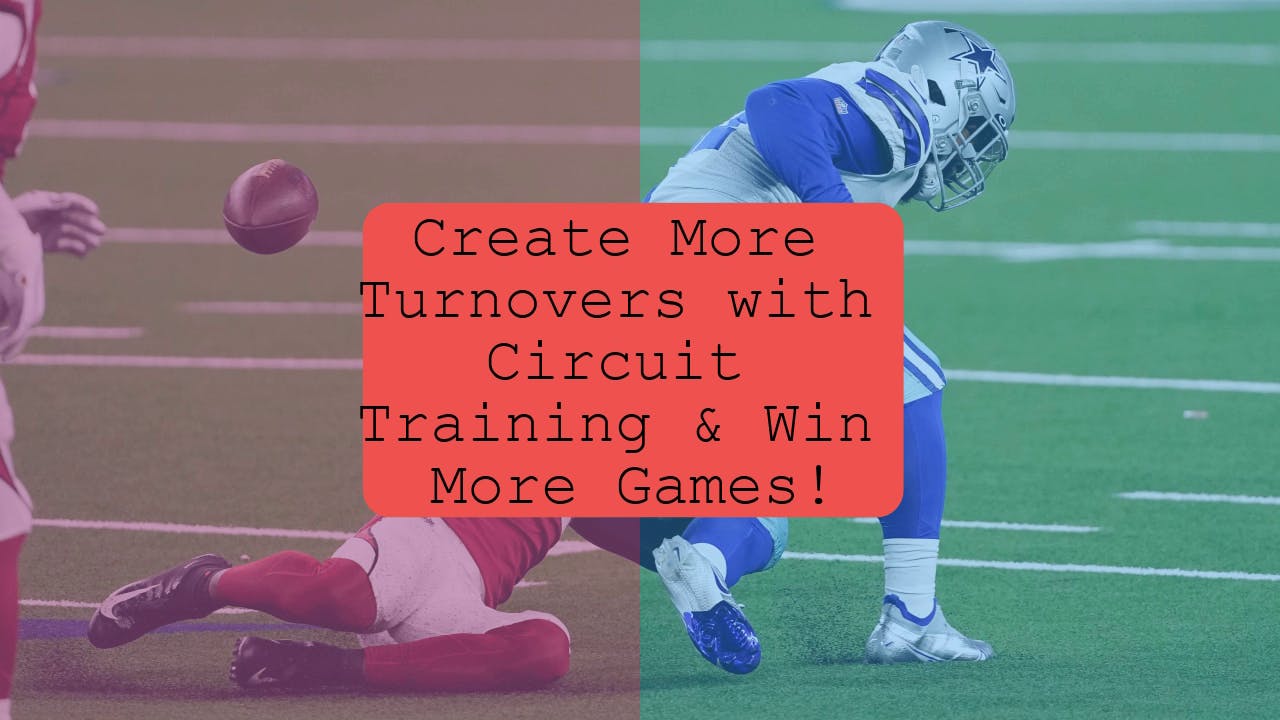
US Sports Football: Create More Turnovers with Circuit Training & Win More Games! And Notre Dame vs. Miami Game Highlights


  • By Keith Grabowski

It’s one of the simplest to understand stats…

Teams that win the turnover battle win 78% of the time. 

Understanding a number and translating that to performance is the challenge. 

Spending time training skills that have the ability to change the outcome of a game is smart coaching. So what’s the best way to do that?

Former Kansas DC DJ Eliot told me once that “player development is a race against time.”  We have to find ways to be more efficient and get reps on skills that matter most.

For the turnover skills and techniques, circuit training is an efficient way to get a lot done in a small amount of time.  

What may seem insignificant in terms of the amount done on a single day can add up exponentially and the cumulative effect of those reps will have an impact.

Two coaches doing that well shared their circuits in their clinic talks.

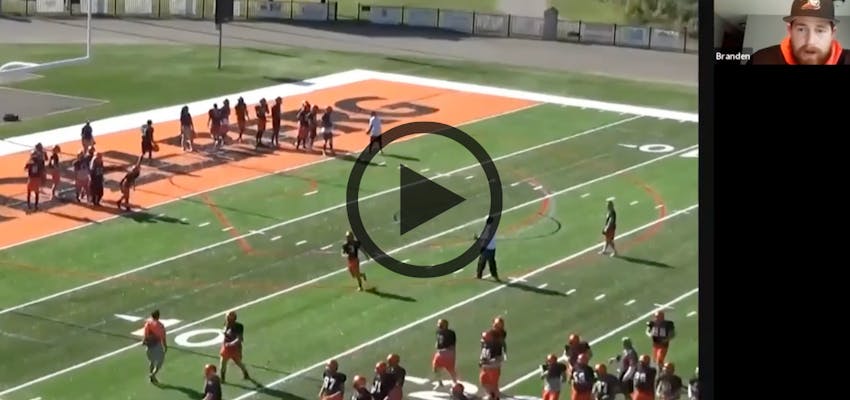
Heidelberg ranked as high as #11 in the country in turnover margin.  Defensive Coordinator Branden Jakubcin loves how turnovers can change the momentum of a game. He explains it here (click on images for video):

‘Berg spends time training those in their turnover circuit which includes drills for Level 1-2-3 of the defense:

Rip/Punch

Hammer Strip

Crash Pad Rip/Punch

Solo Fit Strip

2nd Man in-Punch and Rip

Scoop or Cradle

Scoop and Score

Downhill High/Low

Tip Drill

Here is an example of their Scoop and Score Drill

null

LSU defensive coordinator Daronte Jones reverse engineered the 6-points of contact to determine exactly how to attack the ball and get it out. This is something that they share with their players and chart daily. He shares their approach here:

Like Coach Jakubcin, Coach Jones utilizes circuits to train takeaways.  The “Rip” Drill  is part of one of his circuits and it goes back to teaching how to get the ball away from that carrier who is utilizing the 6 points of contact, in this case, the high and tight or two hands on the ball:

Coach Jones and Coach Jakubcin have spent a lot of time designing their circuits so that they can create the turnovers needed to help their teams win.

As you plan for camp and the season, think about what you can do to learn from their examples and apply circuit drills to train the fundamentals of taking the ball away.  Like the pictures Coach Jake showed, you will have a lot more smiling faces on game day, and more in the WIN column.

P.S. Get ready for camp with this Turnover Circuit Combo for just $15 (67% off) for Coach Jake’s and Coach Jones’s courses together. 

There are enough drills here to create multiple circuits which you can cycle through to keep the interest levels high.  The combo is available for a limited time, but the results of training your players will show up this fall.

NYSS Stay In The Game

Tuesday, September 2, 2025

US Sports Partner Spotlight: 1-800-Baskets

With an incredible selection of baskets, towers, and assorted gourmet good gifts, as well as a passion for uncompromising quality, value, artisanship and detailed presentation, 1800baskets.com is simply the best gift basket experience you'll have.
Free Shipping Sitewide on orders $59.99+ use code BASKETSFS
https://brandcycle.shop/84j30

US Sports Radio affiliate partner
http://www.USSportsRadio.net

US Sports Baseball: 3 Coaches Share the Keys to Running Baseball Practice the Right Way and (MLB)Highlights from ALL GAMES on 9/1!


  • By Grant Young

Creating efficient, effective baseball practice plans can be more difficult than it sounds.

There are many moving parts, and because all players need something specific and  specialized to what they’re working to improve, coaches can easily feel overwhelmed with ensuring that their program is making the most of their practice time. 

Thankfully, conducting a productive baseball practice can be easier than it sounds. The way to do so is by establishing a practice atmosphere where the players are excited to be there, and are eager to hone their skills and perform well on the field. And the best way to cultivate this type of practice environment boils down to one word: competition. 

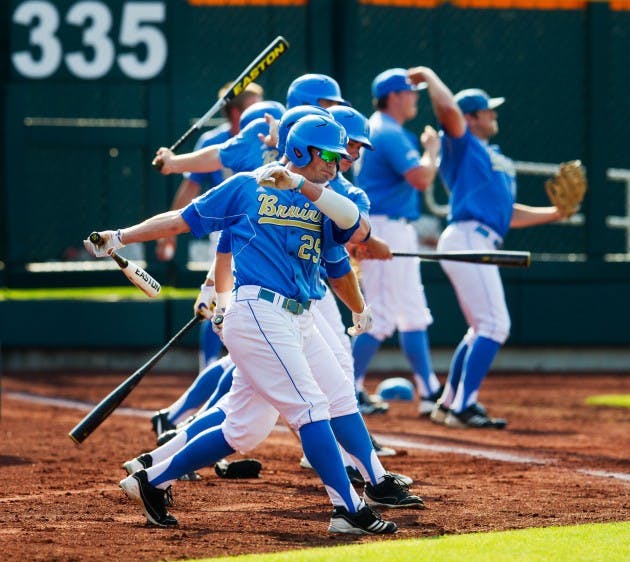
Jake Davis, Rich Maloney, and Craig Rainey are three high-level baseball coaches who have successfully created competitive practice environments, and are willing to share their methods to help baseball coaches run practice that prioritize winning.  

Jake Davis - 'High Intensity Practice: Why and How'

null

Before becoming head coach at Texas’ Ponder High School, Jake Davis created a dynasty during his seven-season tenure at Celina High School. His ball clubs were constantly winning their district championship, and proved to be an extremely difficult team to beat both at home and on the field. 

Coach Davis says this success boils down to the competitive, high intensity practices that he runs on a daily basis. 

When explaining why he prefers to run his practices this way, Coach Davis has ‘The Why’s’:

Sharing Athletes - Many high school baseball players also partake in other high school sports. And that doesn’t include actually going to school, doing homework, and maintaining a social life outside of the class. Since their time is stretched in so many different ways, these athletes perform best at a high intensity practice that doesn’t keep them for longer than necessary. 

It is a long day - Given everything that’s already on a high school athlete’s plate, it’s hard for them to focus on anything for longer than a few minutes. By the time they get to baseball practice, they’ve already had a very long day. A high intensity practice gets them engaged and eager to compete.

Maximize Time - Coach Davis believes kids will get more out of their practices by being fully present and active for a shorter amount of time, compared to standing around for two hours and feeling like they aren’t being productive or improving at the field.

Not a “Stand Around” Sport - Since his players won’t be at practice for a long time, Coach Davis wants his players to be active and doing something the entire time they’re at the field. Keeping them moving means they have no choice but to be present with the task at hand.

Ownership in the workout - Coach Davis delegates some practice tasks (such as stretching) to his seniors. This gives them the chance to be leaders, and makes them accountable for the focus level and intensity of each practice. 

Good for coaches too - Coaches have families they want to get to, and other lives off of the baseball field. Therefore, running a short but high intensity practice is beneficial for everyone. 

Coach Davis concludes by saying that his practice averages between 1 hour and 15 minutes to 1 hour and 20 minutes per day.

2. Rich Maloney - 'Infield Skills and Drills'

Rich Maloney has been the head coach of Ball State University since 2013. Since that time, he has turned Ball State into a perennial contender for the MAC Championship, Prior to coaching at Ball State, Coach Maloney served as the University of Michigan’s head coach. In his combined time at Michigan and Ball State, Coach Maloney has had 75 players selected in the MLB Draft. And he knows a thing or two about running an efficient practice. 

The main focus that Coach Maloney has when running his infield practices is that his players are working up to a high intensity. It’s important for his players to start their practice sessions off slowly, focusing on the fundamentals, players revert to the fundamentals that they worked on in practice during big game situations.

Yet, because Coach Maloney prefers to utilize basic drills, his players have been practicing some form of these drills since they were little kids. This repetition leads to a tendency for players to lose their focus and go through the motions, which will not help them improve. 

Coach Maloney bypasses this by keeping a high energy, high intensity practice environment that ensures his players must remain focused and engaged. By emphasizing repetition, Coach Maloney guarantees that his players will be prepared during the game’s most important moments. 

3. Craig Rainey - Making Practice Competitive to Compete in the Big Game

Craig Rainey has been the head coach of Adrian College’s baseball team for 31 seasons. During his legendary tenure, Coach Rainey has become a perennial contender in the Michigan Intercollegiate Athletic Association (MIAA), including winning eight tournament titles. 

A crucial component to Coach Rainey’s success is running his team’s practices as competitively as possible. One way he does this is by keeping score of everything. 

Coach Rainey explains that it doesn’t matter how you decide to keep score. All that matters is that whatever currency value you use matters to the players. For example, you could take away a piece of team-issued clothing at the start of season, and make players compete and earn that clothing as the season progresses. 

The reasoning for this is that, in a baseball game, the value within outcomes is obvious because it shows up on the scoreboard and in the standings. But in practice, successful performance isn’t always so clear. So Coach Rainey suggests implementing a value system, to make players understand that there are benefits to practicing the right way.

 If you utilize any or all of these practice techniques to foster a competitive, high intensity environment to your baseball practices on a daily basis, you can expect success to follow.

NYSS Find Their Strengths

Monday, September 1, 2025

US Sports Martial Arts: The Lifelong Benefits of Martial Arts Training and ONE Friday Fights 122 Highlights


  • Author Jim Lowell

Martial arts has existed for centuries, transcending borders, cultures, and generations. From the ancient disciplines of Kung Fu and Karate to modern practices like Brazilian Jiu-Jitsu and Krav Maga, martial arts remains one of the most enduring and beneficial forms of physical and mental training. Its appeal is universal—whether you're a child just starting to find your place in the world or an adult seeking personal growth, fitness, or stress relief, martial arts offers something for everyone.

This article will help you explore the broad spectrum of benefits martial arts provides to both young students and adults, demonstrating why it continues to be a popular and life-enriching activity worldwide.

Benefits for Young Students:

  1. Discipline and Focus

Children today face an increasing number of distractions, from digital devices to social media. Martial arts instills discipline and concentration by teaching students to stay present, follow instructions, and maintain focus during practice. Techniques must be performed with precision, and classes often begin and end with rituals such as bowing or meditation, reinforcing respect and mindfulness.

  1. Confidence Building

Many children struggle with self-esteem issues, particularly during their formative years. Martial arts provides structured progression—through belts, stripes, or certificates—that allows students to set goals and achieve them. Each milestone reached builds confidence. Over time, even the most timid student can develop a sense of self-assurance, knowing they are capable of mastering challenging skills.

  1. Physical Fitness and Health

Unlike traditional sports that may focus on a single aspect of fitness, martial arts offers a full-body workout. Young students develop strength, flexibility, endurance, and balance. Regular practice promotes cardiovascular health and helps prevent childhood obesity. It also establishes lifelong habits of movement and physical well-being.

  1. Conflict Resolution and Anti-Bullying Skills

One of the greatest misconceptions about martial arts is that it promotes violence. In reality, it teaches the opposite. Martial arts emphasizes self-control, humility, and peaceful conflict resolution. Many dojos teach children to use verbal assertiveness before physical defense, empowering them to handle bullying situations with confidence and maturity.

  1. Social Development

Martial arts classes create a sense of community. Young students learn to work with partners, respect their instructors, and encourage their classmates. This environment fosters teamwork, empathy, and friendship, helping children develop important social skills that extend beyond the dojo.

Benefits for Adults:

  1. Stress Relief and Mental Health

The demands of adult life—work stress, family responsibilities, financial pressures—can take a toll on mental health. Martial arts offers a productive outlet for stress. The practice requires focus and presence, often leading to a meditative state similar to mindfulness training. The release of endorphins during exercise also combats anxiety and depression, providing emotional balance.

  1. Improved Physical Fitness at Any Age

For adults, staying active becomes increasingly important to maintain health and prevent issues like heart disease, diabetes, and joint problems. Martial arts is a versatile workout that builds strength, improves cardiovascular health, enhances flexibility, and aids in weight management. Unlike repetitive gym routines, martial arts keep the body and mind engaged, making exercise enjoyable rather than a chore.

  1. Personal Empowerment and Self-Defense

Self-defense is one of the primary reasons many adults begin martial arts. The ability to protect oneself or loved ones can be life-changing. Martial arts teaches practical defensive techniques while also cultivating situational awareness and de-escalation strategies. This combination of physical skill and mental readiness fosters a sense of personal empowerment.

  1. Lifelong Learning and Personal Growth

Adults often face personal ruts or periods of stagnation. Martial arts offers a structured path of lifelong learning, whether starting as a complete beginner or returning after a long break. There’s always a new technique to master, a form to refine, or a skill to improve. This constant growth reinforces resilience, patience, and the humility to remain a student regardless of age.

  1. Community and Camaraderie

Martial arts schools are often tight-knit communities. Adults form bonds with their instructors and classmates, creating friendships that go beyond the dojo. This social connection can be particularly valuable for those seeking new relationships outside of work or family circles.

A Shared Experience

One of the most unique aspects of martial arts is that it allows individuals of all ages to train side by side. Parents can practice alongside their children, couples can attend classes together, and seniors can continue training well into their later years. This inter generational experience is rare in modern fitness activities and fosters mutual respect between age groups.

Families that train together often report deeper bonds and shared goals. Children see their parents persevering through challenges, modeling resilience and commitment. Adults witness the enthusiasm and adaptability of younger students, keeping their own mindset youthful and open to growth.

Conclusion: More Than Just Kicks and Punches

Martial arts is not simply about physical techniques; it’s a lifestyle that cultivates discipline, respect, perseverance, and balance. For young students, it lays the foundation for confidence, physical health, and social development. For adults, it provides stress relief, fitness, personal empowerment, and a path to lifelong learning.

In a world that often promotes instant gratification and digital detachment, martial arts remains a grounding practice. It teaches patience in progress, respect for others, and mastery of both body and mind. Whether you're a parent enrolling a child, an adult seeking a new challenge, or a senior looking for a way to stay active and engaged, martial arts offers benefits that last a lifetime.

Consider visiting a local martial arts school like https://lsmactx.com, attending a trial class, or simply watching a session. You might discover a practice that transforms not just your body, but your entire outlook on life.

NYSS Every Kid In the Game