Now Streaming On US Sports Radio!

US Sports Net Today!


Live Play-by-Play, Updates, Highlights and More! on US Sports Network!
[Chrome Users-You may have to click on the play button twice to listen]
US Sports Network Powered By Gorilla Sports!


US Sports Radio
The Las Vegas Raiders Play Here
Fitness and Sports Performance Info You Can Use!
The Scoreboard Mall
The Rock Almighty Shaker Of Heaven And Earth!
The Coolest Links In The Universe!
Showing posts with label Baseball player baseball coach NCAA Baseball 2025 2026 Baseball recruiting High School Baseball MLB Baseball draft prospect. Show all posts

Monday, October 27, 2025

US Sports Baseball: Three Priceless Philosophies to Motivate Your Baseball Team and Dodgers vs Blue Jays WS Highlights


Baseball is often described as a sport that is rooted in failure. Even the best hitters fail to get a hit more often than not, and pitchers inevitably give up hits and runs. In fact, a .300 batting average, which means a player gets a hit 30% of the time, is considered excellent. This emphasis on dealing with failure is unique to baseball and requires players to develop resilience, a short memory, and mental toughness. Learning to cope with failure is a fundamental aspect of excelling in baseball and is a valuable life lesson that the sport imparts to its participants.

And because this isn’t easy to do — especially for youth baseball players, who don’t even have fully developed brains — playing baseball requires a great deal of mental strength. In addition to it being rooted in failure, the game can be mentally challenging due to its slow pace and the need to stay focused for long periods. Players need to be able to handle the pressure of performing in high-stakes situations and bouncing back from failure. 

Additionally, they must be able to stay disciplined and maintain their focus throughout the entirety of the game, even when they are not directly involved in every play. Developing mental toughness is essential for success in baseball, and it can have a significant impact on a player's performance on the field.

And if there’s one person who knows how to develop mental toughness among youth and college baseball players, it’s Bob Morgan. 

Coach Morgan is the former head baseball coach at Indiana University, where he directed Indiana’s baseball program for 22 seasons. Morgan led his teams during his career to a 1,070-586-6 (.646) record, making him one of 30 NCAA Division I baseball coaches in history with 1,000 career victories. In addition to serving as IU’s head coach, Morgan also worked as a professional pitcher for the Detroit Tigers. 

Coach Morgan knows that getting athletes to consistently play to the best of their abilities is one of the fundamental goals of baseball coaches at all competitive levels. That’s why his ‘Motivate Your Team With These Philosophies’ course points out 3 different types of motivation, details how individuals can set and attain their goals, and also reviews the 7 principles that are essential to success in life. 

Don’t Let Fear Control You

The first lesson Coach Morgan wants to instill in each of his players is about motivation. He defines motivation as, “Things that make us do the things we do. Fuel that enhances people’s performance. Stimulation that puts people in action.”

He notes that people show up to the baseball field for endless different reasons. But the most important point is that they showed up to the field for some reason, regardless of what that is. That’s a person’s motivation. 

From there, Coach Morgan notes how fear is the biggest and most common motivation for all people, not just baseball players. He then claims that the word FEAR is actually an acronym: False Evidence Appears Real. His point with this is that because everybody deals with fear in one fashion or another in some facet of their lives, it’s up to people to harness that fear and turn it into a motivator rather than let it consume them and cause self-doubt.  

“Fear is like fire,” Coach Morgan says. “If you control it, you can heat a house with it, and you can cook with it. If you don’t control, you can burn a house down.” 

To control and learn to use that fear as motivation, a player must recognize it and see it for what it is. 

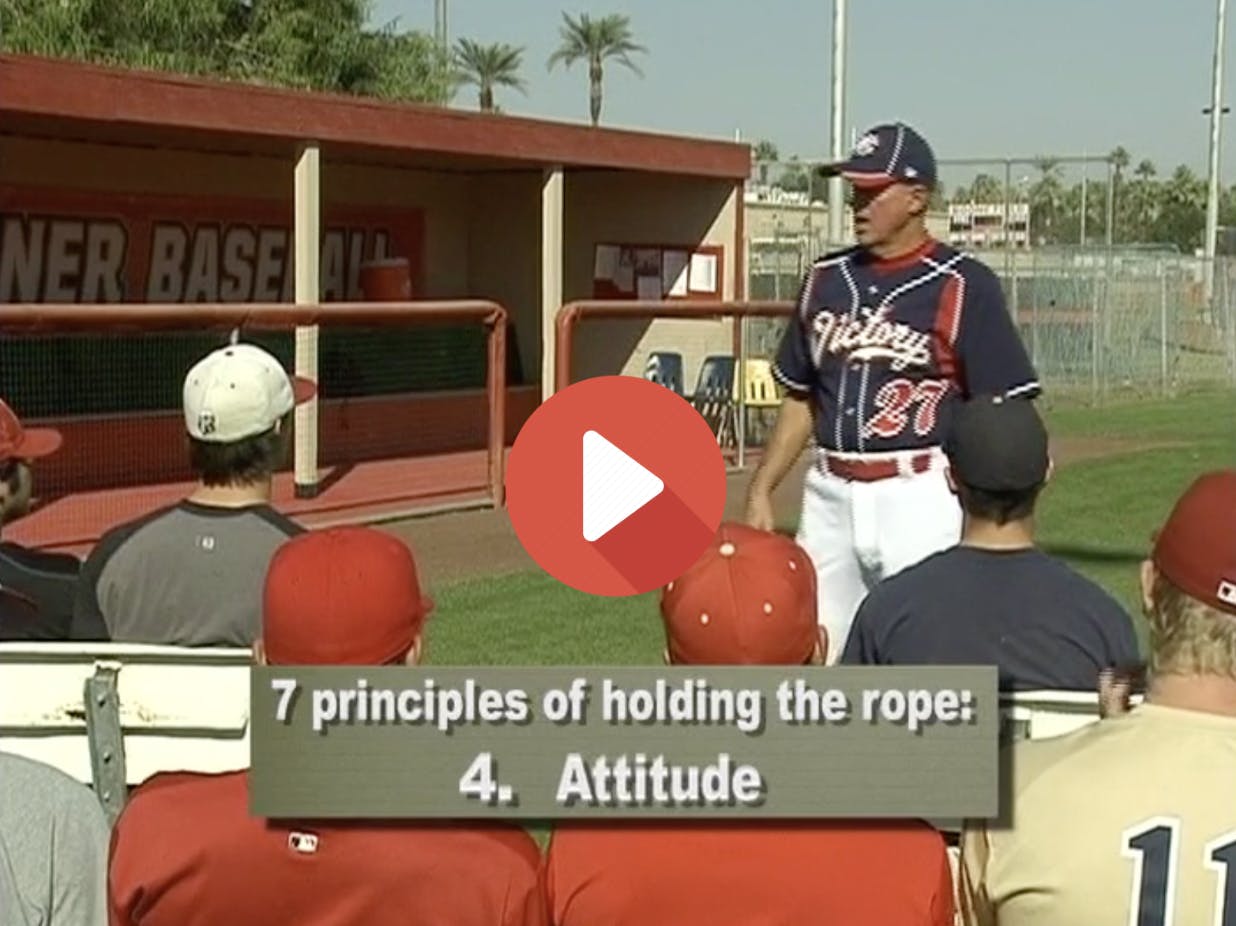
Attitude
null

Coach Morgan notes that the easiest thing in the world to do is be negative. But if someone has a good attitude and works hard, they are going to be successful in life, no matter what they pursue. 

This is an especially important approach in baseball because, as we’ve mentioned before, baseball is so rooted in failure that keeping a positive attitude can be exceedingly difficult a lot of the time. Especially when a player is in the midst of a slump or can’t seem to throw a strike to save their lives, employing a negative mindset can quickly become the default. 

In addition to this, improving and developing in baseball comes down to being okay with doing minute, seemingly trivial actions daily. Players who get bored of this begin to go through the motions, which is when their progress stagnates. But players who are optimistic about getting to do what they love, and eager to improve themselves are the ones who are going to put the best effort forth — and therefore get the most out of that effort when the game begins. 

Care About Winning

“It’s amazing what a group can accomplish when nobody cares about who gets the credit,” Coach Morgan says. 

When Coach Morgan talks about caring to win, that doesn’t mean the attitude should be winning at all costs, and every time there’s a loss it should be viewed as a complete failure. There are going to be losses in baseball, and there are important lessons and takeaways that can be gleaned from those losses. But his point is that all players should be striving to win first and foremost, regardless of their results or impact. 

And it isn’t enough to just show up to the field and want to win. There has to be attention to detail with the entire process of what it takes to win (communicating on the field, throwing strikes, putting the ball into play with two strikes, etc.) that winning is the outcome of all that hard work rather than something players and teams are just blindly striving for. 


Friday, October 10, 2025

US Sports Baseball: Three Ways to Perfect Hitting Mechanics From an MLB Icon.

MLB`s Gary Gaetti Hitting Course
  • By Grant Young

Learning to produce solid, consistent hitting mechanics in baseball might be one of the toughest things to do in any sport. 

Not only does a successful swing demand perfect timing, hand-eye coordination, and body mechanics but the hitter must synthesize a complex series of movements in a split second to make solid contact with the ball. Not to mention how factors such as pitch speed, movement, and location further complicate the task. Additionally, hitters must constantly adjust their mechanics to adapt to different pitchers and pitch types. 

And because there is so much nuance to a swing that many coaches who haven’t played the game at a high level can struggle to comprehend, it's easy to develop bad habits with a swing without adequate baseball hitting instruction

Without proper guidance and attention to detail, hitters can easily fall into patterns that hinder their performance such as lunging, casting the hands, or an inconsistent stride. Plus, given how predicated modern baseball is on hitting home runs, the natural desire to overpower the ball can lead to a breakdown in mechanics, resulting in poor habits for youth baseball players. Over time, these bad habits can become deeply ingrained, making them difficult to correct. 

It's crucial for players to receive regular coaching and feedback to prevent the development of detrimental swing habits. And who better for these lessons to come from than a former MLB player? 

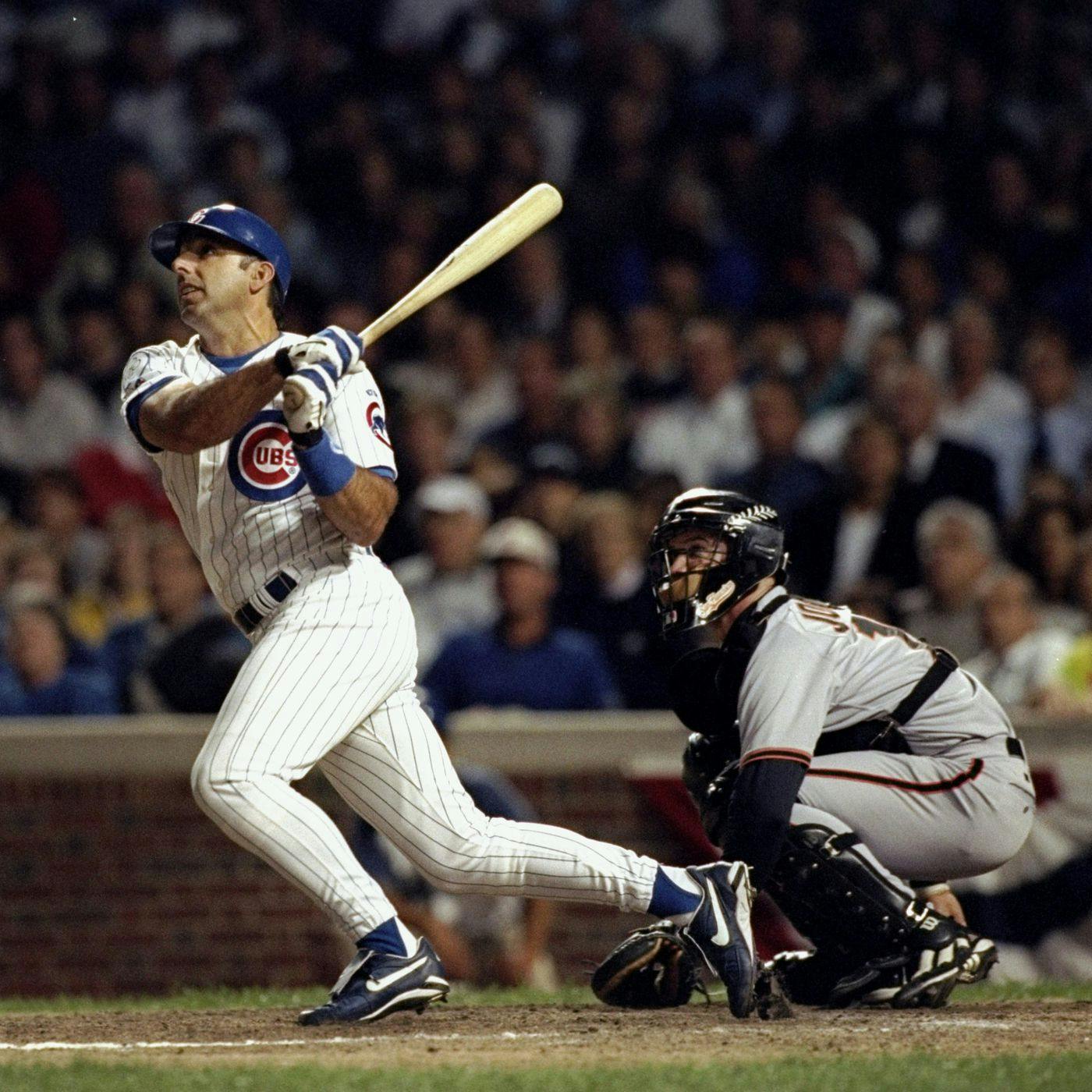
Gary Joseph Gaetti, is an American former third baseman in Major League Baseball for the Minnesota Twins, California Angels, Kansas City Royals, St. Louis Cardinals, Chicago Cubs, and Boston Red Sox. He won the 1987 MLB World Series with the Minnesota Twins and was the 1987 ALCS (American League Championship Series) MVP. Across his career, Coach Gaetti won the 1995 Silver Slugger Award, was a four-time Gold Glove Award winner, and was inducted into the Minnesota Twins Hall of Fame when his career ended. 

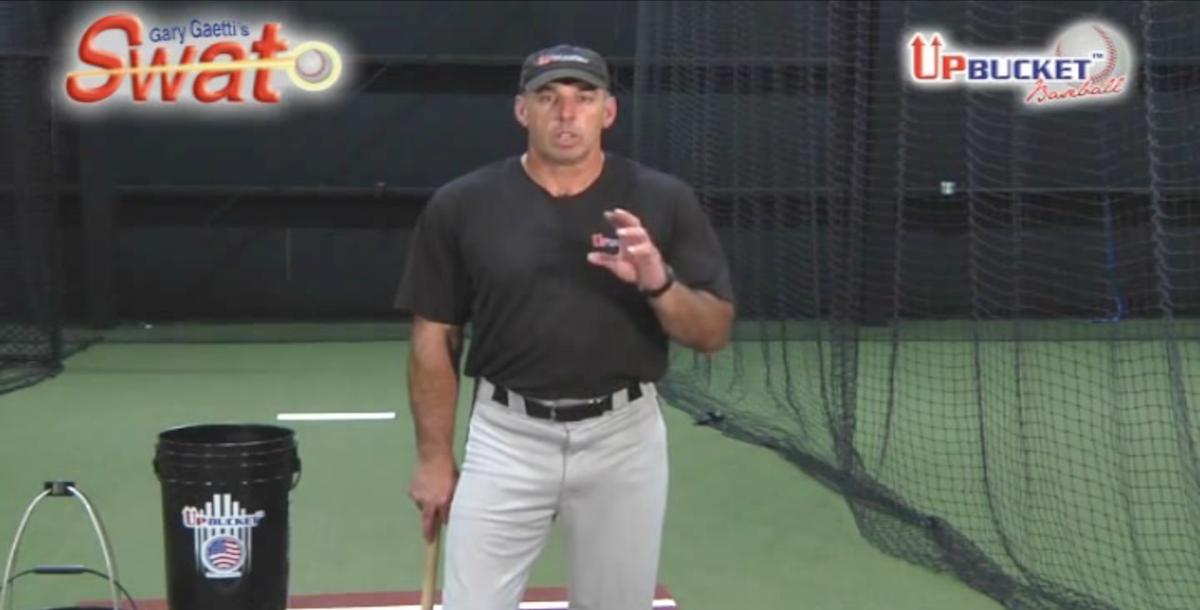
Coach Gaetti’s ‘MLB`s Gary Gaetti Hitting Course’ shows the secrets to how he became one of baseball’s elite hitters during his playing days. He lays out a comprehensive, easy-to-follow hitting success blueprint that will help any player or coach learn the correct mechanics at the plate and unlock their team’s batting average. 

Bat Toss Drill

One of Coach Gaetti’s most effective drills that he used throughout his professional baseball career is what he calls the Bat Toss Drill. 

This drill has two purposes:

1. Teaches hitters the predominant feel they need to have, in regard to their bat’s barrel. 

2. Helps hitters to reach where their true, natural launch position will be when swinging.

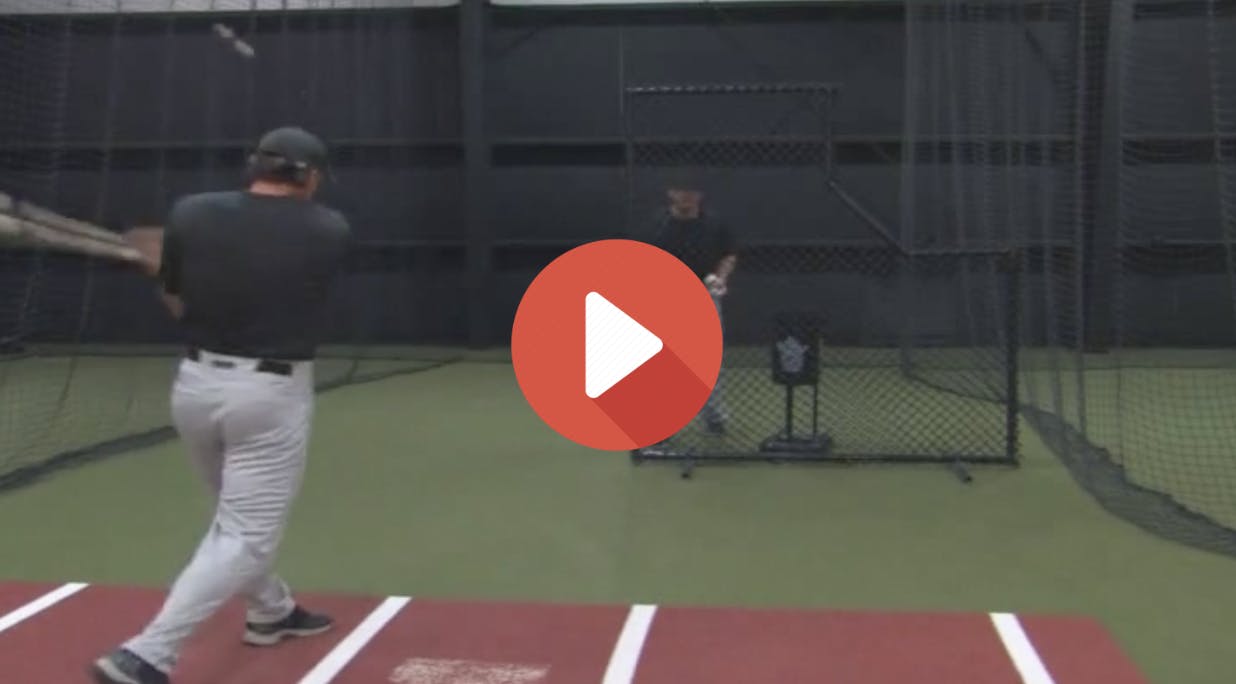
For this drill, a player will grab a bat and come up to a net (ideally one that’s in a batting cage). They’ll stand about a foot away from the net and mirror the start of their swing, simulating making contact. When reaching this point, the player should be making sure their bat stays flat, parallel with the net. 

From there, the hitter will return to their batting stance and remove their bottom hand from the bat. They will then simulate their swing and let go of the bat (essentially throwing it) at the point where they would be making contact. 

This drill is great for coaches because it highlights common mechanical issues for players, such as realizing they can’t throw the bat properly if their elbow is too raised or their hands too close to their head because it’s such an unnatural movement. And to do so, they’ll fly their front shoulder open, which is a common mechanical mistake. 

They also might move their hands back in their stance to generate more force for their push. If either of these things occurs during this drill, it’s a signal that a stance adjustment may be necessary. 

Soft Toss

Every coach knows that soft toss is an integral aspect of developing a smooth, consistent hitting swing. But Coach Gaetti conveys what a coach should be looking for when doing these drills to ensure that players are getting the most out of them. 

“Most soft toss, I like [the tosser] at a 45-degree angle, not too close, and a nice firm toss near the front side [of the hip],” Coach Gaetti said. 

He then explains that the more realistic you can make the pitch, the more effective it’s going to be for a hitter’s development. That’s why he stresses a nice firm toss without a lot of arc because that doesn’t resemble something a hitter will see in a game. 

And a hitter will never see the ball coming at them from the other batter’s box. So soft toss should either be done directly in front of the hitter (with a net or L-screen) or off to the side, at a 45-degree angle. 

The Tomahawk Drill

null

Coach Gaetti loves using the Tomahawk Drill when hitters aren’t using their top hands, their hands look sluggish, or their barrel isn’t getting to the ball on time. 

In doing this drill, Coach Gaetti wants his hitters to feel like they’re hitting a line drive to the third baseman. But the pitch (this is a front toss drill) is going to be high and outside, which is not ideal for pulling the ball. While this isn’t a good strategy in a game, this is going to force quick and decisive hand action from the hitter in order to pull this type of pitch. 

To be clear, this isn’t a hitting strategy that should be used in a game. But it’s a great mechanical adjustment when a hitter’s hands have been slow to react. 

                           NYSS Twitter Focus on Fun

Wednesday, September 24, 2025

US Sports Baseball: Three Baseball Offseason Strength and Conditioning Essentials and Dodgers @ Diamondbacks Highlights


  • By Grant Young

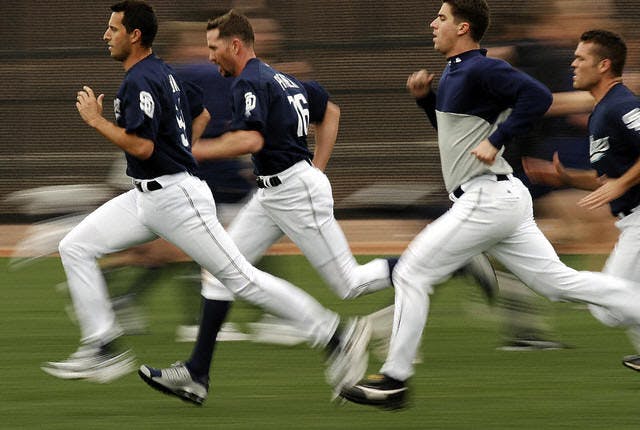
All baseball coaches recognize the undeniable importance of strength and conditioning during the offseason, as it’s a crucial opportunity for athletes to enhance their physical readiness, improve endurance, and minimize injury risks as they gear up for the demanding season ahead. 

However, many coaches lack a clear understanding of which techniques and exercises should be prioritized at this point in the season. While traditional strength training, like weightlifting, is commonly emphasized, it’s vital to go beyond these basics. 

Coaches should focus on sport-specific conditioning that targets the unique requirements of baseball. This involves integrating dynamic exercises such as medicine ball drills, plyometrics, and rotational movements to mirror the actual actions performed during games. 

Moreover, a comprehensive approach that includes recovery strategies and mobility work is essential for sustaining athletes’ capabilities and preventing injuries. Many coaches may underestimate the impact of incorporating yoga, dynamic stretching, and proper nutrition into their training programs. These elements not only enhance performance but also support players’ overall health throughout the season. 

While all baseball coaches recognize and appreciate the significance of strength and conditioning during the offseason, bridging the gap in understanding which techniques to prioritize is crucial. By embracing a tailored, well-rounded training program, coaches can equip their players with the tools they need to excel on the field and ensure a successful, injury-free season.

This is why we’ve selected three offseason strength and conditioning exercises and techniques that high-level coaches and trainers swear by to help your team get right before Opening Day.

DJ Edwards - Proper Baseball Conditioning

DJ Edwards is the Owner and Director of Push Performance. He played college baseball at Metro State University and has his Performance Enhancement Specialist and the United States Weight Lifting Certification. 

Coach Edwards has developed many programs for a wide range of elite athletes. He uses his knowledge in corrective exercise, flexibility limitations, and biomechanics to develop personalized programs for each client. He has worked with over 100 baseball players at all levels in this program. 

Coach Edwards’ ‘Strength and Conditioning for Baseball Players’ course details what he considers the perfect conditioning practices for baseball players at any age and skill level. 

Coach Edwards recommends two to three minutes of medicine ball work in any strength training program. These can be utilizing different planes of motion and arm angles that activate the many different arm muscles. Some examples of this can be medicine ball throws into a wall, overhead slams, or shotput tosses. The key with these is to prioritize both arms instead of just the throwing arm.

When it comes to conditioning, Coach Edwards explains that sprint intervals are a great way to simulate running the bases. More so, tempo runs (a jog into a sprint and back into a jog, or something similar) are another great way to mimic the cardiovascular demands that baseball requires. 

A sprint interval example will be placing cones 50 yards out and have players sprint 10 yards. They then walk back to the starting point, sprint 30 yards, walk back, then sprint through the full 50 yards before taking a brief rest. 

Nathan Hemphill - Velocity Gain in the Weight Room (Pitchers)

null

Nathan Hemphill began studying strength and conditioning during his undergraduate studies at Missouri State University in 2006. There, Coach Hemphill actively contributed to the strength and conditioning department, assisting in program implementation across all sports teams. 

Summers were spent overseeing the strength and conditioning program for the St. Louis Cardinals, working with their AA Springfield team in 2008 and the Rookie Johnson City team in 2009. Driven by a passion to impart high-level athletic knowledge to younger athletes, he founded PSP3 (Premier Sports Performance) in March 2014. 

In his ‘Strength & Conditioning for the High School Athlete’ course, Coach Hemphill details the precise steps he’d take to improve pitcher velocities. 

He says that the most obvious way to do this to get stronger is by being consistent in the weight room. But the key is to know that at a certain point of strength and flexibility, there is to way to keep increasing velocity. In other words, a pitcher’s velocity will eventually plateau, regardless of how flexible they are or how heavy they can squat. 

This is why Coach Hemphill emphasizes balancing out strength and flexibility to minimize injury risk. This will allow players to continue building and maintaining their strength and flexibility while remaining healthy enough to improve their mechanics on the mound, which is the next best way to improve velocity. 

Steve Zawrotny - Romanian Dead Lift

Steve Zawrotny is one of just a handful of individuals with experience as an NCAA Div 1 pitcher and coach with the CSCS credential. His training programs - designed specifically for baseball and softball players - combine solid clinical research and Steve's 30 years of playing, coaching, & training.

He's a certified Strength & Conditioning Specialist (CSCS) with the National Strength and Conditioning Association (NSCA) and has a B.S. in Physical Education from BYU.

Coach Zawrotny’s ‘Arm and Bat Speed Training’ course details the Romanian dead lift (RDL), which is inarguably one of the best exercises a baseball player can employ during the offseason.

The RDL is a strength exercise that focuses on the hamstrings, glutes, and lower back. Improving posterior chain strength and flexibility enhances power and stability during baseball movements like hitting and throwing is another benefit to RDLs. 

Coach Zawrotny explains that this exercise helps prevent injuries by promoting proper lifting mechanics and developing core strength, which is essential for all baseball players, regardless of position. Plus an RDL can be done with minimal added weight, which decreases the risk of injury.

NYSS Stay In The Game

Tuesday, September 2, 2025

US Sports Baseball: 3 Coaches Share the Keys to Running Baseball Practice the Right Way and (MLB)Highlights from ALL GAMES on 9/1!


  • By Grant Young

Creating efficient, effective baseball practice plans can be more difficult than it sounds.

There are many moving parts, and because all players need something specific and  specialized to what they’re working to improve, coaches can easily feel overwhelmed with ensuring that their program is making the most of their practice time. 

Thankfully, conducting a productive baseball practice can be easier than it sounds. The way to do so is by establishing a practice atmosphere where the players are excited to be there, and are eager to hone their skills and perform well on the field. And the best way to cultivate this type of practice environment boils down to one word: competition. 

Jake Davis, Rich Maloney, and Craig Rainey are three high-level baseball coaches who have successfully created competitive practice environments, and are willing to share their methods to help baseball coaches run practice that prioritize winning.  

Jake Davis - 'High Intensity Practice: Why and How'

null

Before becoming head coach at Texas’ Ponder High School, Jake Davis created a dynasty during his seven-season tenure at Celina High School. His ball clubs were constantly winning their district championship, and proved to be an extremely difficult team to beat both at home and on the field. 

Coach Davis says this success boils down to the competitive, high intensity practices that he runs on a daily basis. 

When explaining why he prefers to run his practices this way, Coach Davis has ‘The Why’s’:

Sharing Athletes - Many high school baseball players also partake in other high school sports. And that doesn’t include actually going to school, doing homework, and maintaining a social life outside of the class. Since their time is stretched in so many different ways, these athletes perform best at a high intensity practice that doesn’t keep them for longer than necessary. 

It is a long day - Given everything that’s already on a high school athlete’s plate, it’s hard for them to focus on anything for longer than a few minutes. By the time they get to baseball practice, they’ve already had a very long day. A high intensity practice gets them engaged and eager to compete.

Maximize Time - Coach Davis believes kids will get more out of their practices by being fully present and active for a shorter amount of time, compared to standing around for two hours and feeling like they aren’t being productive or improving at the field.

Not a “Stand Around” Sport - Since his players won’t be at practice for a long time, Coach Davis wants his players to be active and doing something the entire time they’re at the field. Keeping them moving means they have no choice but to be present with the task at hand.

Ownership in the workout - Coach Davis delegates some practice tasks (such as stretching) to his seniors. This gives them the chance to be leaders, and makes them accountable for the focus level and intensity of each practice. 

Good for coaches too - Coaches have families they want to get to, and other lives off of the baseball field. Therefore, running a short but high intensity practice is beneficial for everyone. 

Coach Davis concludes by saying that his practice averages between 1 hour and 15 minutes to 1 hour and 20 minutes per day.

2. Rich Maloney - 'Infield Skills and Drills'

Rich Maloney has been the head coach of Ball State University since 2013. Since that time, he has turned Ball State into a perennial contender for the MAC Championship, Prior to coaching at Ball State, Coach Maloney served as the University of Michigan’s head coach. In his combined time at Michigan and Ball State, Coach Maloney has had 75 players selected in the MLB Draft. And he knows a thing or two about running an efficient practice. 

The main focus that Coach Maloney has when running his infield practices is that his players are working up to a high intensity. It’s important for his players to start their practice sessions off slowly, focusing on the fundamentals, players revert to the fundamentals that they worked on in practice during big game situations.

Yet, because Coach Maloney prefers to utilize basic drills, his players have been practicing some form of these drills since they were little kids. This repetition leads to a tendency for players to lose their focus and go through the motions, which will not help them improve. 

Coach Maloney bypasses this by keeping a high energy, high intensity practice environment that ensures his players must remain focused and engaged. By emphasizing repetition, Coach Maloney guarantees that his players will be prepared during the game’s most important moments. 

3. Craig Rainey - Making Practice Competitive to Compete in the Big Game

Craig Rainey has been the head coach of Adrian College’s baseball team for 31 seasons. During his legendary tenure, Coach Rainey has become a perennial contender in the Michigan Intercollegiate Athletic Association (MIAA), including winning eight tournament titles. 

A crucial component to Coach Rainey’s success is running his team’s practices as competitively as possible. One way he does this is by keeping score of everything. 

Coach Rainey explains that it doesn’t matter how you decide to keep score. All that matters is that whatever currency value you use matters to the players. For example, you could take away a piece of team-issued clothing at the start of season, and make players compete and earn that clothing as the season progresses. 

The reasoning for this is that, in a baseball game, the value within outcomes is obvious because it shows up on the scoreboard and in the standings. But in practice, successful performance isn’t always so clear. So Coach Rainey suggests implementing a value system, to make players understand that there are benefits to practicing the right way.

 If you utilize any or all of these practice techniques to foster a competitive, high intensity environment to your baseball practices on a daily basis, you can expect success to follow.

NYSS Find Their Strengths

Saturday, August 2, 2025

Become a Master at Bunting and MLB Highlights from ALL games on 8/1! US Sports Baseball


  • By Brandon Ogle

Former college baseball coach Billy Godwin showed the importance of bunting when he said, “I think it’s about creating pressure. When you can get a bunt down in a good situation in the right location against a team defensively, now you’ve created where the team’s got to make that throw.” Bunting isn’t always going to be a success, but it is creating a situation where the defense has to make a play. However, players need to know the fundamentals that will make this process more effective.

Step-by-Step Technique Guide

( Free video lesson from 'The Complete Guide to Hitting for Beginners' by Coach Billy Hall)

In a game that can often be decided by one run, being able to bunt can be a lifesaver. In this section, I’ll provide you with a beginner’s guide on how to bunt properly. While developing your ability to bunt consistently depends on practice, just mastering the technique can take you a long way.

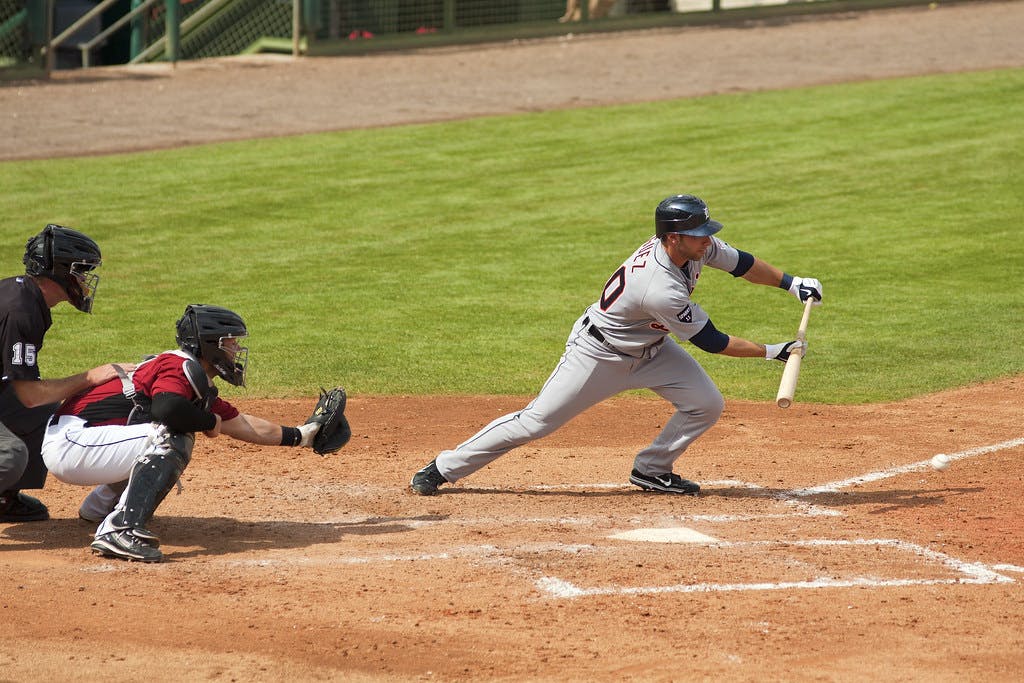
Once you step up to the plate, you don’t want to give away your intentions too early, so make it look like a normal at-bat. Then, as the pitchers enters his windup, prepare to bunt. The hand placement will involve the left-hand being moved up slightly and the right-hand up towards the middle of the bat. Make sure to keep you’re right-hand on the backside of the bat to avoid a ball clipping your fingers. This placement is for right-handed hitters, but with lefties it would be the direct opposite.

Finally, as the pitch comes in, let the ball hit the bat and angle it to the direction you intend. The key is to not try to swing at the ball in bunting form. This will not get the job done!

Bunting for a Hit

If your bunting ability is good enough and you have the speed to get down the line quickly, then you’ll always have the possibility of bunting for a hit available to you. It can be a deadly weapon as it will affect how pitchers throw to you and where the infielders position themselves on the infield. If you intend to bunt for a base hit, then you can either pursue a drag bunt or a push bunt.

A drag bunt is one that is hit down the third base line. If a righty is on the mound, then usually he’ll fall off more towards the 1st base line. This leaves the third baseman as the main guy you’ll need to worry about. If you see him or her playing in a standard or deep position, then it’s a good set-up for a drag. Meanwhile, a push bunt is hit towards the second or first baseman. This is the recommended strategy for when a lefty is pitching due to the fact that they’ll fall off towards the 3rd base line.

If you see the first baseman anticipating a bunt, then try to bunt it hard enough to beat the pitcher, but not hard enough to reach the second baseman. With the first baseman off his line, there will be no one to cover the bag. These are just a few scenarios in which players could turn a bunt into a hit.

Sacrifice Bunt

A sacrifice bunt is relatively simple, but nonetheless requires technique. This is where a player bunts to essentially give up their out and advance the runner who is already on base. However, this doesn’t mean you can just bunt wherever. Failure to accurately execute the bunt can lead to the defense getting the lead runner out, rather than yourself at first base.

In terms of effectively laying down a sacrifice, you need the ability to utilize the bat to aim the ball where you want it to go. If that means the third base line, then hit a short bunt that stays fair, but not hard enough to reach the third baseman in time to throw to second. Essentially, at the heart of a sacrifice bunt is technique.

When Does Bunting Make Sense?

When should you bunt? Some critics argue that bunting never makes sense. After all, some of the time it just gives away an out for free. While I used to think this was true, after watching the Kansas City Royals make a run to the 2014 World Series, I realized salvaging one run can be the difference in any given game. One time I think bunting makes perfect sense is when you’re facing a dominant pitcher. Say this pitcher has already shut your team out for four innings and shows no signs of slowing down. With the infielders back, this could be the perfect time to lay one down for a hit. It could not only result in a base runner, but also help disrupt the pitcher’s rhythm. They’ll be forced to throw out of the stretch then as opposed to a traditional wind up.

Similarly, imagine your team being down one run in the bottom of the ninth. The first guy gets on. With you at-bat, wouldn’t it make sense to move that runner into scoring position with a sacrifice bunt? This could bring the winning run to the plate with a runner on 2nd.

Finally, a bunt might make sense if you’re just having a bad day at the dish. If you’re struggling to make contact, this might be the perfect time to bunt one and just give full-out hustle to get a base knock. These are just a few of many situations where it might make sense, but show bunting isn’t always a waste.

Players Who Should Never Bunt?

While I have shown that bunting can help a team win games, that doesn’t mean every player should go out there bunting. Even though some may assume that fast players should regularly bunt and slow players should never bunt, this perception is not always accurate.

First off, it depends on the defense. If the defense is positioned in a cautious set-up, a bunt may be a possibility for any player if executed properly. With this said, my main reason why you shouldn’t agree with that perception is because I believe that elite hitters should never bunt. Some may attribute this to ego, but if you have a guy like Mike Trout at the plate, I’m not afraid to admit that I’d rather have him swing the bat than move a run into scoring position.

It is a simple risk vs. reward measurement. Some may argue everyone should be a potential option for bunting, but I don’t believe that is always the case.

Utilize Batting Practice

The only way to get good at something is through practice. Once you’ve got the technique down (which, honestly, isn’t that complex), you’ve got to work on being able to bunt to different areas. Whether it be a drag, push, or sacrifice, all of these take time practicing. So, when you’re in the batting cage taking some swings before the game, use about five of those pitches to practice bunting. It’s better to miss on a couple during practice than foul one straight up during a game.

Don’t Hesitate

Most baseball people I’ve talked with have said the important thing about bunting revolves on this idea of not hesitating. While deception dominates the early stages of the at-bat, once you square around and the pitch is in the zone, you must execute the bunt. You don’t want to get nervous once the pitch is thrown and lunge at the ball, thus resulting in a failed bunt. Utilize the technique given and accomplish the task at hand!

NYSS FB Be A Role Model