Now Streaming On US Sports Radio!

US Sports Net Today!


Live Play-by-Play, Updates, Highlights and More! on US Sports Network!
[Chrome Users-You may have to click on the play button twice to listen]
US Sports Network Powered By Gorilla Sports!


US Sports Radio
The Las Vegas Raiders Play Here
Fitness and Sports Performance Info You Can Use!
The Scoreboard Mall
The Rock Almighty Shaker Of Heaven And Earth!
The Coolest Links In The Universe!

Wednesday, August 6, 2025

US Sports Lacrosse: Navigating Common Injuries in Women’s Lacrosse and WILDEST Comeback in PLL History?


  • Author Maddie Martin

Lacrosse, often hailed as the fastest sport on two feet, combines speed, skill, and agility to create an exhilarating game, especially in the women’s league. However, this intense physical demand exposes players to significant injury risks, including ankle sprains, knee injuries like ACL tears, and concussions. These injuries can impede performance and potentially have lasting effects on athletes’ health and sports careers. This guide delves into understanding these common injuries, their underlying causes, and emphasizes proactive strategies to minimize their occurrence. By fostering an informed, safety-first approach, we aim to enhance player safety, optimize performance, and extend participation in the sport.

Section 1: Ankle Sprains

Ankle sprains are a prevalent injury in sports, including women’s lacrosse, occurring when the ligaments that support the ankle stretch beyond their limits or tear. These injuries can vary in severity and are categorized into three grades:

Grade I (Mild): Involves stretching or minor tearing of the ligaments with mild tenderness and swelling. Athletes can usually walk with minimal pain.

Grade II (Moderate): Includes partial tearing of the ligament, which causes moderate pain, swelling, and difficulty walking.

Grade III (Severe): Entails a complete tear of the ligament, leading to significant swelling, bruising, and instability, making walking difficult or impossible.

The treatment for ankle sprains typically follows the RICE protocol (Rest, Ice, Compression, Elevation) and may include physical therapy to help restore motion and strength. For severe sprains, immobilization or even surgery may be necessary to repair the torn ligaments.

Section 2: Knee Injuries

Knee injuries are significant concerns in women’s lacrosse due to the high demands of the sport, which often involve rapid pivoting, jumping, and contact. Common knee injuries include:

Anterior Cruciate Ligament (ACL) Injuries: These occur when the knee is twisted forcefully or bent backwards. ACL injuries can lead to considerable instability and often require surgical intervention.

Meniscus Tears: Caused by forceful twisting or rotation of the knee while bearing weight, these injuries can cause pain and mobility issues. Meniscus tears might require arthroscopic surgery depending on the severity.

Patellar Tendinitis (Jumper’s Knee): This overuse injury affects the tendon that connects the kneecap to the shinbone, prevalent in sports requiring frequent jumping.

Treatment strategies for knee injuries typically involve a combination of rest, physical therapy, and, in severe cases, surgery to repair or reconstruct the damaged structures. Preventive measures include proper athletic training t

hat focuses on technique, strength, and flexibility, particularly around the knee area, to support and stabilize the knee joint during high-stress activities.

For more detailed information on knee injuries and their management, the following resource can provide further insight: HHS Knee Pain, Causes and Treatments

Section 3: Concussions

Concussions are a critical concern in women’s lacrosse due to the sport’s high-speed and contact nature. A concussion is a type of traumatic brain injury (TBI) caused by a bump, blow, or jolt to the head or a hit to the body that causes the head and brain to move rapidly back and forth.

Key Aspects of Concussions in Lacrosse:

Causes: Concussions can occur from collisions with other players, being struck by lacrosse sticks or balls, and falls.

Symptoms: They can include headaches, confusion, dizziness, nausea, blurred vision, and sensitivity to light or noise. Some symptoms may appear immediately, while others may develop over hours or days.

Diagnosis and Treatment: Concussions require immediate assessment by healthcare professionals. The main treatment is rest, both physical and cognitive, to allow the brain to heal. Gradual return to play is recommended only after a healthcare provider has cleared the athlete.

Prevention Strategies:

Education and Awareness: Players, coaches, and parents should be educated about the symptoms of concussion and the importance of reporting them.

Protective Equipment: While helmets are optional in women’s lacrosse, choosing to wear a helmet that meets safety standards can help reduce the risk of concussions.

Section 4: How Can Lacrosse Injuries Be Treated?

Treating lacrosse injuries involves several strategies based on the severity and type of injury:

Initial Response: Immediate cessation of activity is crucial for any injury. This helps in assessing the extent of damage and prevents aggravation of the injury.

RICE Protocol: For minor injuries, the RICE (Rest, Ice, Compression, Elevation) method is often recommended to reduce swelling and alleviate pain.

Rehabilitation: More serious injuries might require a more extended period of rest coupled with physical therapy to aid in recovery and prevent future injuries.

Medical and Surgical Intervention: Severe injuries, such as significant ligament tears or fractures, may require surgical interventions to properly heal. Following surgery, structured rehabilitation is essential.

Concussion Care: Head injuries need careful evaluation and monitoring. Athletes should return to play only after being cleared by a healthcare professional, following a gradual return-to-play protocol to ensure they are completely symptom-free.

Each treatment plan is tailored to the specific needs of the injury and the individual, ensuring the best possible recovery and minimization of future injury risks.

Section 5: How Can Lacrosse Injuries Be Prevented?

Preventing injuries in lacrosse is crucial for long-term player health and performance. Here are key strategies to minimize the risk of injuries:

Proper Equipment: Using well-fitted protective gear such as helmets (optional in women’s lacrosse but recommended), mouth guards, gloves, and pads can significantly reduce the risk of injuries.

Conditioning and Strength Training: Implementing a regular strength and conditioning program helps improve overall athleticism, reduces the risk of injuries by strengthening muscles and joints, enhancing muscle balance and joint stability.

Warm-up and Cool Down: Players should perform dynamic warm-ups before games and practices to prepare their bodies for physical stress. Cooling down and stretching after activities can aid in recovery and decrease muscle stiffness.

Education: Educating players about the signs and symptoms of injuries, especially concussions, is crucial. Immediate reporting and treatment of injuries can prevent more serious complications.

Hydration and Nutrition: Maintaining proper hydration and following a balanced diet help prevent muscle cramps and injuries, while also supporting overall health and performance.

Implementing these strategies will help create a safer environment and significantly reduce the risk of sports injuries in lacrosse.

Final Thoughts

As we aim for enhanced safety and effectiveness in lacrosse, it’s crucial for all stakeholders—players, coaches, parents, and sports administrators—to actively participate in injury prevention initiatives. Here’s how each group can make a difference:

Players should adhere to safety protocols, wear appropriate gear, and communicate openly about any discomfort or injuries they experience. Engaging in proper strength and conditioning programs and adhering to warm-up routines are also key to minimizing the risk of injuries.

Coaches must prioritize safety by teaching proper training techniques and creating an environment where athletes feel comfortable reporting injuries. Continuously updating their knowledge on sports safety and injury prevention can significantly benefit the team’s health.

Parents can support by ensuring their children have the necessary protective gear and encouraging adherence to safety practices. Being proactive in managing injuries and staying informed about sports health best practices are vital roles for parents.

Sports Administrators should ensure access to adequate medical facilities and trained healthcare professionals for teams. Promoting education programs about injury prevention and maintaining a safe playing environment are essential responsibilities.

By collaborating, the lacrosse community can enhance player safety, elevate performance, and foster a culture that prioritizes health and safety.

For more information on developing comprehensive sports injury prevention programs and best practices, consider exploring resources from educational and sports medicine organizations like American Orthopaedic Society for Sports Medicine or the National Athletic Trainers’ Association, which offer valuable insights and guidelines.

Free Injury Prevention and Wellness Courses on the ISNation App

If you want to learn more about how to keep yourself or your athletes healthy, check out the free injury prevention courses on the ISNation app.

NYSS Stay In The Game

Tuesday, August 5, 2025

US Sports Basketball: Four Post Moves All Basketball Forwards Should Have In Their Bag and Jordan 🇯🇴 vs India 🇮🇳 1XBET Highlights FIBA Asia Cup 2025


  • By Grant Young

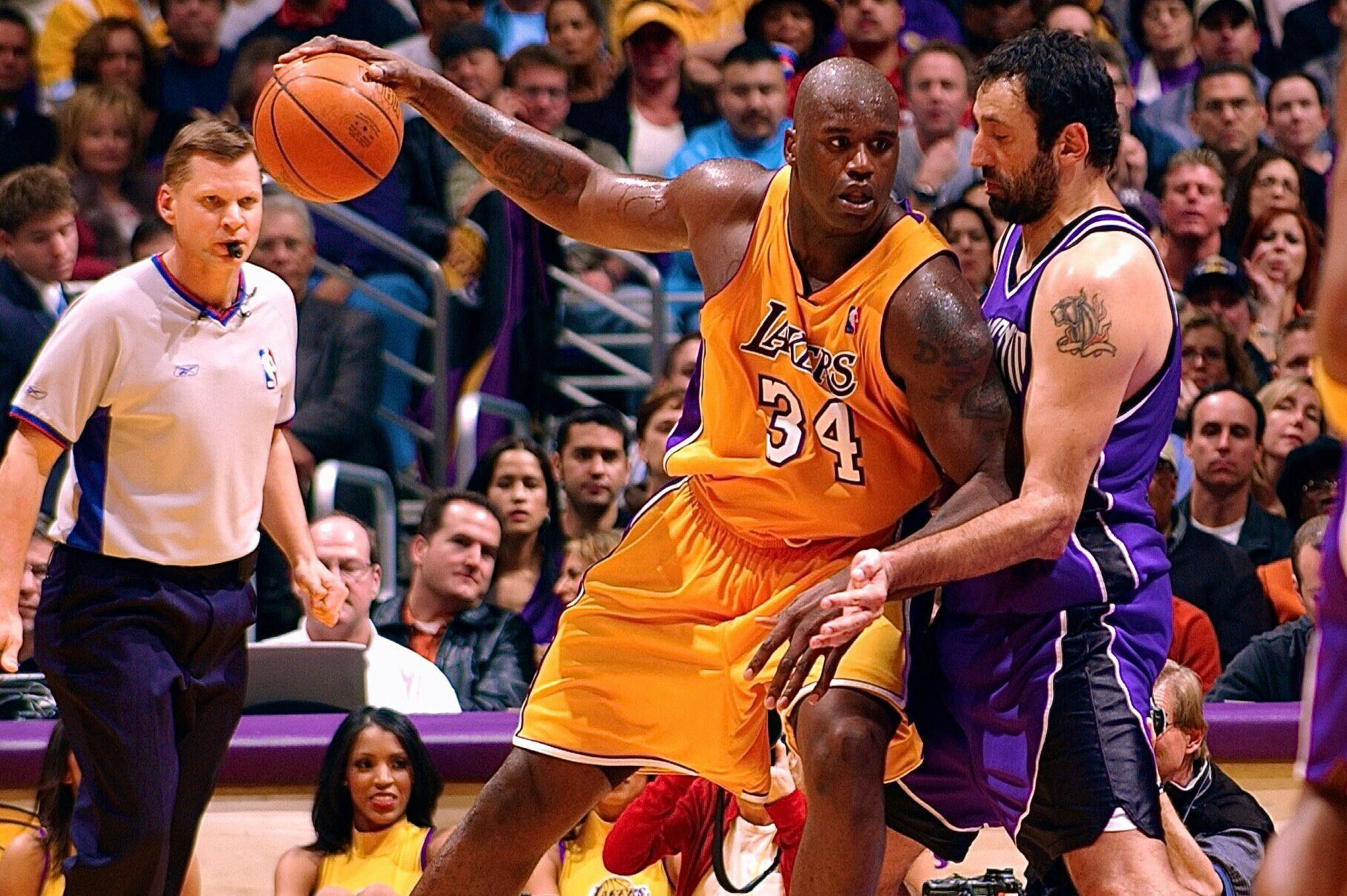
The ability to excel with low post moves can significantly influence a player’s impact on the game. 

This multifaceted skill set is what makes them more effective, versatile, and dangerous on the court. Good post players often rely on a limited range of moves—such as the straightforward hook shot or the basic drop step. 

While these techniques can yield results, they tend to become predictable. Experienced defenders can catch on quickly, effectively anticipating their moves and limiting their scoring opportunities. In contrast, great post players possess an extensive toolkit of moves that keeps defenders perpetually guessing. They can fluidly transition between an array of techniques—like up-and-unders, spin moves, fadeaways, and crafty foot fakes. This unpredictability doesn’t just create scoring opportunities; it forces defenders to react swiftly, often leading to mistakes and fouls. 

A diverse post repertoire empowers players to tailor their strategy based on the specific matchup or court positioning. A physically dominant player might lean toward powerful finishes at the rim, while a more agile player could opt for finesse moves that create space for crisp jump shots. This adaptability not only amplifies their scoring ability but also enhances the overall effectiveness of their team’s offense. 

By consistently varying their post play, they can exploit mismatches, capitalizing on smaller or less skilled defenders. In essence, the divide between good and great post players lies in their ability to draw from a rich arsenal of post moves. This variety fosters unpredictability, enhances scoring potential, and promotes effective teamwork. 

Having a comprehensive skill set of low post moves can transform a player from being merely good into an extraordinary force in the post game.

When it comes to knowing the right post moves to teach young players, few can be trusted more than Luka Bassin. 

Luka Bassin is a Slovenian basketball coach who worked at all levels of European basketball. He served as video coordinator, advanced scout, scout, assistant coach, player development coach and head coach in the best Slovenian team Olimpija, as well in youth and senior national teams of Slovenia.

Coach Bassin’s ‘POST UP Encyclopedia (LOW POST strategies)’ details a plethora of post moves that he has seen used to great success in professional basketball. We’ve pulled four of his favorites to include below for your use. 

Post Pin (Over The Top)

One of Coach Bassin’s low post moves is called the post pin, which occurs when a defender (ideally a smaller defender who is mismatched down low) tries to “front” the post player (playing in front of them in order to deter a pass). 

In this situation, the post player will want to set their front arm against the defender’s back and create as much space between them and the rim as possible. Once they’re able to do so, the guard or whoever has the ball will want to lob the ball in between the post player and the rim. 

For this to work, the post player has to use their legs and superior size to create space in the paint while keeping their arm up in the air to indicate that they’re open. Once the pass is received, they need to get their shot up without bringing the ball back downward, as that can allow the defender an opportunity to take the ball away. 

Baseline Spin

null

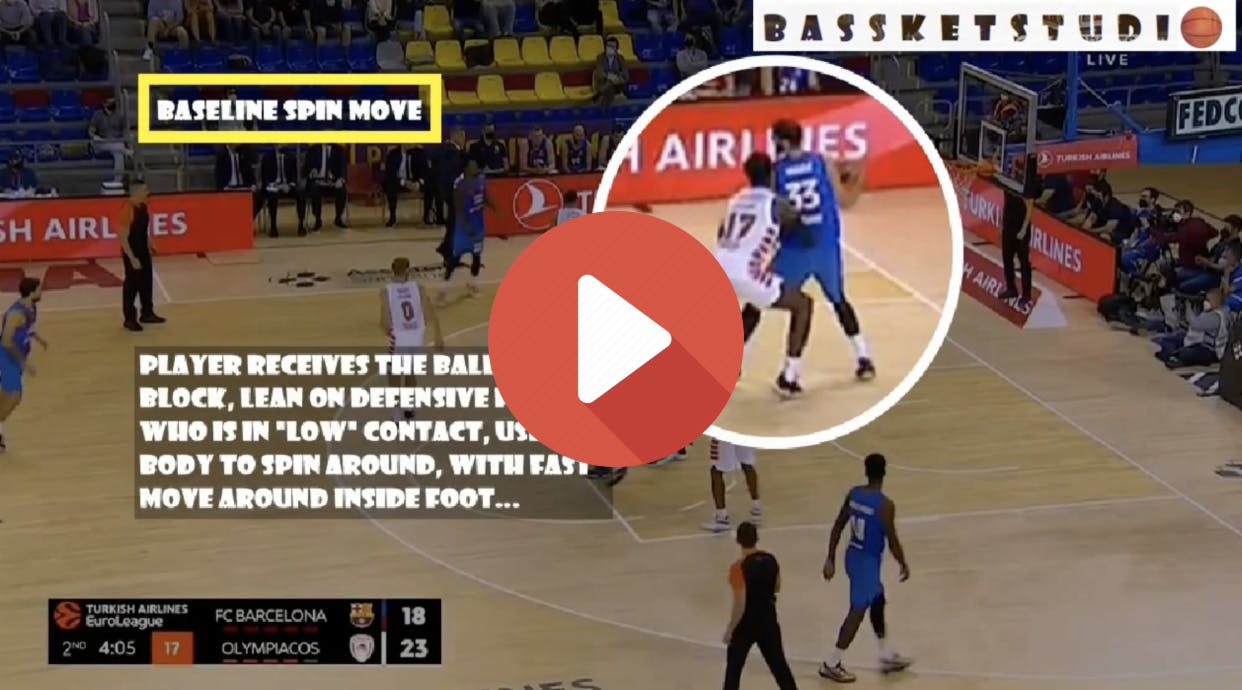
Another one of Coach Bassin’s favorite post moves is the baseline spin, which becomes an option once a post player is slightly out of the paint along the baseline with a defender in proper position behind them.

Once they receive the pass, the post player will want to lean backward against their defender. This is a crucial step for this move’s success because it will inform the post player where their defender is trying to guard them depending on which side they’re positioned. 

If the post player is positioned away from the baseline (which is usually the case), this creates an opportunity for the post player to spin around using their inside pivot foot toward the baseline, which will open up a path for them to either drive to the basket or shoot a jump shot from their current position, depending on their skill set.


Step Through 

Another important move that a post player can add to their arsenal is what Coach Bassin calls the step-through move. 

This move starts when the big receives the ball on either block. From there, they’ll take a moment to gauge when their opponent is trying to contain them defensively. Once that verdict is reached, the player will either drive to the middle or to the baseline (depending on their defender) go up for a shot, pump fake, and then use their pivot foot to alter to a new position before taking their actual shot. 

This shift in rhythm will throw the defender off and likely create a wide-open shot close to the basket. 

Face Up Drive Middle

null

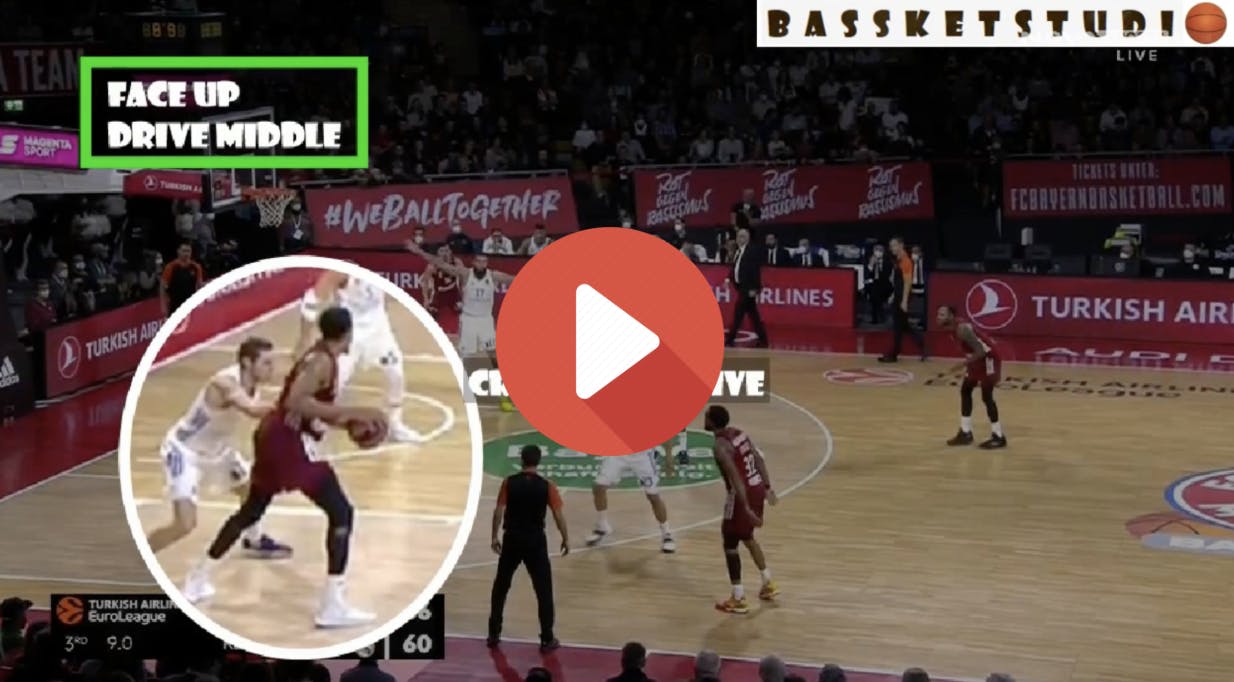
The fourth and final post move from Coach Bassin we’re discussing is what he calls the face up drive middle. 

This move is perhaps the most simple. All the post player is going to do is get the pass, face up to their defender, and drive straight through their chest. Since there isn’t much momentum, it’s unlikely that the defender will try to take a charge. But it should knock them off their balance enough to open up space.

NYSS Find Their Strengths 

Monday, August 4, 2025

US Sports Football: Win Downfield - Attacking Different Areas Deep with 3rd Level RPO and Los Angeles Chargers vs. Detroit Lions Game Highlights


  • By Coach Grabowski

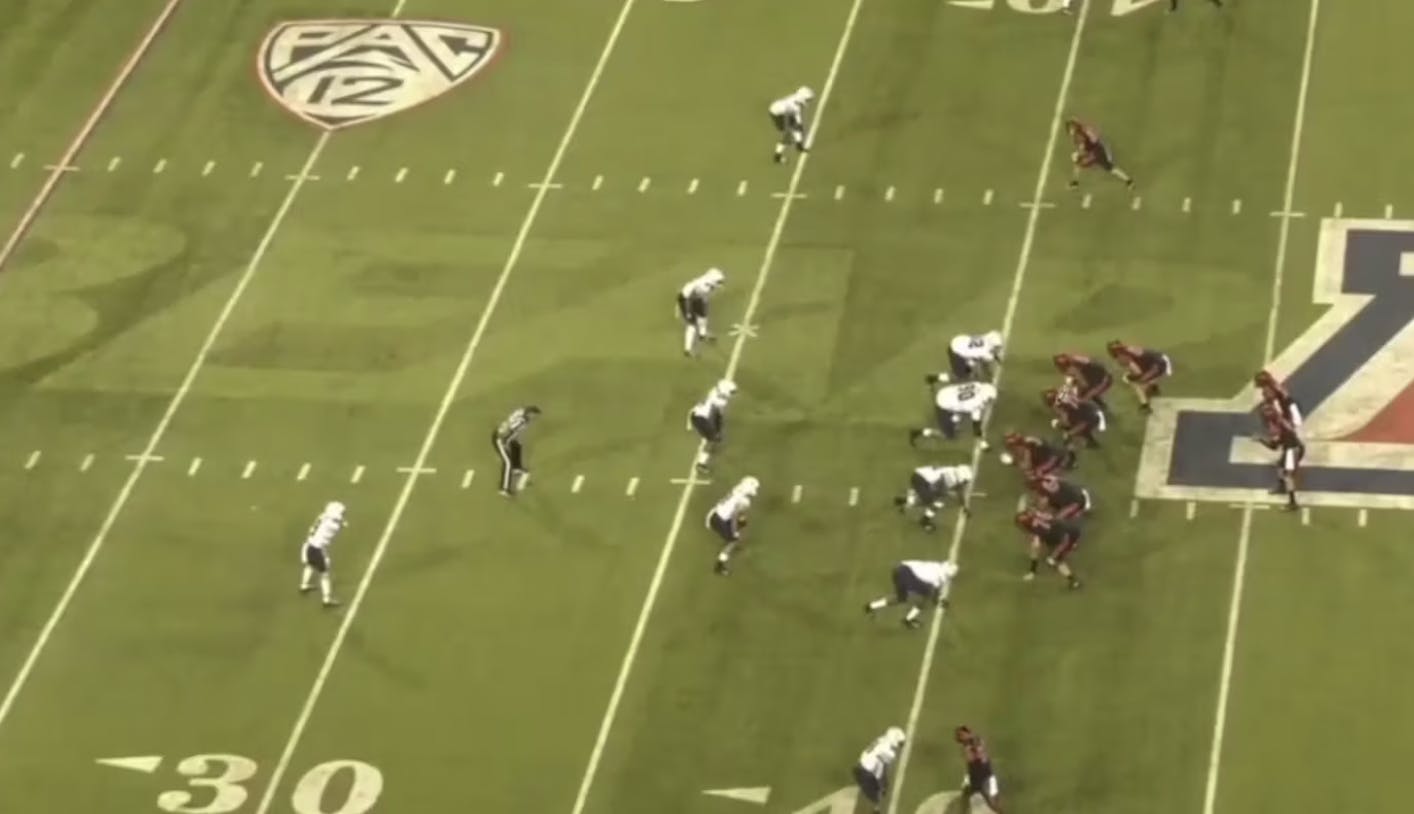
For teams that are RPO-heavy in their attack, the defense will start to take away conflict by bringing a safety down into the boxbe.com/courses/football/defensive-backs">safety down into the box either pre-snap by alignment or by rotation in buzzing a safety down into the box.

With this move, they effectively equate numbers in the run, and the underneath passing windows are typically left open by a 2nd level player whose run-fits are now taken away.

This creates the necessity of having vertical answers.  An offense can drop back and use seam reads or choice routes, but the objective of any RPO is to run the ball while having a protection answer.

Of course, the RPO can remain the call by simply shifting to a 3rd Level RPO. Most of these are designed with some sort of underneath throws still available with quick routes or key screens.  When the offense is successful with these, then the defense needs to decide if it really wants to bring that extra defender down.

Today, we will take a look at three 3rd Level RPO with the Glance, Bender, and Slot Fade and how each attacks a void in the defense.

Glance

If the backside safety comes down, then Glance is a favorite for many programs.  These typically are run as a 5-step break. 

Glance can be run to the field as well. At Alabama, they call it “pop.” The idea is to attack space as Alabama WR Coach Holmon Wiggins points out in this video:

null

Glance is fine to the field as well, but you have to be wary of the backside safety.  Noel Mazzone has his receivers flatten it out to what he calls a grass glance.  The purpose is to not bring the Glance into the safety. He explains it in this video:

Bender

Another option is to use a Bender route allowing the receiver to bend into the void rather than giving a distinct break.  This type of route comes into play versus different rotations but it allows the offense to attack a void in the middle of the defense with an easy throw.  Former Averett OC Kirkland Brown explains it off of a gap scheme in this video:

Slot Fade

Glance and Bender bring the receivers into the middle of the field, so safeties are always a danger, but the slot fade attacks a different void of the defense and can be protected with back shoulder throws as well.

Former SDSU OC Jeff Hecklinski explains the Slot Fade RPO here:

Defenses are getting better and better in how they defend RPO.  Having a mechanism to attack their aggressiveness can provide answers and explosive plays.

Planning for some 3rd Level RPO answers can be an effective way to get the chalk back for the offense.

NYSS Every Kid In the Game

Sunday, August 3, 2025

Dr. John Campbell on US Sports Radio


Never forget.
The 'safe and effective' shills hope you do.
Dr. John Campbell
Public health and truth
Now streaming on US Sports Radio

The Alex Jones Show Highlight On US Sports Radio


The Alex Jones Show Highlight

NUCLEAR WAR ALERT Trump Orders Nuclear Submarines Moved Near Russia In Response To Argument With Russian Official

Now streaming on US Sports Radio

https://bit.ly/USSportsRadioToday

http://www.USSportsRadio.net

The Rock Almighty: The Way, the Truth and the Life and The 'N' Word Has No Power If You Give It No Power Over You


  • Author David Smith

"Do not let your hearts be troubled. Believe in God, believe also in me. There are many rooms in my Father's house. If there were not, would I have told you that I am going away to prepare a place for you? And if I am going away to prepare a place for you, I will come again and will welcome you into my presence, so that you may be where I am. You know where I am going, and you know the way."

Thomas said to him, "Lord, we don't know where you are going, so how can we know the way?" Jesus said to him, "I am the way, the truth, and the life. No one comes to the Father except through me. If you have known me, you will also know my Father. From now on you know him and have seen him."

Philip said to him, "Lord, show us the Father, and that will satisfy us." Jesus said to him, "Have I been with you all this time, Philip, and you still do not know me? The person who has seen me has seen the Father. So how can you say, 'Show us the Father'? You believe, don't you, that I am in the Father and the Father is in me? The words that I say to you I do not speak on my own. It is the Father who dwells in me who does his works.

Believe me, I am in the Father and the Father is in me. Otherwise, believe me because of the works themselves. "Truly, truly I tell you, the one who believes in me will also do the works that I am doing. He will do even greater works than these because I am going to the Father. I will do whatever you ask in my name, so that the Father may be glorified in the Son. If you ask me for anything in my name, I will do it."

"Strike the Tents"

"Kiss me, Hardy"

"Such is life!"

Question: What do these three phrases have in common?

Answer: They each have three words in them!

Better answer: They are all the last words of famous men (Robert E. Lee, Lord Nelson and Ned Kelly, respectively).

Now I don't know why so many famous last words come in three's ('Et tu Brute') but I do know that in some cultures people take your last words very seriously, believing that a person's whole life can be encapsulated in their final words.

I find that a rather disturbing theory, as I suspect that my final utterance will probably be "urrghhh", which I hope will be a less than adequate summary of my life. Even so, I can appreciate why people take a person's last words seriously, and I think we should take a person's last words seriously, which is why I want to exhort you to listen up to our Gospel reading today as they contain some of Jesus' last words.

These words from John chapter 14 are not Jesus' last last words, of course. Those last last words, spoken from the cross, are the ones we reflected upon a few weeks back now on Good Friday, but these are amongst His last words, taken from a dialogue that took place during the Last Supper – a dialogue generally referred to in scholarly circles as 'the final discourse'.

And if you read through the whole discourse you'll find that it does read like someone's last words – a little like the conversation that takes place around the bedside of someone who knows that their time is short, with their children huddled about, feeling distressed and confused and wondering what is going to happen.

"You know where I am going, and you know the way", says Jesus (v. 4). "Lord, we don't know where you are going, so how can we know the way?" replies Thomas (v. 5), like a frightened child who has no idea what he will do if daddy isn't there!

Indeed, the whole passage reads like a dialogue between a parent and his children. The kids are asking, "Where are you going?", "when are you going to come back?", "who is going to stay with us while you are gone?"

Jesus 'disciples here aren't so much worried about what is going to happen to Jesus as they are about what is going to happen to them without Jesus. They are uncertain, confused, they aren't ready yet to face the world without their father, or at least, like all children who huddle around the bed of a departing parent, they don't think they are.

And Jesus speaks to His children words of comfort. He promises them indeed that He will not leave them alone but that He will send to them 'the comforter' and that through 'the comforter' He will stil be with them, and He promises too that He will go and prepare a place for them and that when he has gone and prepared a place for them that "I will come again and take you to myself, that where I am, you may be also!" (vs. 3)

And you've heard those words before, I'm sure – most likely at a funeral!

I have taken a lot of funerals and I have read those words at every funeral I have taken, and I have been to quite a few funerals that others have taken and these words have been read at most of them too (the handful of secular funerals I've attended being the only exceptions).

We find in these words both comfort and strength in the face of death, and that is fitting, as they were spoken by Jesus with a view to giving comfort and strength to His disciples in the face of His own imminent departure and death.

It is fitting that we read Jesus' words about the Father's house and its many rooms when distressed by separation and death. What is ironic though, in my view, is that we never add the words that Jesus followed these with – namely, "I am the way, the truth and the life. No one comes to the Father except through me" – as these words were likewise calculated to give comfort and strength to the weak and fearful.

Maybe some people do add these words about Jesus being the way, the truth and the life to their funeral liturgies. I'm not sure They aren't included in the prayer book I use, and I suspect that they aren't included in many, for I must confess that almost invariably, when I hear this verse quoted, it's not to bring comfort to someone who is in distress, but rather it's being used hit somebody over the head with the supposed inferiority of their religion.

I'm sure you know what I'm talking about. This is the verse we throw at Muslims, Jews, Buddhists and Hindus. Jesus said that He was the way, the truth and the life. Therefore everything you believe is garbage!

John 14:6 is the favourite proof text of people like Pastor Terry Jones – that character from Florida who tried to organise a Quran burning. "No one comes to the Father but by me", says Jesus. That means that nobody who isn't a part of the Christian fold (and, more specifically, a part of the doctrinally-correct, Evangelical, Bible-believing end of the Christian fold) isn't going to get to the Father!

'No one gets to the Father but by Him.' It's very simple! There's only one way! It's like booking a cabin for our bush camp next weekend. If you want to get a cabin and a bed you've got to come by me! Nobody comes to Binacrombi but by me, which might sound a little disturbing. Actually ... nobody comes to Binacrombi but by Narelle, my assistant! Some of you who know her may find that even more disturbing!

Anyway, I get this verse thrown at me all the time because of my tendency to fraternise with people from other religious groups (most especially because of my friendship with so many Muslims of course). Well-meaning brethren confront me with this all the time – sometimes in person, sometimes by phone call, but most often via the anonymity of the Web. They say to me, "You need to read John 14, verse 6: "Jesus said ... "I am the way, the truth, and the life. No one comes to the Father but by me."

And the assumption, of course, is that I must be a no-good liberal – one of those weak-minded Christians who abandoned His belief in the Bible years ago for an ephemeral faith in the basic goodness of all people - somebody who has resigned himself to the belief that all religions are basically the same. And this is not the case at all!

I remember listening years ago to a certain local member, speaking at an anniversary of the terrible Bali bombing that cost the lives of some of our local residents here, who appalled me when he offered his analysis of the terrorist attack by saying something like, 'what a shame that a little thing like religion should separate people so radically?'

I confronted him afterwards and encouraged him not to trivialise other peoples' religion, assuming that theirs is just some inferior variation on your own. Most people, I would suggest, who blithely assert the equality of all religions, do so simply because they can't be bothered to examine any religion closely enough to understand what it's really about!

It is very easy to say the politically correct thing – that all religions are equally true and have an equal contribution to make and that nobody has a monopoly on the truth.

Personally, I think it behoves us, if we are going to reach out in love and friendship to people of other religious traditions, to start by assuming that people of other religious traditions probably take their faith just as seriously as we do ours, and by assuming that their faith understanding is probably just as complex as ours is. Of course that doesn't mean that we therefore have to agree about everything (or anything)!

Personally, when it comes to the differences between Christianity and Islam, for example, I believe that those differences are deep and profound, but that surely doesn't mean that I don't have anything to learn from my Islamic sisters and brothers, just as it surely doesn't mean that I'm obliged to show contempt for what they have to say!

That I disagree with my Muslim friends in some things surely does not mean that must disagree with them about everything, and it most surely does not mean that I don't need to love and respect them just as much as I do everyone else.

Of course I don't bother saying all this to those who attack me online and elsewhere, as they normally don't have the ears to hear it, though I do sometimes point out to them what Jesus actually said – that HE was the way, the truth and the life – not that Christianity as a religion is 'the way', nor that Christian doctrine (as hammered out over 2000 years of creeds and councils) is 'the truth', let alone that life in the church – whether it be the church of Terry Jones in Florida or even church as it's experienced in the Anglican Diocese of Sydney – is 'the life'.

Even so, it misses the point, for these words from Jesus were never intended as a polemic, but as words of comfort and strength for disciples in distress.

When we feel anxious and alone, when we are not sure where Jesus is going or how long He is going to be or why He ever left us in the first place, He says to us, "I am the way and the truth and the life".

'Look to me! It doesn't have to be so hard! It's not that you did anything wrong or that there is some great task that you have to fulfil in order to get yourself right with the Father. I am the gate to the sheepfold. I am the way to the Father. I will take care of all of that for you. Yes, you are confused, and yes, there are lots of things you don't understand, but you don't have to understand everything either. Just leave all that to me. If you have seen me, you have seen the Father. I and the Father are one. You can trust me on this. There is nothing more that needs to be done. You can relax. I am the way, and I love you!'

Last words are very important. I still remember the last words my father said to me before he died. He had three words for me too: "go home son!", to which he then added another three: "I'll be fine!"

And I did go home, and I'm sure he is fine, and I guess he was trying to make things easier for me in what he said, and I suspect that when my time comes I'll be trying to do the same for those I leave behind. It's the final act of love that parents give to children, just as Jesus, in his last discourse, gives these words to us:

'I am the way and the truth and the life. Be at peace. Relax. I've got it under control. Believe in God. Believe also in me! No one comes to the Father but by me.'

Get a free preview copy of Dave's book, Sex, the Ring & the Eucharist when you sign up for his free newsletter at [http://www.fatherdave.org](http://www.fatherdave.org)

National Youth Sports Strategy

Saturday, August 2, 2025

US Sports Partner Spotlight: American Eagle


AE makes America's favorite jeans, as well as on-trend clothing, shoes and accessories that are designed for self-expression.
See why this ad is so explosive! Or not....
https://bit.ly/AmericanEagle25

US Sports Radio Affiliate partner
http://www.USSportsRadio.net

Become a Master at Bunting and MLB Highlights from ALL games on 8/1! US Sports Baseball


  • By Brandon Ogle

Former college baseball coach Billy Godwin showed the importance of bunting when he said, “I think it’s about creating pressure. When you can get a bunt down in a good situation in the right location against a team defensively, now you’ve created where the team’s got to make that throw.” Bunting isn’t always going to be a success, but it is creating a situation where the defense has to make a play. However, players need to know the fundamentals that will make this process more effective.

Step-by-Step Technique Guide

( Free video lesson from 'The Complete Guide to Hitting for Beginners' by Coach Billy Hall)

In a game that can often be decided by one run, being able to bunt can be a lifesaver. In this section, I’ll provide you with a beginner’s guide on how to bunt properly. While developing your ability to bunt consistently depends on practice, just mastering the technique can take you a long way.

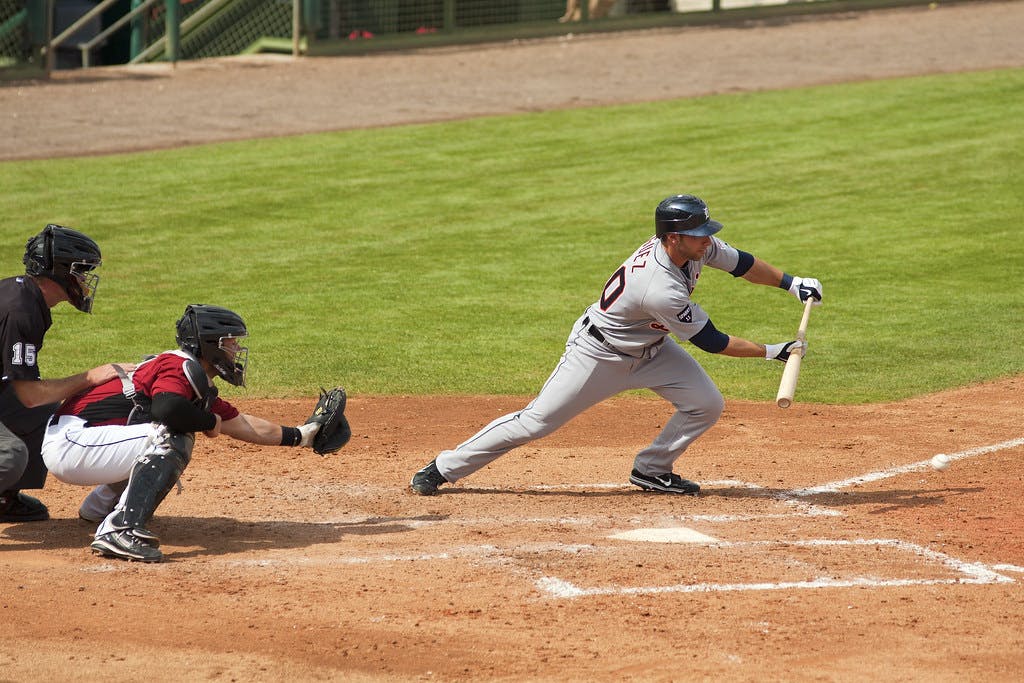
Once you step up to the plate, you don’t want to give away your intentions too early, so make it look like a normal at-bat. Then, as the pitchers enters his windup, prepare to bunt. The hand placement will involve the left-hand being moved up slightly and the right-hand up towards the middle of the bat. Make sure to keep you’re right-hand on the backside of the bat to avoid a ball clipping your fingers. This placement is for right-handed hitters, but with lefties it would be the direct opposite.

Finally, as the pitch comes in, let the ball hit the bat and angle it to the direction you intend. The key is to not try to swing at the ball in bunting form. This will not get the job done!

Bunting for a Hit

If your bunting ability is good enough and you have the speed to get down the line quickly, then you’ll always have the possibility of bunting for a hit available to you. It can be a deadly weapon as it will affect how pitchers throw to you and where the infielders position themselves on the infield. If you intend to bunt for a base hit, then you can either pursue a drag bunt or a push bunt.

A drag bunt is one that is hit down the third base line. If a righty is on the mound, then usually he’ll fall off more towards the 1st base line. This leaves the third baseman as the main guy you’ll need to worry about. If you see him or her playing in a standard or deep position, then it’s a good set-up for a drag. Meanwhile, a push bunt is hit towards the second or first baseman. This is the recommended strategy for when a lefty is pitching due to the fact that they’ll fall off towards the 3rd base line.

If you see the first baseman anticipating a bunt, then try to bunt it hard enough to beat the pitcher, but not hard enough to reach the second baseman. With the first baseman off his line, there will be no one to cover the bag. These are just a few scenarios in which players could turn a bunt into a hit.

Sacrifice Bunt

A sacrifice bunt is relatively simple, but nonetheless requires technique. This is where a player bunts to essentially give up their out and advance the runner who is already on base. However, this doesn’t mean you can just bunt wherever. Failure to accurately execute the bunt can lead to the defense getting the lead runner out, rather than yourself at first base.

In terms of effectively laying down a sacrifice, you need the ability to utilize the bat to aim the ball where you want it to go. If that means the third base line, then hit a short bunt that stays fair, but not hard enough to reach the third baseman in time to throw to second. Essentially, at the heart of a sacrifice bunt is technique.

When Does Bunting Make Sense?

When should you bunt? Some critics argue that bunting never makes sense. After all, some of the time it just gives away an out for free. While I used to think this was true, after watching the Kansas City Royals make a run to the 2014 World Series, I realized salvaging one run can be the difference in any given game. One time I think bunting makes perfect sense is when you’re facing a dominant pitcher. Say this pitcher has already shut your team out for four innings and shows no signs of slowing down. With the infielders back, this could be the perfect time to lay one down for a hit. It could not only result in a base runner, but also help disrupt the pitcher’s rhythm. They’ll be forced to throw out of the stretch then as opposed to a traditional wind up.

Similarly, imagine your team being down one run in the bottom of the ninth. The first guy gets on. With you at-bat, wouldn’t it make sense to move that runner into scoring position with a sacrifice bunt? This could bring the winning run to the plate with a runner on 2nd.

Finally, a bunt might make sense if you’re just having a bad day at the dish. If you’re struggling to make contact, this might be the perfect time to bunt one and just give full-out hustle to get a base knock. These are just a few of many situations where it might make sense, but show bunting isn’t always a waste.

Players Who Should Never Bunt?

While I have shown that bunting can help a team win games, that doesn’t mean every player should go out there bunting. Even though some may assume that fast players should regularly bunt and slow players should never bunt, this perception is not always accurate.

First off, it depends on the defense. If the defense is positioned in a cautious set-up, a bunt may be a possibility for any player if executed properly. With this said, my main reason why you shouldn’t agree with that perception is because I believe that elite hitters should never bunt. Some may attribute this to ego, but if you have a guy like Mike Trout at the plate, I’m not afraid to admit that I’d rather have him swing the bat than move a run into scoring position.

It is a simple risk vs. reward measurement. Some may argue everyone should be a potential option for bunting, but I don’t believe that is always the case.

Utilize Batting Practice

The only way to get good at something is through practice. Once you’ve got the technique down (which, honestly, isn’t that complex), you’ve got to work on being able to bunt to different areas. Whether it be a drag, push, or sacrifice, all of these take time practicing. So, when you’re in the batting cage taking some swings before the game, use about five of those pitches to practice bunting. It’s better to miss on a couple during practice than foul one straight up during a game.

Don’t Hesitate

Most baseball people I’ve talked with have said the important thing about bunting revolves on this idea of not hesitating. While deception dominates the early stages of the at-bat, once you square around and the pitch is in the zone, you must execute the bunt. You don’t want to get nervous once the pitch is thrown and lunge at the ball, thus resulting in a failed bunt. Utilize the technique given and accomplish the task at hand!

NYSS FB Be A Role Model

Friday, August 1, 2025

US Sports Partner Spotlight: Bass Pro Shops


Save up to 25% Off Select Huk Clothing at Bass Pro!
https://bit.ly/BassProShopsHUK
Johnny (John L) Morris, founder and Lead Outfitter of Bass Pro Shops, got his start in 1972 by selling fishing tackle out of the back of his father’s store. Since then, Johnny has earned a reputation as one of the most visionary and influential retailers of the last 50 years. Today he is known as a retail and travel destination pioneer.

US Sports Radio affiliate partner
http://www.USSportsRadio.net

US Sports Martial Arts: Learning the Fundamentals of Mixed Martial Arts and Feat. Dramatic Comeback Victory 😤 Otis Waghorn vs. Kongklai | Muay Thai

 Author Ross Natonason

The popularity of Brazilian Jiu-Jitsu and shoot wrestling has led to the creation of American and Japanese mixed martial arts. This kind of full contact combat sports was originally held as a competition aiming to discover the most effective martial arts which will be very helpful in real unarmed combat situation. In 1995, the sport got its coined name by the President and CEO of Battlecade, Rick Blume, and now famously known as the "mixed martial arts". At first, the players are to follow minimal rules. As fighters executed multiple martial arts, organizers and promoters started to employ additional rules to intensify safety and secure mainstream acceptance as a sport.

With the warm acceptance from the audience and avid fans, mixed martial arts practice has spread around the globe. Adults, kids and teens have enrolled to various martial art schools that offered courses for different types of martial arts. With the purpose of learning the art of fighting, most of the students aim to become experts in this field and become professional competitors of this sport. Although this was primarily practiced almost exclusively by competitive fighters, it has become available to wide range of practitioners of any age and with varying levels of competitiveness. Martial arts courses include judo, muay Thai, taekwondo, karate, wrestling and others.

Usually, fighters train with different styles under multiple coaches or an organized fight team. Before going to complex styles and fighting techniques, players must learn the common disciplines in mixed martial arts which are gained from traditional martial arts. The following enumerates three common disciplines of mixed martial arts:

a. Stand-up fighting tactic

This discipline consists of effective stand-up striking while the fighter avoids ground fighting. This style is usually applied using sprawls to defend against takedowns. Footwork, kicking, elbowing and punching are enhanced in this style. Muay Thai kickboxing and Karate principles are usually applied in this discipline.

b. Clinch

Applied by wrestlers and Judokas, clinch fighting as well as dirty boxing are tactics used to prevent opponent from moving away into more distant striking range. This tactic is applied in attempting takedowns and striking competitor using knees, elbows, punches and stomp.

c. Ground

Another strategy to takedown or throw opponent to the ground is the ground-and-pound. An effective ground technique will let opponent obtain a top or dominant position then strike opponent with fists and elbow. This fighting tactic is aimed to attempt submission holds.

Although males dominate mixed martial arts, the sport also has female players commonly coming from Japan. Personalities such as Megumi Fujii, Gina Carano and Miesha Tate have represented women power and known as faces of women's MMA.

MMA equipment and clothing gear

To preclude the use of fighting kimono, MMA promotions have required male and female fighters to wear appropriate fighting attire. Male fighters play bare-chested and wear shorts as well as groin protectors underneath their trunks. Female fighters wear shorts and sports bras or other similarly fitting tops. Both fighters are required to wear mouth guards and rash guards. Choosing the best MMA equipment and gear must be based on functionality, style, and quality craftsmanship. Examples of quality clothing gear include Sprawl Fusion shorts, UFC fight and sparring gloves, brain pad mouth guards and grappling shin guard.

Ross is author of this article on Learning the Fundamentals of Mixed Martial Arts. Find more information about Mixed Martial Arts here.

NYSS Twitter Focus on Fun