Now Streaming On US Sports Radio!

US Sports Net Today!


Live Play-by-Play, Updates, Highlights and More! on US Sports Network!
[Chrome Users-You may have to click on the play button twice to listen]
US Sports Network Powered By Gorilla Sports!


US Sports Radio
The Las Vegas Raiders Play Here
Fitness and Sports Performance Info You Can Use!
The Scoreboard Mall
The Rock Almighty Shaker Of Heaven And Earth!
The Coolest Links In The Universe!
Showing posts with label basketball coaching basketball player high school basketball basketball recruiting basketball instruction video basketball videos. Show all posts

Saturday, November 15, 2025

US Sports Basketball: Two of Tom Izzo’s Top Michigan State Defensive Drills and UCLA vs. Arizona Extended Highlights


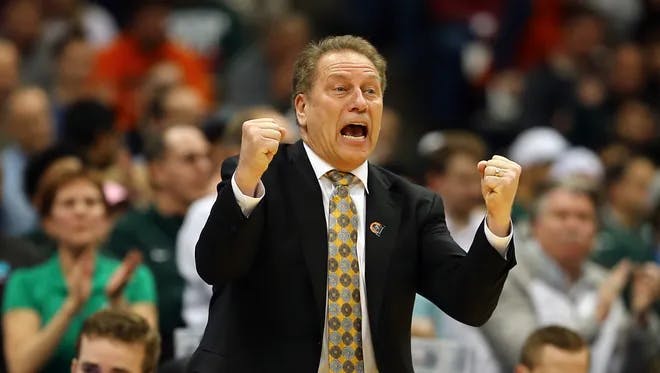
Tom Izzo's name has become synonymous with March excellence, and at the heart of his program's sustained success lies an unwavering commitment to defensive prowess. 

As his Spartans enter the 2025 NCAA Tournament as a No. 2 seed, it's clear that Izzo's defensive philosophy remains the cornerstone of Michigan State basketball — which is largely owed to his basketball defense drills.

US Sports Basketball powered by HomeFi!
High Speed Home Internet

Since taking the helm in 1995, Izzo’s teams consistently rank among the nation's best in defensive efficiency, reflecting his belief that championship-caliber basketball begins on the defensive end. This philosophy has produced remarkable consistency - eight Final Four appearances, a national championship in 2000, and a streak of NCAA Tournament appearances that has spanned decades.

Izzo's defensive system emphasizes fundamental principles: aggressive on-ball pressure, precise rotations, disciplined help defense, and most importantly, securing defensive rebounds. "Defend, rebound, run" has been his mantra, with the first two elements enabling the third. His teams are known for their physical play and mental toughness, hallmarks of the program's identity.

What separates Izzo from other defensive-minded coaches is his ability to adapt his system to his personnel while maintaining its core principles. Whether coaching teams built around dominant big men or quick, athletic guards, Izzo has consistently produced elite defensive units through meticulous preparation and relentless attention to detail.

The 2024-25 Spartans exemplify this commitment to defensive excellence. Their No. 2 seed in the NCAA Tournament reflects not just their offensive capabilities but their stifling defense that has frustrated opponents throughout the season. By emphasizing defensive intensity in practice and demanding accountability from every player, Izzo has once again molded a team capable of making a deep tournament run.

As Michigan State begins another tournament journey, Izzo's defensive philosophy  — a philosophy that he emphasizes and sharpens on a daily basis through some of his renowned defensive drills — continues to set the program apart. 

In Coach Izzo’s ‘Defensive Skills and Drills’ clinic, he explains two drills that he has used for decades not to help instill these winning defensive pillars into his teams. We have pulled two such drills and included them for your use below. 

Beat the Belt Drill

null

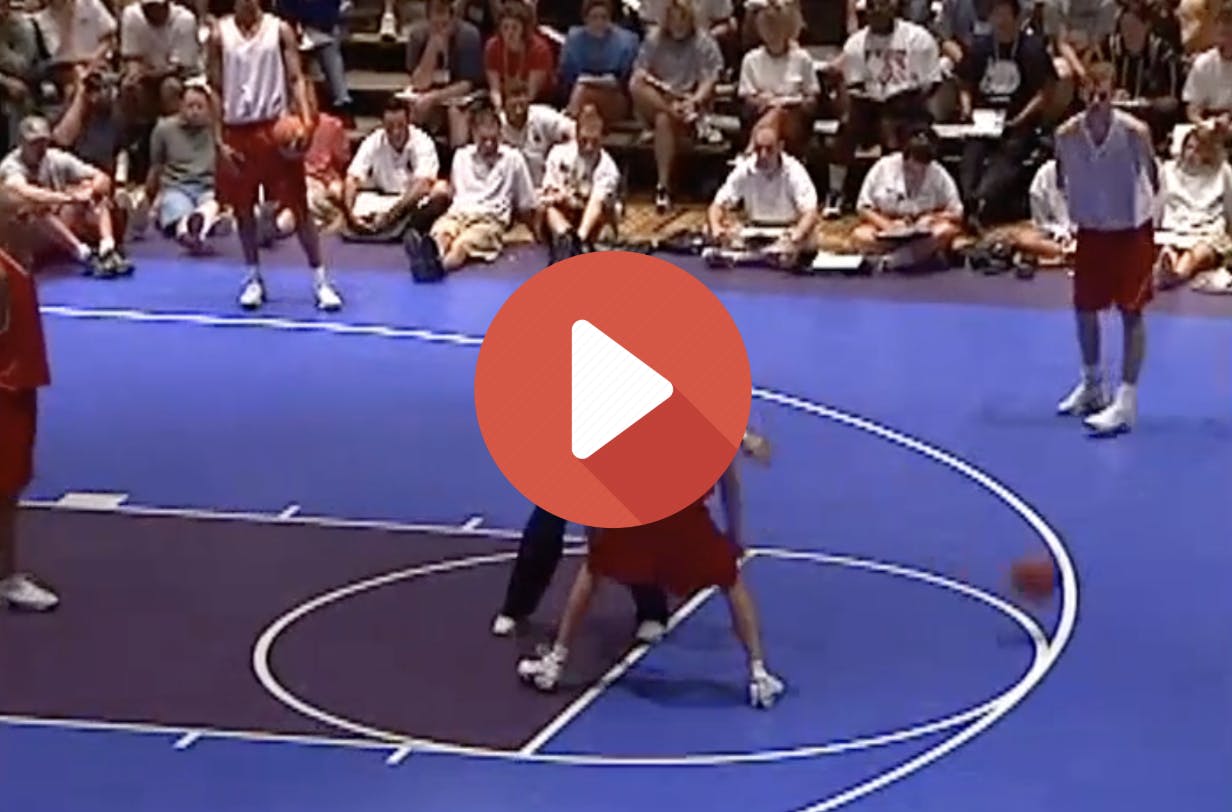
One of Coach Izzo’s “favorite drills” is what he calls the beat the belt drill. It begins with the ball and a player along the wing, another ball and another player in that same side’s corner, a defensive player in the middle of the paint, and a line of players on the block opposite the wing. 

The drill begins with a player from the line cutting hard up to the free throw line. Once they do this, the defensive player in the paint will defend them receiving a pass with their left hand. From there, the player on offense is going to cut toward the basket, the defender will open to the ball and defend the player on offense receiving a cut pass from the player in the corner. 

Coach Izzo also noted that the defender’s feet should be parallel to the line of the ball at all times in this drill (and during games). It’s also worth reiterating that the player who’s receiving the passes is actively trying to beat the defender by receiving the passes and making a shot, which will make the drill game-like. 

If the defender falls behind in the second half of the drill, Coach Izzo asserts that they should be diving out of bounds to help ensure that the second pass doesn’t reach its mark. This grittiness and tough playing style is something Coach Izzo always preaches and is shown by the way his Michigan State teams play. 

Jump to the Ball Drill

null

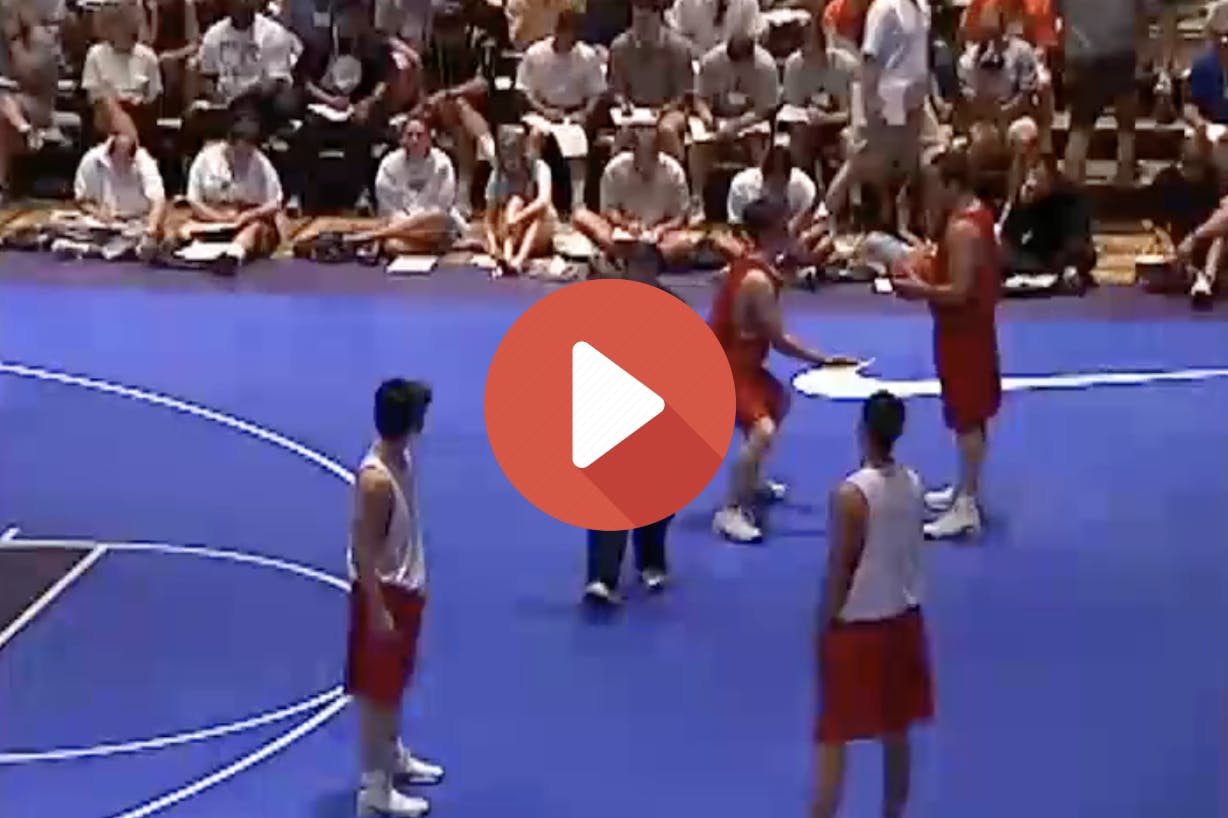
One drill that Coach Izzo says that he tried to do every day with his Michigan State teams is what’s called the Jump to the Ball drill, which will start with two lines facing the basket along each wing, about halfway in between the three-point line and half court. 

The front player in one line will turn around and get in a defensive stance facing the next player in line. In the other line, the front-facing player will move in between the two lines, turn around, and get in a defensive stance, as if they’re preparing to play help defense. 

From there, the player on offense in one line will pass to the offensive player in the other line, prompting the two defensive players to rotate with the one in the middle moving to square up in front of their man with one hand in their face while the other rotates to the middle. 

After a few reps of this, new players will come to the line and the two lines will go to two different places on the court, at various lengths away from each other. This will help players understand the amount of spacing and speed required to get in front of their man at various passes. 

Coach Izzo stresses this drill because his defense is all about having solid man-to-man core principles without any pressing. He believes the most important part of having a successful man-to-man defense is not getting beat off of the dribble, and this jump to the ball drill teaches players how to get to their man on a pass while remaining in an athletic stance, which will minimize the chances of them getting blown by if the person they’re defending decides to penetrate into the paint.


smartlink

Wednesday, October 29, 2025

US Sports Basketball: Three Key Strategies Will Wade Uses to Build a Dominant Team and CLIPPERS at WARRIORS FULL GAME HIGHLIGHTS


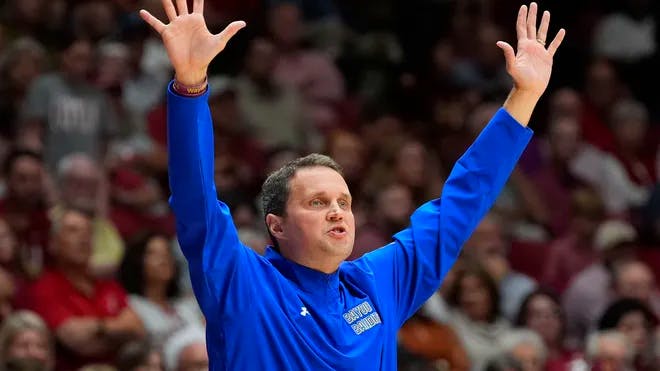
Will Wade (now the HC  at NC State) made history by leading McNeese State to its first-ever NCAA tournament win, defeating Clemson Clemson 69–67 in a thrilling matchup in the first round. 

Hired just two years earlier on March 12, 2023, Coach Wade has quickly transformed the program, establishing a winning culture and fostering a team that competes at the highest level.

Before taking the reins at McNeese, Wade enjoyed a successful coaching career, including notable stints at LSU and Chattanooga, where his high-pressure defense and relentless style of play helped him earn recognition as one of the premier coaches in college basketball.

Wade's approach has elevated McNeese to new heights, as demonstrated by their recent NCAA tournament victory victory, with a commitment to discipline, high-energy play, and a focus on both offense and defense, Wade has quickly turned McNeese into a program to watch.

Here are three key elements that showcase how Coach Wade built a successful team: his focus on winning habits, his effort-driven accountability, and his relentless defensive system. Each emphasizes discipline, hard work, and a relentless drive for success while maintaining a clear, results-oriented framework.

Winning Habits

null

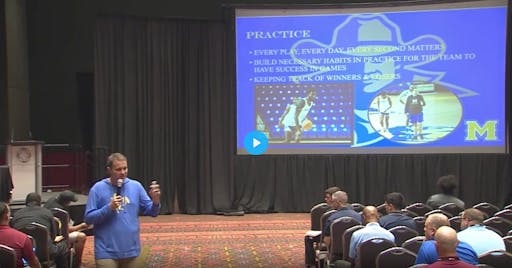
Coach Wade outlines the core principles of his high-energy, results-driven coaching philosophy. He emphasizes the importance of urgency in every practice and drill, where every moment matters and every action is tracked—every drill has a winner and a loser, and the results are posted for the team to see. 

His system is built on fostering winning habits, where the goal is to develop players who understand what it takes to win both on and off the court.

His offense prioritizes great spacingball movement, and a relentless drive to attack the paint—with a specific focus on getting three passes, a ball reversal, and a paint touch in over 70% of possessions.

The approach is straightforward, tough, and performance-driven. The message is clear: if you want to succeed in his system, you must be ready to put in the work—every play, every second, every day.

Effort and Execution

null

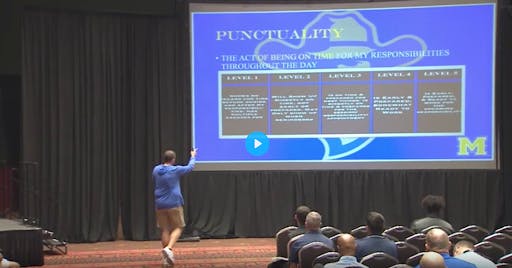
He introduces a highly structured system of accountability designed to instill discipline, effort, and appreciation in his players.

Every action, from punctuality to effort, is meticulously tracked and rated on a scale from 1 to 5. These ratings are updated weekly and correlate directly to the success of the team, where even the smallest details—like being on time—can make the difference between winning and losing. This system creates a culture where players understand that every action matters and results are tangible.

Another cornerstone of Wade’s program is the value of appreciation. Players are expected to know and show respect for everyone who contributes to the success of the program, from the custodians to the managers. 

Wade teaches that true success comes not just from individual performance, but from recognizing the efforts of others and being grateful for the support that enables their growth.

This system is designed to build more than just great basketball players—it’s about creating disciplined, respectful individuals who understand that success is earned through effort, accountability, and a culture of gratitude.

Defensive Philosophy

null

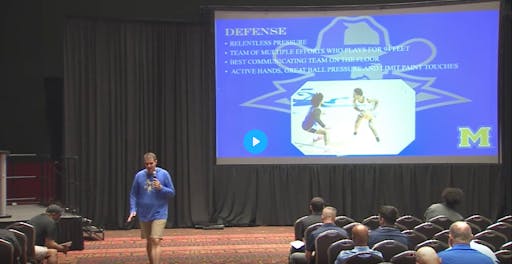
dives deep into his defensive philosophy, emphasizing a pressure-oriented, relentless defense that is all about multiple efforts

Wade’s approach focuses on preventing the ball from ever reaching the paint, asserting that the most crucial element in defense is keeping the ball out of the paint.

Wade explains that while the corner three is often regarded as one of the most efficient shots in basketball, defensive positioning can counter that. 

By denying paint touches and forcing teams to take non-paint threes, his team increases their chances of success, as perimeter shots are much less effective when they aren’t the result of an inside-out paint touch.

He’s quick to acknowledge that his assistants handle the tactical aspects of defense, but his main job is to make sure his players give full effort—and that’s what he holds them accountable for in practice.

Through this intense, high-pressure, and effort-driven defensive system, Wade builds a team that thrives on disrupting offenses and controlling the game at both ends of the court.

With a philosophy that emphasizes high energy, relentless effort, and disciplined execution, Will Wade has crafted a proven system that drives his teams to success both on and off the court. Thank you, Coach and the THSCA for sharing these clips from the clinic Creating a Standard.


Tuesday, October 14, 2025

US Sports Basketball: Three Elite Drills to Begin a Basketball Practice With


  •                                                       

    By Grant Young
  •  

Practice is one of the most vital parts of any team's success. A basketball practice or training session is designed to help you address your players' weaknesses, improve their weaknesses, sharpen their strengths, and push them outside of their comfort zone so that you as a coach can advance and develop them into greater players. 


Basketball players can learn quickly, but to master the skills they must practice constantly. It is a known fact that if you practice something every day then you'll eventually get better at it over time. 


Through repetition, basketball drills help players improve their skills. When players practice basketball drills consistently and with the right technique, they develop muscle memory and good habits that can be useful in game situations. 

And few basketball coaches know effective drills better than Michael Fly. 

Coach Fly is in his first season with the Mizzou men’s basketball program as the team’s Director of Scouting and Analytics.

Before joining the Mizzou Tigers, Fly served as head coach at Florida Gulf Coast University from 2018 to 2022. During his tenure at FGCU, he led the Eagles to the third-most wins in a single season in the program’s history with 22 victories during the 2021-22 campaign. FGCU also set school records for non-conference wins, 3-pointers made, 3-pointers attempted, blocks per game, and total blocks in a season.

Overall, Fly recruited and developed two Atlantic Sun Newcomer of the Year award winners in addition to the conference’s Defensive Player of the Year during the 2021-22 season. 

Coach Fly knows how important establishing good practice routines is for getting his players to consistently perform.  This is why he has developed drills to help players get into rhythm at the start of practice. 

In his ‘My Favorite Warmup Drills to Start Practice’ course, Coach Fly breaks down each of his favorite beginning practice drills in detail, including how to run them effectively for your own team, making actual practice that much more effective and impactful.

6 Minute Shooting

Coach Fly notes that once his team is warmed up, they almost always start practice with some sort of shooting drill. 

A favorite of his is called ‘6 Minute Shooting’, which is a simple yet effective drill that is proven to improve players’ shooting. How it works is that Coach Fly suggests setting a six-minute timer and having his players practice midrange jump shots around the elbow or the top of the key. 

A good strategy here would be to have players get in a line, have players grab their own rebounds after their shot, and then pass to the player in the front of the line, to mitigate chaos and ensure that all players are getting the same amount of shots up during those six minutes. 

After about three minutes of this drill, the players who are truly a threat to shoot and make three-pointers in a game will back up behind the three-point line while the post players are still shooting midrange shots. 

Coach Fly loves this drill primarily for the psychological benefits. With college and younger-aged players, seeing their shot go through the hoop — especially at the beginning of practice — is a great confidence boost. This is why Coach Fly refers to this 6-minute drill as a “sneaky way to get a bunch of shots up and get players feeling good,” and is a staple drill that he returns to multiple times per week to start a practice. 

Cone Shooting

null

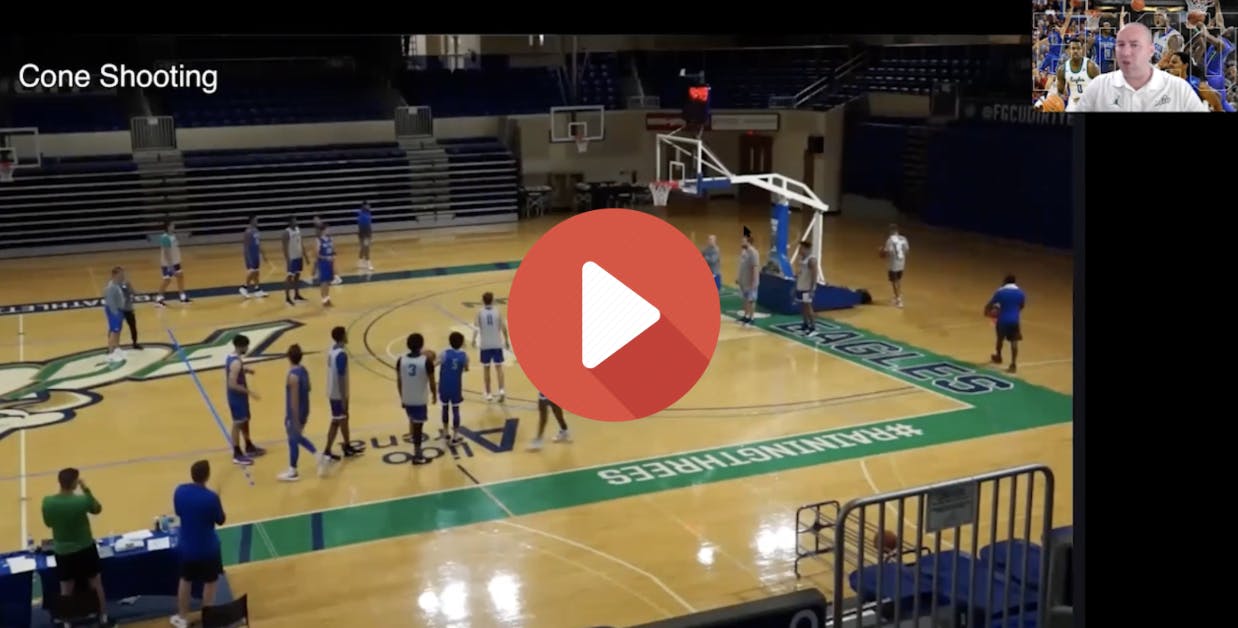
Another basketball practice warmup drill that Coach Fly swears by is what he calls the ‘Cone Shooting’ drill. 

This drill will start with your players dividing into two lines at each wing. From there, the player at the front of one line (who doesn’t have a ball) is going to cut to the elbow or around the free throw line. The player in front of the other line (who is holding a basketball) will deliver a bounce or chest pass to that cutting player. From there, the player will either take a jump shot or dribble and penetrate into the paint for a layup. 

After making that initial pass, the player who did so will then cut to the middle in the same way and receive a pass from a player in the other line. In other words, each player will start the drill by being a passer then will cut and become the shooter after that. 

The shooter will grab their own rebound and pass it back in the line from the same place they came from, then will head to the back of the other line. 

Because this drill gives the players the freedom to work on their specific finishing moves, it allows for a lot of customization, and each player can tailor this drill to their specific skill set. 

Defensive Stations

While shooting drills are an important part of getting players ready for practice, defensive drills are also integral.

And Coach Fly’s Defensive Stations drill is a great one that should get your team in a mindset to compete and perform on the defensive end of the floor. 

This drill starts by dividing the team into three different sections (or stations), and placing them at three different hoops around the court you’re playing at. 

From there, you will have each station working on something different as it pertains to your team’s defensive philosophy. For example, one station can be focused on switched during a pick-and-roll scenario, another can be closing out on a jump shooter without fouling, and a third drill can be for anything that a coach wants to focus on in their team’s next game. 

This drill affords a ton of flexibility for coaches and creates a way for assistant coaches to get involved in practices. 


Friday, September 26, 2025

US Sports Basketball: Four of Baylor Coach Nicki Collen’s Midseason Pick and Roll Adjustments and EPIC MATCHUP Türkiye vs. Serbia (Highlights)


  • By Grant Young

Midseason adjustments are vital for keeping the pick and roll offense effective as the basketball season unfolds.

While teams may find initial success with this strategy, opponents will quickly analyze and adapt to it. To counter these defenses, coaches need to make strategic adjustments. 

One approach is to rotate different players into the roles of the ball handler and screener, creating mismatches and preventing defenses from settling into predictable patterns. Tweaking screen angles and timing can also disrupt defensive schemes. 

Simple variations, like faking a screen or changing the roll angle, can create confusion for defenders. Recognizing defensive coverages is also essential—if opponents begin to switch or trap, exploiting rotation gaps through ball movement or off-ball screens becomes crucial. 

Developing players’ decision-making abilities will be key. Practicing various scenarios allows them to read defenses quickly and react effectively. By continuously evaluating and adjusting strategies, teams can ensure the pick and roll remains a dynamic and potent offensive weapon throughout the season. 

But these are all basic solutions to what can be a complex issue. This is why we’ve left the real analysis to Baylor University head women’s basketball coach Nicki Collen. 

Nicki Collen became the Baylor women’s basketball head coach in 2021. She enters her fourth season at the helm in 2024-25, and has started the season with a 16-3 record. Collen came to Baylor from the WNBA’s Atlanta Dream franchise, where she spent the last three seasons as head coach. She earned WNBA Coach of the Year honors in her first season there and helped the franchise to the WNBA Playoff Semifinals.

Coach Collen’s ‘Nicki Collen - Pick and Roll Offense’ clinic contains a ton of fantastic insights that will help you understand what midseason adjustment you can make to the pick and roll to ensure it remains a high-level and efficient offense for the remainder of your season.

Ball Handling

Coach Collen discusses how one way that she tried to minimize turnovers within the pick-and-roll offense is by having all of her players practice ball handling for 5-10 minutes at the start of every practice. 

The reason for this is that sloppy ball handling by either the guard who’s dribbling or the post player who could be receiving the pass on a roll can be a common cause for turnovers, which all basketball coaches know can be a death sentence. 

Outside Hand Passing

null

In addition to focusing on ball handling, Coach Collen notes that it’s crucial players practice passing the ball with their outside and non-dominant hand in a pick and roll scenario. 

This is because in many dribble drive situations off of the pick and roll, the only way a player can get a pass off in the correct location is by utilizing the off-hand. This might be to the roller or it might to be a wing player who gets open because their defender has to help defend the paint. 

Also important in practice is that players are starting their pick and roll offense at free throw line extended rather than closer to the top of the key. Free throw line extended should always be the priority when it comes to beginning these offensive sets because it spaces the floor and provides optimal angles for the drive, roll, and kick. 

Work Your Feet

Given the fatigue that inevitably sets in for any basketball player in the middle of a season, it’s common to see that players get lazy with their footwork in the pick and roll at this point in the year. This is why Coach Collen stresses footwork during the pick and roll segments of her practice. 

To do this, Coach Collen has her guards stutter their feet when moving part of the screen set for them. Once this stutter occurs, they will be able to make a read on whether to pass to the roller, continue driving to the basket, or kick out to a player along the wing. 

Another vital aspect of the pick and roll’s success is that the post player who sets the pick separates from the screen as quickly as possible and gets to their correct position. This is because the guard will depend on that player being an option to pass to while also keeping the lane uncongested. 

In order to separate as efficiently as possible, the post player needs to have their pivots perfected regardless of where they’re rolling to after the screen. Clumsy footwork in this separation phase can ruin any execution the offense has brewing. 

Twist the Screen

null

Another important concept that can add crucial layers to a basic pick and roll offense is what Coach Collen calls “twisting the screen”. 

This essentially means that after the additional pick and roll (that should be around the free throw line extended) an extra wrinkle an offense can add is that the post player who sets the pick can pivot back around and set another screen for the same guard, which essentially serves as a misdirection that can throw the defender off guard. 

The benefits to this are that it will open up for a baseline drive, a kick out to either corner, and/or set the post player up to roll into the paint or to get the upper hand on an offensive rebound. 

This extra screen twist is perfect to institute into an offense in the middle of the season to throw defenses off balance and give them something else to prepare for.

NYSS Twitter Focus on Fun

Wednesday, August 20, 2025

US Sports Basketball: Three Tips to Sharpen Your Post Player’s Footwork in Basketball and The Gold Standard (Ch. 6): 2025 FIBA U19 Men's World Cup


  • By Grant Young

Having good footwork is pivotal for post players in basketball for several reasons: 

1. It allows post players to establish their position close to the basket, making it easier for them to receive entry passes and score efficiently. 

2. It enables post players to make quick and decisive moves, allowing them to create scoring opportunities and outmaneuver defenders.

3. It also helps post players maintain balance and stability, which is essential when facing physical defense in the low post. 

These are just three of the reasons why mastering footwork should be an essential part of every post player’s practice program, which will allow them to excel in the paint and become more effective scorers and playmakers for their team.

But it can be challenging to find effective basketball footwork workouts. Firstly, there is a wide range of drills available, and it can be difficult to determine which ones are truly effective for improving footwork. Plus, the effectiveness of a footwork drill can vary depending on the skill level and playing style of the individual player. Some drills that are utilized may not adequately simulate game-like situations, making it harder for players to transfer their improved footwork from practice to actual games. 

Thankfully there are trustworthy coaches out there who have proven time and time again through the success of their teams and individual post players that their drills and techniques are effective. We have pulled post player footwork drills and instructions from three highly respected basketball coaches, that are guaranteed to help improve your big men’s skills when navigating the paint.

Dave Severns - Positioning Target Feet

Dave Severns is currently a basketball scout for the Indiana Pacers. Before that, he spent 14 years in the NBA as Director of Player Development for the LA Clippers from 2010-2016, Director of Player Development for the Chicago Bulls from 2008-2010, and Pro Personnel Scout for the LA Clippers from 2016-2021. 

While Coach Severns’ ‘Elite Post Play’ course doesn’t detail a specific footwork drill, he goes into depth about where and how post players should be catching the ball in the paint, which is crucial when deciding which post moves and footwork to implement. 

Coach Severns explains that the block is the measure is where post players will want to post up. They never want to be below the block because there isn’t enough space there to receive a pass and execute a post move. Instead, they should always be at or somewhere in front of the block. 

Another important aspect of paint positioning is that the big man always wants to have their chest squared up to the passer. 

One thing that Coach Severns hates seeing is a lazy post player who isn’t working hard to position themselves correctly to receive the ball and/or execute offense when they do get a pass. This is why he says all post players must keep a firm, wide stance and their hand in the air at all times, in order to assert their positioning and prepare to execute. 

Christian Mueller - Shot Fake Mikans

Former volunteer assistant coach Christian Mueller rejoined the UIW women’s basketball staff after a one year hiatus as the top assistant coach during the summer of 2013.

Mueller was a volunteer assistant for the Cardinals during the 2011-12 season when the team went 16-13 and advanced to the Lone Star Conference title game. Previously, he has been a women’s basketball college coach for eight years working at the NCAA Division I, Division II and NAIA levels.

Mueller’s specialty is coaching post play. And in his ‘No Moves Needed’ course, he discusses why the Shot Fake Mikans drill is crucial for post players looking to improve their footwork when shooting in the paint. 

When executing a shot fake, players want to be careful to not use too much of their body to exaggerate the fake, because that won’t look like their actual shot and therefore won’t fool defenders. Instead, they’ll want to only move their upper half like keeping their knees in an athletic position. 

While there are many reasons why the mikans drill should be used by every post player, a main one is because it reinforces proper footwork in the paint if the player isn’t being lazy with their feet. Because each shot demands a slightly different set of footwork, a coach should always be looking at their player’s feet when doing this drill rather than looking at their shot. 

Ido Singer - Drop Step, Top Foot

null

Ido Singer is a former professional basketball player and a college coach with 10+ years of experience at the High School, Division 3, NAIA, and Division 1 levels. Ido has served in many roles, most recently serving as an assistant coach at the University of North Carolina Greensboro for the past 3 years.

Coach Singer’s ‘30+ Footwork Drills Every Player Should Master’ course details a drill that starts with a player in the middle of the paint, with a ball positioned about halfway between the block and the elbow and a few feet outside of the paint. 

Once the player goes and grabs the ball, they’ll want to be sure their top foot is the first foot that moves, and it’s going directly toward the basket. The important part here is that the player isn’t making any false steps with their back leg, nor should they be taking their front foot anywhere other than straight at the basket. 

In addition, there should be no dribbling in this drill. The post player should keep the ball at shoulder length or higher as soon as they pick it up from the chair. 

 NYSS Stay In The Game

Tuesday, August 5, 2025

US Sports Basketball: Four Post Moves All Basketball Forwards Should Have In Their Bag and Jordan 🇯🇴 vs India 🇮🇳 1XBET Highlights FIBA Asia Cup 2025


  • By Grant Young

The ability to excel with low post moves can significantly influence a player’s impact on the game. 

This multifaceted skill set is what makes them more effective, versatile, and dangerous on the court. Good post players often rely on a limited range of moves—such as the straightforward hook shot or the basic drop step. 

While these techniques can yield results, they tend to become predictable. Experienced defenders can catch on quickly, effectively anticipating their moves and limiting their scoring opportunities. In contrast, great post players possess an extensive toolkit of moves that keeps defenders perpetually guessing. They can fluidly transition between an array of techniques—like up-and-unders, spin moves, fadeaways, and crafty foot fakes. This unpredictability doesn’t just create scoring opportunities; it forces defenders to react swiftly, often leading to mistakes and fouls. 

A diverse post repertoire empowers players to tailor their strategy based on the specific matchup or court positioning. A physically dominant player might lean toward powerful finishes at the rim, while a more agile player could opt for finesse moves that create space for crisp jump shots. This adaptability not only amplifies their scoring ability but also enhances the overall effectiveness of their team’s offense. 

By consistently varying their post play, they can exploit mismatches, capitalizing on smaller or less skilled defenders. In essence, the divide between good and great post players lies in their ability to draw from a rich arsenal of post moves. This variety fosters unpredictability, enhances scoring potential, and promotes effective teamwork. 

Having a comprehensive skill set of low post moves can transform a player from being merely good into an extraordinary force in the post game.

When it comes to knowing the right post moves to teach young players, few can be trusted more than Luka Bassin. 

Luka Bassin is a Slovenian basketball coach who worked at all levels of European basketball. He served as video coordinator, advanced scout, scout, assistant coach, player development coach and head coach in the best Slovenian team Olimpija, as well in youth and senior national teams of Slovenia.

Coach Bassin’s ‘POST UP Encyclopedia (LOW POST strategies)’ details a plethora of post moves that he has seen used to great success in professional basketball. We’ve pulled four of his favorites to include below for your use. 

Post Pin (Over The Top)

One of Coach Bassin’s low post moves is called the post pin, which occurs when a defender (ideally a smaller defender who is mismatched down low) tries to “front” the post player (playing in front of them in order to deter a pass). 

In this situation, the post player will want to set their front arm against the defender’s back and create as much space between them and the rim as possible. Once they’re able to do so, the guard or whoever has the ball will want to lob the ball in between the post player and the rim. 

For this to work, the post player has to use their legs and superior size to create space in the paint while keeping their arm up in the air to indicate that they’re open. Once the pass is received, they need to get their shot up without bringing the ball back downward, as that can allow the defender an opportunity to take the ball away. 

Baseline Spin

null

Another one of Coach Bassin’s favorite post moves is the baseline spin, which becomes an option once a post player is slightly out of the paint along the baseline with a defender in proper position behind them.

Once they receive the pass, the post player will want to lean backward against their defender. This is a crucial step for this move’s success because it will inform the post player where their defender is trying to guard them depending on which side they’re positioned. 

If the post player is positioned away from the baseline (which is usually the case), this creates an opportunity for the post player to spin around using their inside pivot foot toward the baseline, which will open up a path for them to either drive to the basket or shoot a jump shot from their current position, depending on their skill set.


Step Through 

Another important move that a post player can add to their arsenal is what Coach Bassin calls the step-through move. 

This move starts when the big receives the ball on either block. From there, they’ll take a moment to gauge when their opponent is trying to contain them defensively. Once that verdict is reached, the player will either drive to the middle or to the baseline (depending on their defender) go up for a shot, pump fake, and then use their pivot foot to alter to a new position before taking their actual shot. 

This shift in rhythm will throw the defender off and likely create a wide-open shot close to the basket. 

Face Up Drive Middle

null

The fourth and final post move from Coach Bassin we’re discussing is what he calls the face up drive middle. 

This move is perhaps the most simple. All the post player is going to do is get the pass, face up to their defender, and drive straight through their chest. Since there isn’t much momentum, it’s unlikely that the defender will try to take a charge. But it should knock them off their balance enough to open up space.

NYSS Find Their Strengths