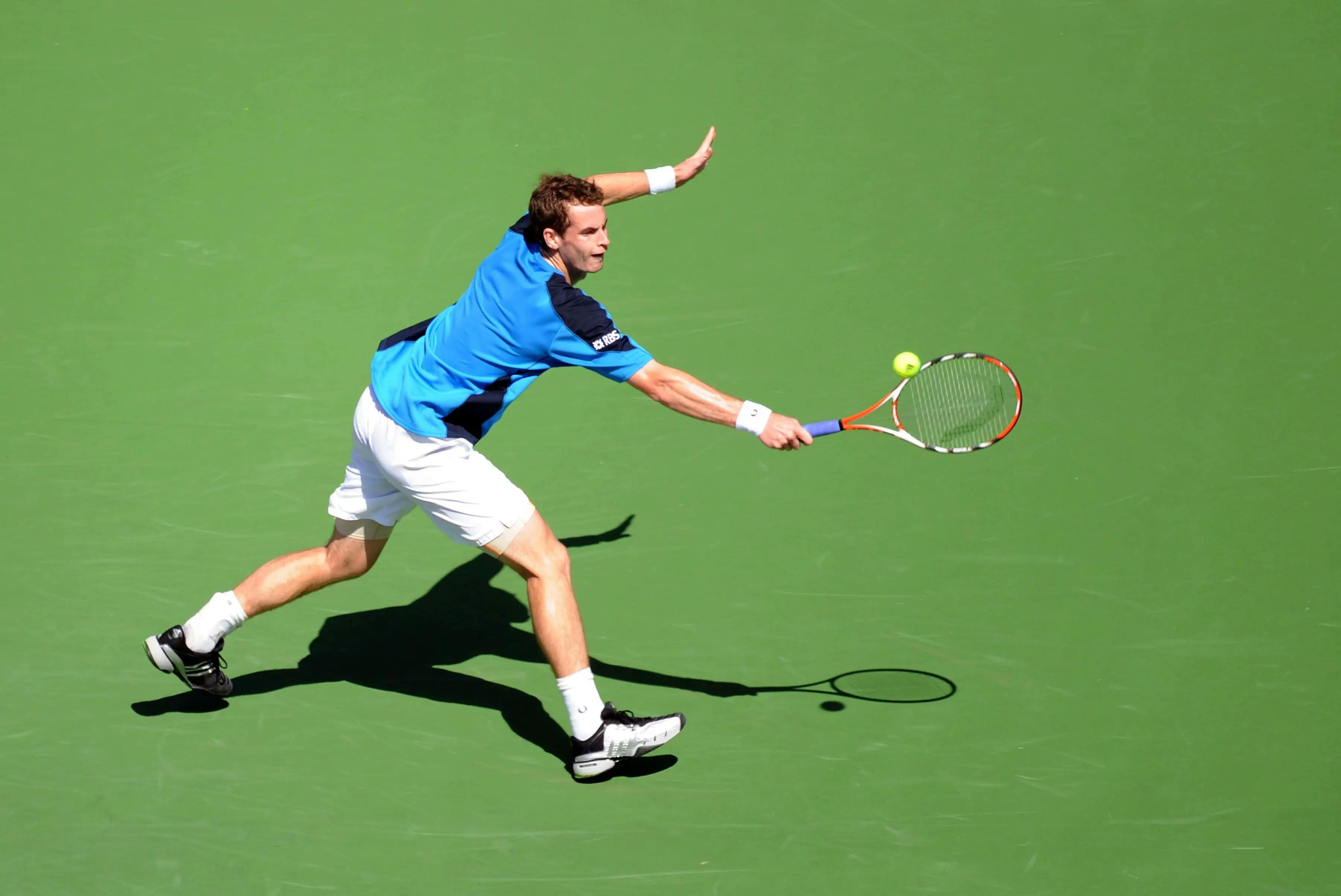
Improving the tennis backhand stroke is often considered one of the biggest challenges for players and for several reasons.
1. Natural Dominance: For many players, the
forehand feels more natural due to being stronger on their dominant
side, making the backhand stroke more awkward to develop.
2. Technical Complexity:
The backhand involves different mechanics than the forehand, requiring
focus on grip, footwork, and timing, which can be overwhelming for
players learning the stroke.
3. One-Handed vs. Two-Handed:
Choosing between a one-handed and two-handed backhand adds complexity,
as each style has its own advantages, and players must determine which
suits them best.
4. Physical Demands: The
backhand often requires good footwork and positioning, which can be
physically demanding to maintain, particularly when reacting to
fast-moving balls from opponents.
5. Individual Variability: Each
player has unique physical attributes and styles of play, making it
necessary to personalize backhand drills and techniques, complicating
the improvement process.
Despite these challenges, the
process of improving and developing the backhand is one of the most
important things a tennis player can do because they’ll undoubtedly need
to employ it effectively in a match. Players who are able to overcome
these hurdles often find significant improvements in their overall game.
This
is why we’ve pulled four drills from two high-level tennis coaches who
have used these drills to help develop the backhand aptitude of
countless athletes over the years and are sharing them with you below.
Oscar Wegner - Closed Raqcuet Backhand Drill
Oscar Wegner was light-years ahead of the tennis
industry when he was coaching open stance, stalking the ball in front,
hitting up and across, lifting the body, heavy topspin and more at
Spain's Tennis Federation School in Barcelona in 1973 and in
Florianopolis, Brazil in the 1980's.
In Coach Wegner’s ‘53 Drills for Better Tennis’ clinic, he details a couple of great backhand drills. One of these is what he calls the closed racquet backhand drill, which starts with the tennis player on their knees and facing parallel with the net (meaning sideways).
From there, a coach will bounce a ball to the player’s backhand and they will hit it. The drill’s simplicity is so
the athlete can focus on keeping their shoulders completely closed to
the net while finding the ball with the racquet’s butt cap and lifting
up and across when executing the stroke.
Coach Wegner notes how this is the only stroke where the athlete
doesn’t want to find the ball with the hand. Instead, they want to find
it with the butt cap.
Oscar Wegner - The Backhand Slice Drill
Another one of Coach Wegner’s backhand-focused drills is what he calls the Backhand Slice Drill.
The
sliced backhand is typically seen as one of the more challenging shots
to master due to its precision and technique requirements. Players must
consistently generate proper spin while maintaining balance and timing. Additionally,
the shot demands acute angle awareness and adaptability to varied ball
heights, making consistent execution difficult, especially under
pressure during matches.
This is why Wegner’s
Backhand Slice Drill keeps it simple, with the player receiving
backhanded shots from their coach, who is bouncing the ball a little bit
in front of them.
The key with this drill is for the athlete to act as if their hands are touching behind them with each shot because that’s what the top tennis players will think when learning the form of the sliced backhanded shot.
Cosmin Miholca - Backhand Groundstroke | Topspin and Slice
Cosmin Miholca is a certified tennis coach that
has been playing tennis for over 30 years and teaching it for more than
20 years, both in Southern California and more recently in Europe.
Coach Miholca has developed many online tennis courses to share
his knowledge with anyone who wants to enjoy tennis, regardless of
whether they're a coach or player, or whether they want to play
recreationally or competitively.
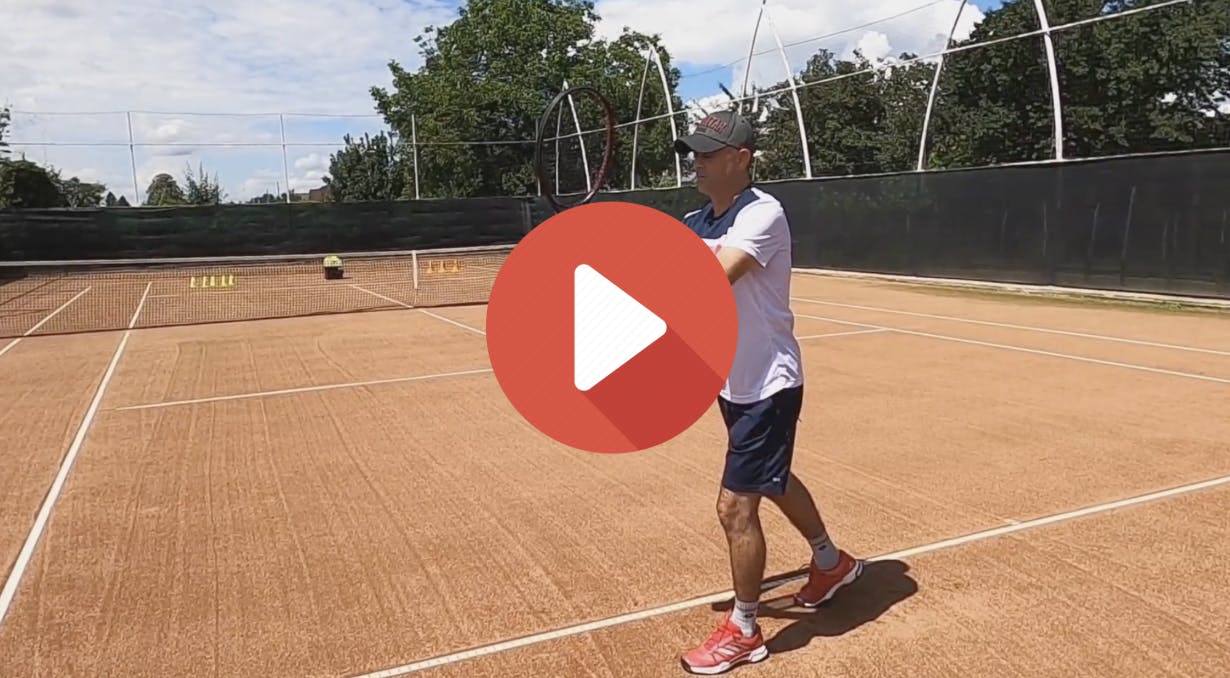
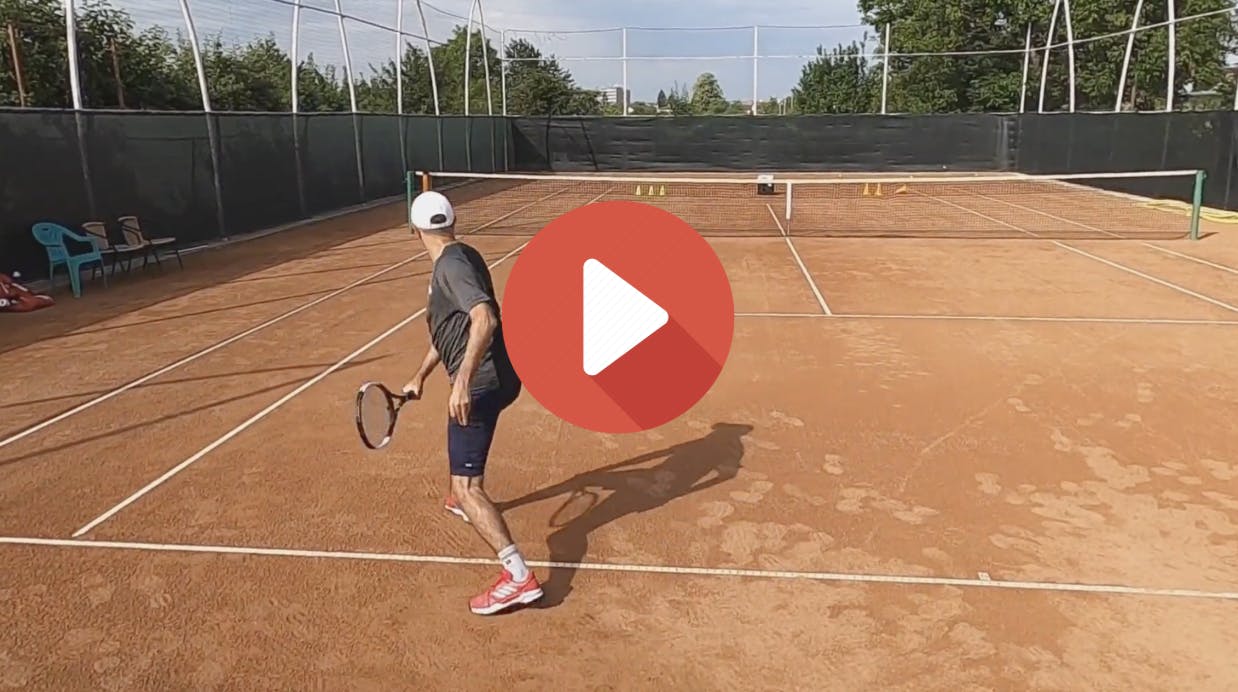
In Coach Miholca’s ‘Best BALL MACHINE Tennis DRILLS and GAMES’ clinic, he shared a few backhand drills that he has used to great success over the years.
One
drill requires a ball machine, where the machine is set up to deliver
balls to the athlete’s left side (or right side for a left-handed
hitter) to focus on the backhand. There will be two sets of cones set up
in small circles at about 10 feet on either side of the ball machine,
which will serve as targets.
Once the first ball is delivered, the athlete will focus on hitting it with top spin to one of the two targets.
With the next shot, they will focus on slicing the ball. They will then
continue alternating between these two shots as the drill progresses.
For the top spin shot, the athlete will want to focus on loading with their back foot to deliver the shot with power. For the slice, the focus should be on bringing the racquet from high to low while employing the same hands together behind the athlete idea that was mentioned previously.
Cosmin Miholca - Backhand Groundstroke | Consistency 9 Drill
Another backhand drill that Coach Miholca swears
by is what he calls the consistency 9 drill. With this drill, the cones
are still set up in the same position as they were in the previous
drill.
Once the ball machine delivers the balls, the
athlete will attempt to hit nine consecutive shots in one set of cones,
nine consecutive shots in the other set of cones, and then alternate
between each set of cones with every shot for the next nine shots.
This drill is all about consistency under pressure, which is a crucial component of success when it comes to competing on the tennis court.