Now Streaming On US Sports Radio!

US Sports Net Today!


Live Play-by-Play, Updates, Highlights and More! on US Sports Network!
[Chrome Users-You may have to click on the play button twice to listen]
US Sports Network Powered By Gorilla Sports!


US Sports Radio
The Las Vegas Raiders Play Here
Fitness and Sports Performance Info You Can Use!
The Scoreboard Mall
The Rock Almighty Shaker Of Heaven And Earth!
The Coolest Links In The Universe!

Saturday, June 7, 2025

DC Divas Football: @ Pittsburgh Passion Live


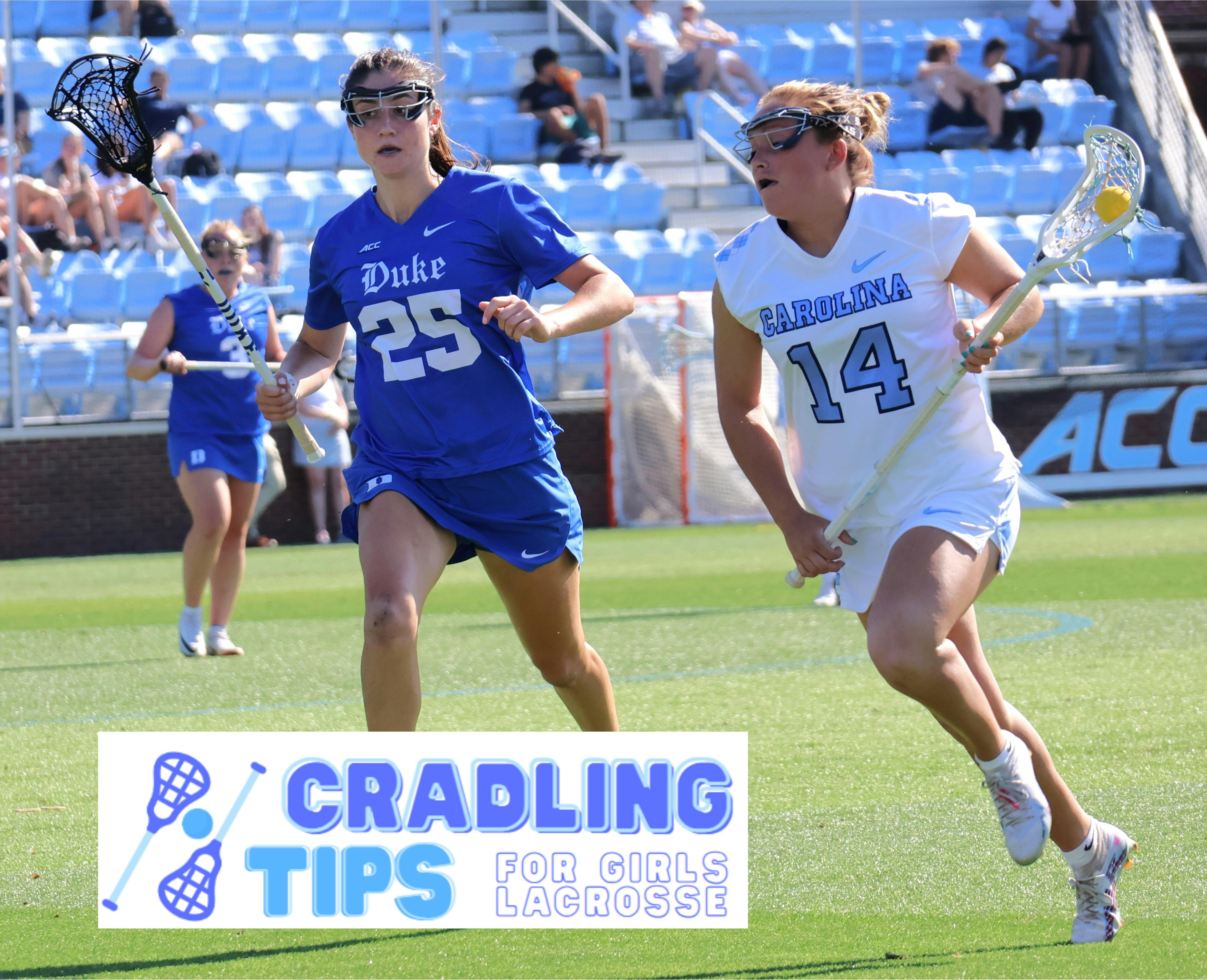
US Sports Lacrosse: From Beginner to Game-Changer: Cradling Tips for Girls’ Lacrosse and North Carolina vs. Northwestern: 2025 NCAA Women's Lacrosse Championship


  • By Avery Hixson

When coaching girls lacrosse, it is crucial to understand that confidence on the lacrosse field starts with mastering the basics—and cradling is one of the most essential. It’s not just about keeping the ball in the stick; it’s about giving young players the control, rhythm, and poise they need to move with purpose. A strong cradle allows athletes to protect the ball under pressure, transition smoothly, and set up every play with confidence.

The right mix of instruction, repetition, and encouragement can turn hesitant hands into high-impact players. These practical tips and easy-to-teach strategies work for any kind of young player. Give your team the tools they need to develop, compete with confidence, and truly enjoy the game.

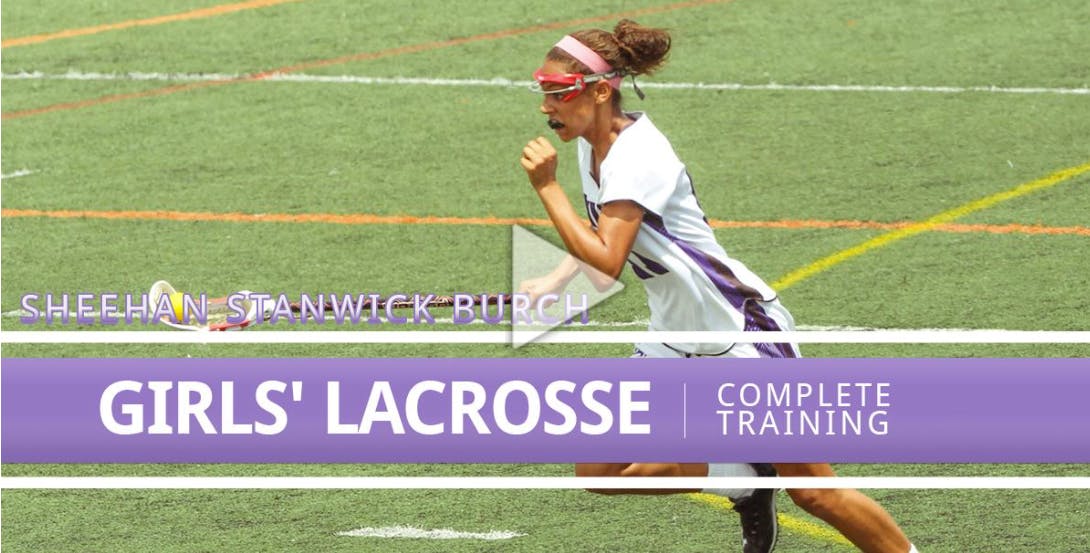
All lacrosse players know that solid stick skills set a great player apart from a decent player. Sheehan Stanwick Burch, a four-time All American women's lacrosse player and US Lacrosse Hall of Famer specializes in taking decent players and making them into great players. Burch has mastered teaching new players how to cradle with a few simple points and reminders that she covers in her course, Girls Lacrosse Drills & Tips Video Library, as well as many other key lacrosse concepts. Anybody can learn to cradle effectively, so let's dive in!

Tips to Know

Before picking up the stick and just going for it, it’s important to have some rules to reference. To cradle, you must know how to hold the stick, placement of the stick, and the motion of the cradle.

Hand Placement

Your dominant hand should be about two thirds up the stick, wherever it feels most comfortable to hold, with a strong grip. Your nondominant hand should be at the very bottom of the stick, also known as the butt of the stick, lightly holding the stick in place. Your bottom hand shouldn’t be doing much of the work, it is “just a guide.”

Position of the Stick

Coach Burch describes that the stick should be tilted enough to balance the ball upright, but not so tilted that it has the chance to roll out the back. The starting position of the cradle should be tilted on your dominant side shoulder. You should “always be a threat to score,” meaning your stick position should be comfortable and versatile enough to pass or shoot.

Motion of the Cradle

The motion of the cradling itself should be “very quick, and very tight.” Simplicity is key when it comes to an effective cradle, it is important to be able to make quick decisions while cradling, like passing, shooting, dodging, or even faking.

How and Where to Cradle
null

Once the process is understood, it’s time to cradle! The cradle should be between your shoulder and your ear. This means that the full range of motion that the cradle covers shouldn’t go any farther away from your body than your shoulder. The cradle should begin with the stick out at your shoulder, then quickly curls in towards your ear, then repeat. This ensures that the ball is protected from other players. This position also maintains the “threat to score” ability. This simple, short-range cradle saves time and energy compared to wider, more dramatic or advanced cradling methods.

Cradle with Either Hand

null

The next step after learning to cradle is to be able to do so with both hands. Coach Rachel Lenzo covers how to do this in her course, Catching, Shooting & Dodging for Girls Lacrosse. Here’s how she describes it.

To learn to switch hands, you should begin in the “triple threat position,” similar to what Coach Burch describes as being a “threat to score.” If you are switching from your right hand to your left hand, you first need to bring your bottom hand to your left side. Then, you lower your stick to your bottom hand, and switch hand positions to a left-dominant position. Coach Benzo clarifies that at no point in this switch should you only have one hand on the stick, it should be both at all times. She emphasizes the two most important steps: cross over your body, and switch your hands. Being able to cradle with both hands and protect the stick is a surefire way to become a better player.
NYSS FB Be A Role Model

Friday, June 6, 2025

US Sports Basketball: How To Teach The ‘I’ Generation of Basketball Players and #4 PACERS at #1 THUNDER NBA FINALS GAME 1 HIGHLIGHTS


  • By Grant Young

Youth basketball coaching has never been more difficult than it is today; especially when it comes to the ‘I’ Generation (the term used to describe children born between 1995 and 2012 who are growing up in the Internet age (therefore the letter I)).

With the access that these young kids have to the internet, it’s easy for them to convince themselves that they’re experts on the sport and don’t need to learn from their coaches. This, combined with the internal and external pressures that over-exposure to social media provides, makes them incredibly difficult to teach. 

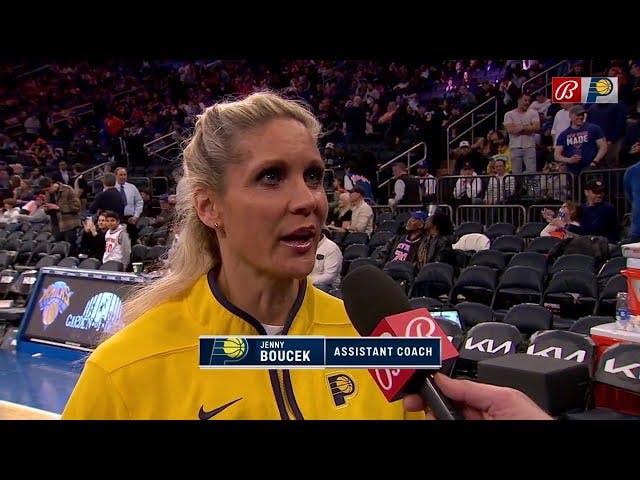
Yet, there are coaches in the basketball world who have found ways to negate these negatives that the ‘I’ Generation has grown up with. One of those coaches is Jenny Boucek.

Coach Boucek is currently an assistant coach for the Indiana Pacers. Boucek, has been on the Pacers staff since coach Rick Carlisle took over coaching Indiana in 2021. Before that, Boucek was also on Carlisle's Dallas Mavericks staff, becoming the NBA's third female assistant coach in 2017. She was on WNBA coaching staffs from 1999-2017, including three years as head coach of the Sacramento Monarchs (2007-09) and three for the Seattle Storm (2015-17). As a player, Boucek played 10 games for the Cleveland Rockers in 1997, and professionally in Iceland. She played at the University of Virginia.

When Coach Boucek isn’t helping the Pacers prepare, she’s studying creative ways to teach the ‘I’ Generation. We have pulled some insights from her ‘What You Need To Know About Coaching The `I Generation’’ course, which was recorded when Coach Boucek was still with the Dallas Mavericks and which will give you useful tips on helping the next wave of basketball talent develop.

“I Generation” - Characteristics

null

The first component of Coach Boucek’s course is detailing some of this generation’s characteristics. 

“We cannot be a great, great, elite leader if we don’t lead from a place of compassion and empathy. And we don’t have empathy if we don’t understand,” Coach Boucek says. 

She then notes how this generation is experiencing spikes in depression, anxiety, suicide, and mental health issues, more generally. And there is a direct link between how much all people (not just ‘Generation I’) spend on social media, and their depression levels. 

Furthermore, Coach Boucek then discusses how, despite how “connected” members of this generation may be, because of their heightened internet presence, they’re extremely disconnected from not only other people, but also from themselves

This is important to understand because it can allow coaches to unlock empathy when trying to teach these players. Realizing that a player’s resistance to your wisdom and other selfish tendencies on the court may be because they’re dealing with anxiety or depression. Understanding that there’s usually more to a story than what you can see on the surface (and then showing compassion toward your players) will enable them to trust you, and allow themselves to accept your words. 

Some Suggestions

Coach Boucek offers a few fantastic suggestions when trying to get this generation of players more engaged and receptive of your teaching. Here are a few: 

- No phones allowed in the locker room or on the bus.

- Invest in them individually (spend more 1 on 1 time with each of them)

Taking the time to get to know each of your players not only helps you better coach them on the court, but it will also allow you to make a bigger impact on them off the court. If you show these players that you truly care about why they are as a person, rather than a contributing member of your basketball team, they will learn to trust you more. And the only for you to do this is by making a genuine effort to get to know them better. 

- Create an environment where it’s safe to make mistakes, and where players can be honest with themselves and with others. 

- Promote communication and ownership.

One way that Coach Boucek recommends to accomplish this is by breaking them up into small groups during practice or film sessions. Once you’ve done so, give them small assignments that require them to collaborate and problem-solve together. School teachers often utilize this technique. And while you don’t want basketball practice to feel like a school session, promoting communication is a great way to bring your team closer together.

- Ask them questions before you give them solutions.

Internal Feedback - Learning From Themselves

“The more the feedback can be internal, instead of coming from you as a coach, the more effective it’s going to be.”

Coach Boucek says that any time that the feedback you’re trying to instill within your players is coming from their peers or from the drill is extremely valuable. In addition, having peer leaders who share your values, and can communicate and exemplify those values to their teammates, is also extremely beneficial. 

What Coach Boucek means by making feedback internal is that, rather than just throwing instruction or critique at your players, make them recognize the critique themselves. 

For example, if you want a player to shoot with more arc, don’t just tell them that. Instead, try challenging them to make three straight shots, with the ball touching nothing but net.

This will subconsciously force the player to shoot with more arc. And it also makes for a fun task that will facilitate enthusiasm and engagement from your players. If you can get teammates to institute these types of challenges upon each other, then the culture you’re creating will inspire the “I Generation” to teach themselves.

NYSS Twitter Focus on Fun

Thursday, June 5, 2025

US Sports Football: The Chess Match: Win on the Perimeter (Part 1) and The Chess Match: Win on the Perimeter (Part 1) and CFL 2025 Recap: Winnipeg @ Saskatchewan Preseason


The Chess Match: Win on the Perimeter (Part 1)

  • By Coach Grabowski 

In an era of spread football, it became common to hear a coach say “Bubble Screen” is my perimeter run game.  Without tight ends or wings on the field, that was definitely a sound way of getting the ball to the perimeter.

With a surge in the use of 11 and 12 personnel, the true perimeter run game is back into many playbooks and has become a staple of getting the ball to the perimeter, especially against even fronts utilizing a 7 technique defensive end, and against the highly popular odd front.

In my own experience, we initially put the play in as an answer to the odd front which was gaining popularity in what was primarily an even front conference.

Today we will take a look at the chess match involved in stopping the pin and pull and utilizing it to pick up yardage on the perimeter when defenses align to shut down the interior run.

Attack the Perimeter with Pin and Pull

Eric Marty has had success on every level, now taking his offense to the professional level for the USFL Michigan Panthers after spending 2021 as the OC at Grambling State.  He explains the rules for how they man block the pin and pull to get the ball to the perimeter here (click on image for video):

Have a Plan to Run to the Boundary

Perimeter runs would logically attack the field as there is the most space there.  However, numbers and angles can give the play an advantage to the boundary side.  Here Coach Marty explains how they approach running the Pin & Pull to the boundary (click on image for video):

Leverage and Pursuit

Jeff Dittman bases his defense out of an even front but also uses some odd front changes.  Against a TE/Wing, he loosens his Sam linebacker and plays quarters behind with a flat foot safety technique.  Sam is the force player who will have to take on crack blocks at times, and the safety’s responsibility is to make him right.  The cornerbacks, to take away the play-action posts will play inside leverage.  Coach Dittman explains it here (click on image for video):

The other element needed in any defense is a relentless pursuit of the ball.  Coach Dittman has seen more and more perimeter run, so having defensive linemen and linebackers who can run and pursue to get hats to the edge is important.  He also points out his adjustment to a nub side TE Which teams will use to attack the boundary and try to get the corner into the run fit.  He shows his defenses pursuit and alignment to a nub in this video (click on image for video):

Play Great Technique

In this example, Coach Dittman shows how they G the front.  It does create a nice angle for the tight end, but when you have a “dude” like he has, the technique of the DE can really help against the play as he defeats his block (click on image for video)

Isaac Newton’s third law of motion states, “For every action, there is an equal and opposite reaction.”  That’s true in the chess match of football as well.

Studying how a team will think about and adjust to your schemes and calls will allow you to stay ahead in the chess match that takes place on the gridiron.

Always be growing!

Coach Grabowski 

NYSS Twitter Be a Role Model 

Wednesday, June 4, 2025

US Sports Baseball: 5 Outfield Drills to Work on in Season and #4 Auburn vs NC State Regional Final 2025


5 Outfield Drills to Work on in Season

  • By Alec Burris

Developing your outfield doesn't stop in the offseason.  Continuing to work on new drills with your team during the season is crucial as injuries and fatigue begins to set in. 

Implementing new drills in practice will keep your players on their toes and constantly improving as the wear and tear of a grueling multi game week starts to affect their performance. 

Let's take a look at 5 outfield drills you can put your players through when getting ready for a big game. 

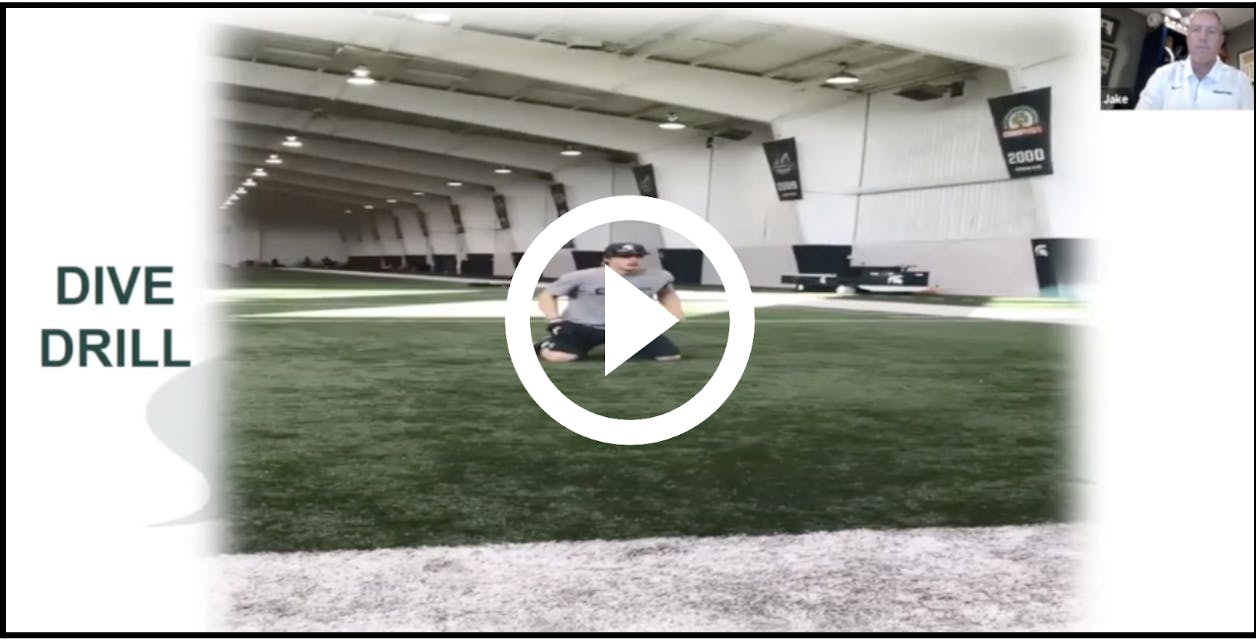
Jake Boss Jr. . was appointed the 16th head coach in Michigan State baseball history on July 1, 2008, and has quickly become one of the most successful coaches in the program’s 131-year history. Coach Boss is constantly coming up with new drills to keep his outfielders prepared for any type of ball that comes their way. In the clip below, check out his different drills including diving for fly balls and tracking angles. (click image for video).

null

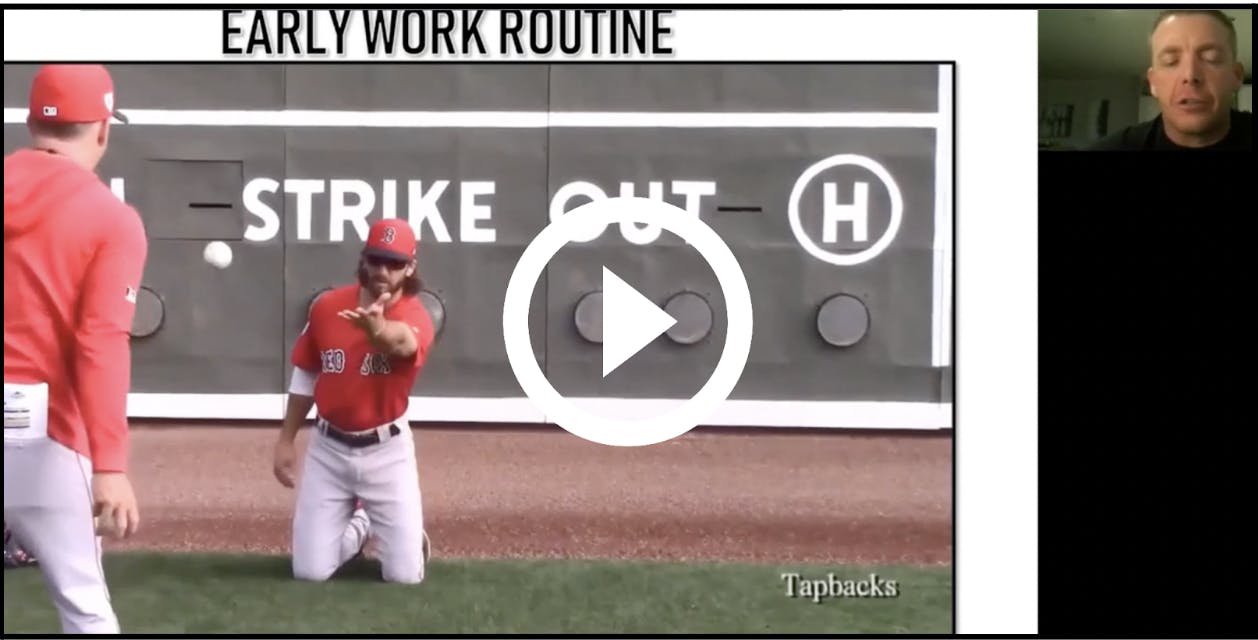
Darren Fenster became the Boston Red Sox's Minor League Outfield & Baserunning Coordinator in 2019. Coach has become known for his innovative drills and philosophies when training outfielders to get the most out of their athletic abilities on the field in game situations. One of his favorite daily drills in practice is “Tapbacks” which is done consistently right after stretches and warm ups. 

null

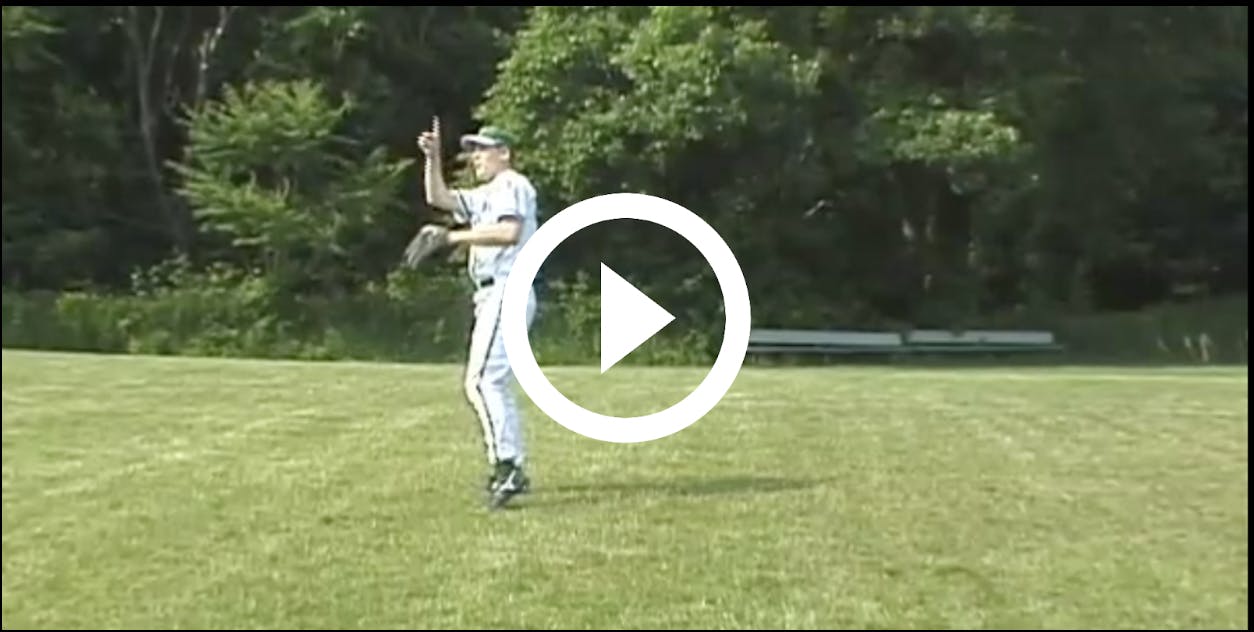
John Marshall is the former varsity baseball coach at Kinnelon High School in Kinnelon, N.J. and also played at Harvard University and then for the semi-pro Paramus Pitbulls of the North Jersey Amateur Baseball League.  He believes that footwork is the key to consistent outfield play, and is a simple but effective concept that you can work on with your players in the middle of the season. Here is a look at some of the drills he uses that can be replicated in your own training sessions. 

null

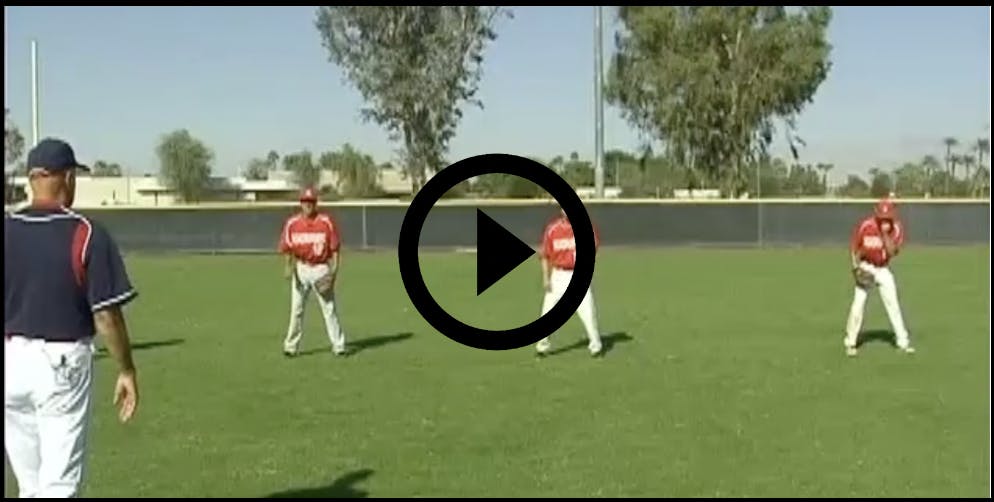
Former head baseball coach at Indiana University Bob Morgan knows all about turning your outfield into a well oiled machine. In his course "Outfield Play: The Defense's Secondary", Coach Morgan covers the  crucial components for the last line of defense including throwing grip, stance, creep steps, and proper techniques and footwork for catching the baseball. In the drill shown below, he talks about creep steps and stance techniques he worked on at the division 1 level.

null

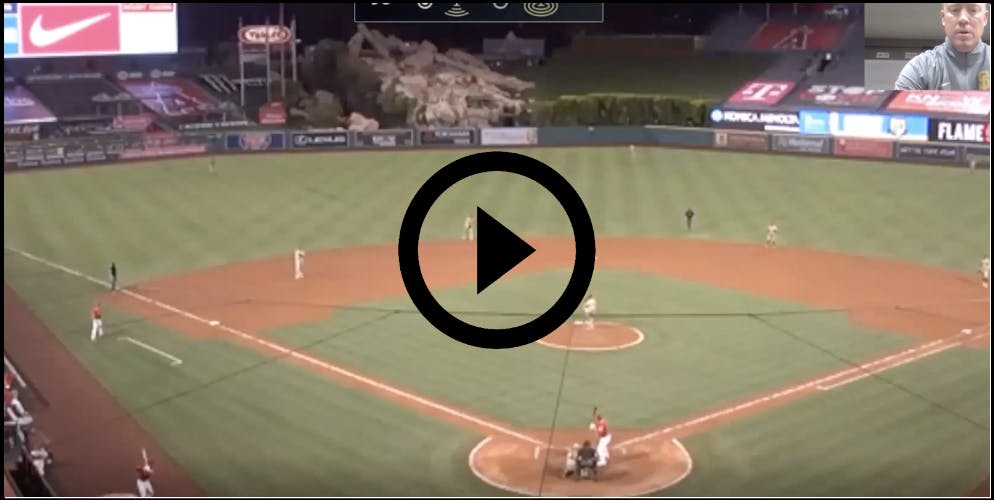
Former Detroit Tiger Kevin Hooper has preached TEAM DEFENSE since he got into coaching. His course on team defense includes things like:

Pop Fly Priority

Cuts & Relays

PFP

Pickoffs and Rundowns

Scripted Plays

Having your defense act as a single unit is key to saving runs and getting the team off the field to go hit. This clip covers the proper cut and relay drills for empty bases and a ball down the left field line. 

null

Keep in mind that a lot of outfielders rely on instinct when it comes to in-game situations they find themselves in on the field. When you continue to pump in new drills each week before the game, you are adding to their muscle memory and increasing their chances of success when the game is on the line and you are in need of a big play.

Fundamentally sound players WIN!

NYSS Stay In The Game

Tuesday, June 3, 2025

US Sports Martial Arts: Muay Thai Fundamentals: Your First Steps into the Art of Eight Limbs and Wildest First-Round Finishes In ONE History 🔥🤯


Muay Thai Fundamentals: Your First Steps into the Art of Eight Limbs

Step into the world of Muay Thai and build a strong foundation in the "Art of Eight Limbs." This beginner-friendly course is designed to introduce you to the fundamental techniques, movements, and mindset needed to start your Muay Thai journey with confidence. Whether you're looking to train for fitness, self-defense, or competition, this course will equip you with the essential skills to get started. What You'll Learn:

✅ Fighting Stance & Footwork – Learn how to position yourself for balance, mobility, and power.

✅ Striking Fundamentals – Master the mechanics of punches, kicks, knees, and elbows with proper form.

✅ Basic Defensive Techniques – Discover how to block, check kicks, and evade strikes effectively.

✅ Essential Training Gear – Understand what equipment you need and how to use it properly.

Led by the experienced Washington Dos Santos, this course combines step-by-step instruction, practical drills, and insights into Muay Thai culture and training etiquette. By the end of this course, you'll have the skills and knowledge to step into any gym with confidence and begin your Muay Thai journey. Start training today and experience the power, discipline, and excitement of Muay Thai!

The Coach

Washingthai

Washington Dos Santos

World Champion Coach

I'm Washington dos Santos –

  • a six-time Brazilian Kickboxing National Champion
  • three-time U.S. Muaythai National Champion
  • the top-ranked WCB Muaythai fighter at 175 lbs.

 NYSS Find Their Strengths

Monday, June 2, 2025

US Sports Volleyball: Dominate the Net – 5 Must-Try Drills for Pin Hitters and Mol, A./Sørum, C. vs. Ã…hman/Hellvig - Gold Match Highlights


  • By Sam DeJoseph

Swing to Deep Corners 

What You’ll Need: 

A regulation volleyball court, net, volleyballs, and a partner to toss or set for you. Get ready to bring the heat! 

Let’s Get Into It: 

Mark off each deep corner of the court using tape, cones, hula-hoops—whatever you’ve got!  These are your target zones, your bullseye. 

Start at one pin and crush the ball into the opposite deep corner. Then move to the other pin and do it again—back and forth, like a machine. As you get comfortable, ramp up the power with every swing. Your goal? Precision and power, from both sides of the court. 

Want to spice it up? 

Set a personal challenge—maybe 10 perfect hits in a row. Or better yet, go head-to-head with a teammate and race to see who can nail the most hits into the corners first. Winner gets bragging rights (and maybe the loser does pushups). 

This drill will sharpen your control, boost your accuracy, and build your confidence on both pins—so you can become a more balanced, dangerous, and unstoppable player. 

Game on.  

________________________________________________________________________________________________________________

High Ball Out of System Hitting 

One of the main things that pin hitters are tasked with is getting kills in bad situations and ending long rallies! This drill caters to that need by giving players a chance to gain the ability to hit high out-of-system sets to gain ball control and power to be a terminal player. 

What You’ll Need: 

A regulation volleyball court, net, volleyballs, and a partner to toss or set for you. Let’s Get Into It: 

Time to turn tough situations into point-scoring opportunities! Your setter starts in the middle back, launching a high ball out to the pin. As the hitter, your job is to wait it out, close to the set with control, and then bring the heat with a high, powerful swing—even when it’s not the perfect setup. 

This drill is all about making something out of nothing. Master your timing, adjust your footwork, and become the kind of hitter who scores when it really counts. DON’T HIT TO  ZONE 6!!! 

 Level Up the Challenge: 

Dial in your accuracy—pick a zone before you swing and hit it with purpose! Want even more of a test? Throw a blocker in your face and learn to tool the block, hit around it, or go high hands to make your shot count.

Being great isn’t about perfect sets—it’s about what you do when things get tough. This drill builds your confidence, your vision, and your ability to deliver under pressure. Become your team’s go-to in the chaos.

________________________________________________________________________________________________________________

Transition Hitting 

Every hitter will need to be able to be effective in transition to be great, This fast-paced drill will prepare you for in-game action! 

What You’ll Need: 

A regulation volleyball court, net, volleyballs, and a partner to toss or set for you.  

Let’s Get Into It: 

Start up at the net like you're about to shut down a hitter—hands up, eyes locked in. The moment you hear the smack of the ball on the other side, explode off the net with three quick,  powerful steps backward—this is your backwards approach into attack mode. 

Your setter is waiting. As you plant, they’ll toss or set the ball—then it’s go time. Swing hard,  swing smart, and keep moving. The drill is fast-paced—reps come one after another, so stay light on your feet and ready to fly!

This drill sharpens your transition footwork and builds your ability to hit effectively off the net, just like in a real game. 

Level Up the Challenge: 

Aim to hit every zone on the court—line, cross, deep corner, and short tip. Make it a game: 

- 3 clean kills in a row 

- Hit all 6 zones before you stop 

- Race a teammate to complete the challenge first 

Push your speed, precision, and power. Become the transition hitter no defense wants to face.

________________________________________________________________________________________________________________

3 Shot Sequence 

All hitters need to have a deep bag of tricks that they can go into throughout a game. Whether this is crushing a ball, tipping it short over the block, or having a super good roll shot, there are many ways that great pin hitters will score. The aim of this drill is to develop your ability to score in many ways. 

What You’ll Need:

A regulation volleyball court, net, volleyballs, and a partner to toss or set for you. 

Let’s Get Into It: 

Start in your normal attacking position, locked in and ready to strike. Your setter will toss or set you a ball—go off! Choose any attack you want: a full-power swing, a sneaky tip, a crafty roll shot, or even a bold opposite-hand smack. Once you land, don’t stop—the next two balls are coming fast! 

You’ll get three attacks in a row, and each one should be a different shot. Mix it up, keep it unpredictable, and work on being the kind of hitter defenders hate to read.

 Level Up the Challenge:

Make it tougher (and more fun!) by setting up target zones on the court—cones, hoops, tape,  whatever works. Try to land each of your three attacks in a different target. This pushes your accuracy, creativity, and court awareness to the next level. 

This drill trains you to get your feet to the ball and build a killer arsenal of shots, so you can score from anywhere, at any time. Get versatile, get dangerous, and get ready to dominate the net! 

________________________________________________________________________________________________________________

Pass/Dig to Swing 

One of the BIGGEST keys to being an elite all-around pin attacker is mastering the art of transitioning from passer to powerful hitter — and this drill is your ticket to leveling up!


What You’ll Need: 

A regulation volleyball court, net, a few volleyballs, court tape, and a partner to toss or set to you. Bonus points if you’ve got a block or full defense to test your skills! 

Drill Breakdown: Let’s Get Moving! 

Start by taping out your transition pathway on the court:


- Straight line for your shuffle after the pass. 

- Slanted line for your explosive approach into the hit. 

Think of it like a runway for your attack!

After each pass, explode off the line, plant, and attack with INTENT — whether it’s a high-powered swing, a deceptive tip, or a cheeky roll shot. Gradually increase the tempo of both your approach and the set to simulate real game speed! 

 Crank Up the Challenge: 

- Pick your target zones and try to nail them consistently — don’t just hit, place with purpose

- Add a blocker and practice hitting around or tooling the block like a boss. • Have extra players?

Run it live with a defense and test your decision-making under pressure! 

Why It Matters: 

This drill is your game-changer. It trains your body to react quickly and efficiently, helping you become a lethal threat on the pin. With clean footwork and killer shot selection, you’ll be unstoppable from both serve, receive, and defense. 

Now go own that court and turn every pass into a point!


If you want to level up your game as a hitter or want more volleyball drills, check out Play Better Volleyball Hitting featuring Coach Santiago Restrepo! This is a great clinic that will allow any player or coach to up their game to the next level!

NYSS Find Their Strengths 

Sunday, June 1, 2025

The Rock Almighty: America Has A Choice To Make And Train Your Children, The Rewards Are Heavenly


Listen on Apple Music

  • Author Edward Mrkvicka

The First Amendment of the Constitution states: "Congress shall make no law respecting an establishment of religion, or prohibiting the free exercise thereof; or abridging the freedom of speech, or of the press; or the right of the people peaceably to assemble, and to petition the Government for a redress of grievances."

The genesis and purpose of the First Amendment, as it pertains to religion, was to protect people and churches from the State, not the other way around. But the Christian underpinnings of America can not be allowed to stand if the Left is going to reach its objective of making America a godless nation that places man’s baser instincts above the holy Word of God.

The end result? No-fault-divorce, abortion, gay marriage, all manner of financial support for those who can but will not work, schools that no longer teach but rather indoctrinate, and another generation of statists who believe free higher education, a high paying job, and a luxury home are "rights." And the list goes on.

Through an evolution pursued by liberal Progressives and sanctified by a Supreme Court that all too often plays politics, the clear intentions of our Founding Fathers has morphed into "the separation of church and state," a phrase not found in the Constitution.

The hypocrisy of the Left is mind-numbing. They demanded the State neuter Christians, and then turned the Constitution on its head to do so. Hence we have the invention of subjective "hate speech" that discourages pastors from speaking the Word of God from the pulpit on subjects like homosexuality. This denies our right to free speech and exercise of our religious beliefs.

Worse yet, while they are demanding to be "shielded" from our country’s Christian foundation, they, in contradiction to the First Amendment, have imposed a religion on the rest of us. It’s called secular humanism. They are as devoted to their "religion" as we are to ours. We worship at the altar of Almighty God. They worship at the altar of the State.

There is a dynamic confrontation taking place and in the balance is the future of our country. We are at a critical juncture, in every sense. For instance, even most of those on the Left have to admit now that we can no longer sustain the financial irresponsibility we have wallowed in all these many years. What they have trouble admitting is that our tenuous position is in large part because of their quasi-socialist beliefs, one of which is to remove God from every fiber of the tapestry that spells A-m-e-r-i-c-a.

Whatever direction we choose, we must choose. As the Bible correctly notes, "No one can serve two masters; for either he will hate the one and love the other, or else he will be loyal to the one and despise the other. You cannot serve God and mammon." (Matthew 6:24 NKJV)

When I was a child back in the fifties we were taught right from wrong. Now children are taught that the world is made up of gray areas. Such muddling allows secular humanism to trump the Word of God, which then allows all manner of perversions as well as the death of common sense. Making the point, government strongly encouraged, and ultimately demanded that banks make housing loans to virtually everyone, some of who had no job. Even worse, in some cases the mortgages were in excess of the home’s value.

Common sense says you can’t make immediately underwater loans to people without the ability to repay without substantial negative repercussions - but our government said not to worry, they would insure any loss. Citizens bought the lie, forgetting that we are the government, so the government’s loss is our loss. This is a classic example of robbing Peter to pay Paul.

So with bailout after bailout we’ve mortgaged our future with nothing to show for it, except a debt that cannot be paid -- and never will be. Yet the Bible says, "Owe no one anything except to love one another, for he who loves another has fulfilled the law." (Romans 13:8) If only we had listened to God!

This, of course, is only one example of what happens to a nation that turns its back on the teaching of the one true God. It is ultimately destroyed.

How sad that we have stood by and let God be banished from what was once our proud Christian nation. How hypocritical that we call on Him when disaster strikes, as we did in the aftermath of 9/11.

Some may say that we have not turned our back on God. But that false claim can be made only by a secular humanist with an agenda. For the rest of us, the standard is simple and direct and disposes of the "gray-area" theory that we’ve come to embrace. Jesus said, "He who is not with Me is against Me, and he who does not gather with Me scatters abroad." (Matthew 12:30) America is either with the Lord or we are against Him. We cannot be lukewarm on this. America cannot set God aside, to be used only in an emergency, for if we do we become His enemy by not standing with Him 24/7.

America, as the Bible suggests, is being "scattered abroad," and it’s because we have made the wrong choices. Thankfully God is lovingly longsuffering -- "The Lord is not slack concerning His promise, as some count slackness, but is longsuffering toward us, not willing that any should perish but that all should come to repentance." (2 Peter 3:9) But while the Bible says no one knows when the end will come, we are, in the meantime, playing Russian-Roulette with this country that we love so dearly.

Ask yourself this: Is it better for America to be with God or against Him?

Edward Mrkvicka is an award winning Christian author, lay minister/counselor, and lifelong Bible student.

His newest book, "The Prayer Promise of Christ," has been named Christian Book of the Year by Books & Authors.net.

His web site is located at: www.EdwardFMrkvickaJr.com

 National Youth Sports Strategy