The Anterior Cruciate Ligament (ACL) is the most commonly
torn of the four main ligaments of the knee. The other three being
Posterior Cruciate Ligament (PCL), Lateral Collateral Ligament (LCL),
and Medial Collateral Ligament (MCL). The word “cruciate” in these
ligaments comes from the way that the ACL and PCL form a “cross” on the
inside of the knee joint, working together to provide stability for the
knee. These four ligaments are primarily responsible for providing
stability and support to the joint during physical activities. The ACL
primarily prevents excessive movement forward and rotation of the knee.
An ACL tear is a common, yet serious injury that can significantly
impact an individual’s activity level, with a huge financial and time of
recovery burden that can affect quality of life. This article delves
into the intricacies of an ACL tear, its causes, symptoms, and the
journey toward recovery.
Anatomy of the ACL
Positioned in the center of the knee, the ACL connects the femur
(thigh bone) to the tibia (shin bone), preventing the tibia from sliding
out in front of the femur (hyperextension) and providing rotational
stability to the knee.
This ligament is pivotal to stabilize the knee during dynamic
activities that require sudden changes in direction, jumping, or halting
motions.
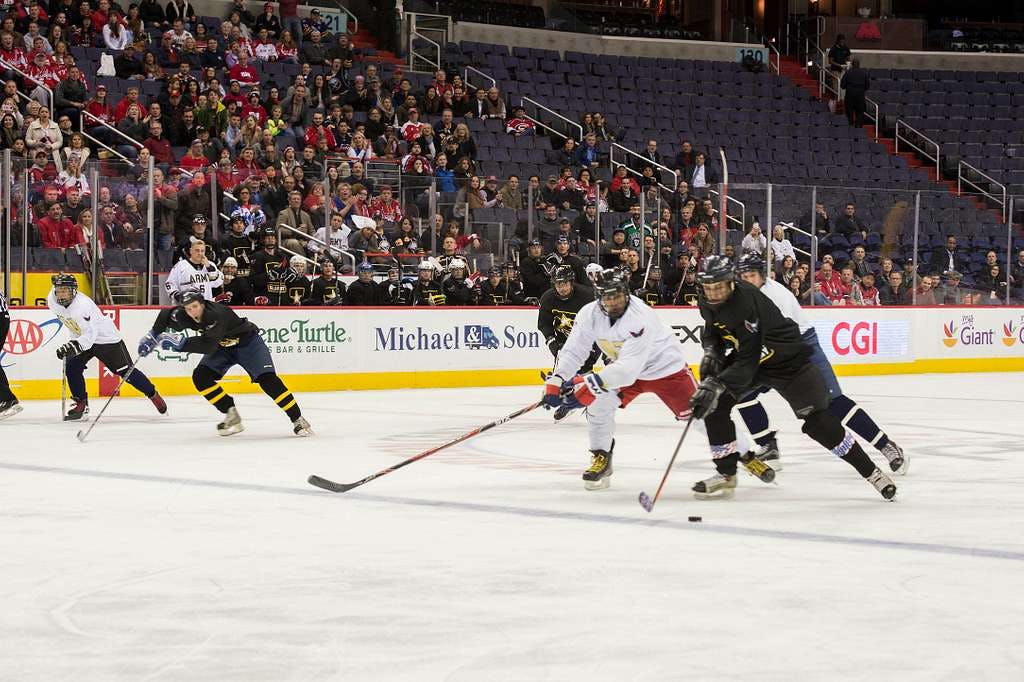
Therefore, ACL injuries can happen in virtually any sport, but are commonly associated with the following sports:
Basketball, Soccer, Lacrosse: Quick pivots, jumps, rapid directional
changes, sudden stops, and collisions, make players more susceptible to
ACL injuries
Football: The contact nature of football and similar lateral/cutting motion required, puts players at a high risk
Skiing: The fixed nature of ski boots can place a lot of strain on the knees during falls or sudden movements
How an ACL Tear Occurs
An ACL tear often occurs during activities that put stress on the knee. The primary mechanisms leading to a tear include:
Pivoting Movements: When the foot is firmly planted and the knee
turns sharply, the ACL can tear if the movement is beyond the ligament’s
tensile strength.
Sudden Stops: Abruptly halting motion can force the knee beyond its normal range, overstressing the ACL.
Direct Impact: A direct blow to the knee, often seen in contact sports, can result in an ACL rupture.
Improper Landings: Landing from a jump with the knee hyperextended or bending inward, can cause the ACL to give way.
You can also check this detailed explanation of the anatomy of a knee joint to better understand how the ACL functions:
Other Causes of ACL Tears
In addition to the sports-related causes of ACL tears, it’s crucial
to recognize that these injuries can also occur in various other
circumstances. It’s important to note that there are both contact and
non-contact causes for these injuries. This distinction is significant
because up to 70-80 percent of all ACL tears occur without direct
contact with an opponent.

Approximately 50 percent of non-contact tears are potentially
preventable, so the focus on injury prevention programs becomes
paramount. These programs, when applied consistently, can not only help
prevent ACL tears but also guard against other lower extremity injuries,
such as ankle sprains. Their role in safeguarding athletes and
individuals engaged in physical activities cannot be overstated, as they
offer a proactive approach to maintaining knee health and overall
physical well-being.
ACL Injury Rates and Gender Disparity: ACL injuries are most
prevalent among individuals aged 15 to 45. While more ACL injuries occur
in sports played by men because of shear numbers of athletes, women are
at a higher risk of sustaining these injuries. Women are 2-7 times more
likely to tear their ACL than their male counterparts at the same age.
This difference is highlighted in high school sports, where the rate of
ACL tears in basketball is about 5.5% for males and a striking 26.5% for
females. In soccer, the disparity is even more pronounced, with 7.2%
for males and a staggering 53.2% for females experiencing ACL
injuries.
Sports with High ACL Injury Rates: Among various sports, girls’
soccer has the highestACL injury rate, followed by boys’ football.
Basketball for boys also shows a significant rate of ACL injuries.
Interestingly, the injury rates are higher during competition compared
to practice, indicating the role of intense, competitive play in these
injuries.
Factors Contributing to Higher Injury Risk in Females:
The higher percentage of ACL tears in female athletes can be
attributed to several factors. For instance, females have a smaller ACL
and narrower attachment, making it easier to tear. They also have a
greater hip-to-knee angle, which affects the alignment and mechanics of
the knee joint. Additionally, women generally have less optimal
quadricep to hamstring ratio of strength which is crucial for knee
stability. Also, hormonal differences between biological men and women
play a role in making females more prone to an ACL injury.
Burden of ACL Tears:
The financial burden of ACL injuries is substantial, not only due to
the immediate medical costs but also considering the long-term
implications such as the potential need for surgery and rehabilitation.
ACL injuries nationwide are estimated to cost 7.6 billion dollars per
year. These injuries have far-reaching impacts, affecting the athlete’s
performance, career longevity, and even their quality of life
post-recovery. The management of ACL injuries, therefore, remains a
crucial aspect of sports medicine, emphasizing prevention, early
diagnosis, and effective treatment strategies.
The moment of injury is sometimes accompanied by a ‘popping’ sound,
usually followed by immediate pain and swelling. Athletes may describe a
sensation of the knee ‘giving out’ beneath them.
Symptoms of an ACL Tear
Symptoms vary with the degree of the tear. The ligament may be
partially torn or fully ruptured. The severity of the symptoms also
depends on other injuries connected with the ACL tear. For example, when
the athlete tears the Medial Meniscus and Medial Collateral Ligament
(MCL) along with a complete ACL rupture, it is called the “Unhappy
Triad”.
Pain: The intensity can range from no pain to severe, often causing significant discomfort.
Swelling: Rapid onset of swelling is common, usually developing within the first 24 hours after the injury.
Instability: A feeling that the knee cannot support the body’s weight
or may buckle under pressure. Sometimes, the athlete will hear and feel
a “pop”.
Limited Movement: The knee’s range of motion may be reduced due to pain and swelling.
Altered Walking Pattern: The individual may be unable to bear weight
on the affected leg, or have a feeling of instability in the affected
leg, leading to limping.
Diagnosing an ACL Tear
An accurate diagnosis begins with a thorough medical history and
physical examination, followed by imaging tests like MRI, which can
provide detailed images of the knee’s internal structures. Do not
attempt to self-diagnose ACL issues. Always seek professional medical
advice.
The treatment of an ACL tear depends on several factors, including
the severity of the injury, the patient’s age, activity level, and
overall health.
Treatment strategies include:
Conservative Management: For less severe tears or patients with low
physical demands, physical therapy focused on strengthening the muscles
around the knee may suffice.
Surgery: Reconstructive surgery is often recommended for individuals
who wish to return to an active lifestyle. This involves replacing the
torn ligament with a graft taken from another tendon in the patient’s
body or a donor.
Post-Treatment Rehabilitation
Recovery from an ACL injury, particularly after surgery, is a lengthy
process that can take several months. A structured rehabilitation
program is crucial for a successful return to previous levels of
activity.
This program typically includes:
Pain and Swelling Management: Using ice, compression, and elevation to control swelling and pain.
Physical Therapy: Graduated exercises to restore the knee’s range of
motion, strength, and stability. To help with swelling and pain
management and facilitate brace management as well.
Bracing: In some cases, a knee brace may be used to provide extra support during the healing process.
Activity Modification: A gradual return to sports or physical
activities, often under the guidance of a physical therapist or athletic
trainer.
The best case to return to pre-injury level of activity or sport
should be at least 9 months to one year post injury. Rushing this time
frame often results in a retear or secondary injury. Return to sport
testing should be comprehensive prior to the release to play the sport
again. The athlete should be supervised with a very gradual return to
sport schedule.
The Risk of ACL Reinjury is High for Those Under 25
The reinjury rates for ACL tears vary based on several factors,
including age, activity level, and whether the individual has returned
to sports post-reconstruction.
For individuals of all ages who underwent ACL reconstruction, about
7% experienced reinjury to the same ACL, and 8% injured the opposite
side. However, younger individuals(under 25 years old) and those
returning to sports face higher risks. In those under 25 years old, the
rate of another ACL injury was 21%, with 11% involving the opposite
knee. The reinjury rate for individuals returning to sports was 20%,
with 12% affecting the opposite knee. The risk was even higher for
individuals under 25 years old returning to high-risk sports, with a
reinjury rate of 23% and 12% affecting the opposite knee.
Additionally, a study mentioned in Sports metrics reported that 30%
of patients sustained non-contact re–injuries, tearing either their ACL
graft or the ACL in the contralateral knee within 2 years of surgery.
The rate of a contralateral ACL injury was significantly higher than the
rate of ACL graft injury (20.5% vs. 9%).
These statistics underscore the importance of careful rehabilitation
and a cautious approach to returning to sports after ACL reconstruction,
especially for younger athletes and those engaged in high-risk sports.
Prevention of Future Injuries
After an ACL tear, the risk of re-injury is a significant concern. Prevention strategies focus on:
Neuromuscular Training: These are exercises connecting the brain to
the muscles in the lower body. Exercises to improve balance, proper
landing techniques, and knee stability. Pre-season testing to measure
baselines in mobility, strength, balance, and form. We can look for red
flags and address deficiencies and in turn reduce the number of lower
extremity injuries.
Strength Training: Building the muscles in the legs, hips, and core can provide better support to the knee.
Education: Understanding the mechanisms that lead to ACL injuries is vital for athletes, coaches, and fitness enthusiasts alike.
A gradual, calculated, and supervised return to sport is very important.
The Psychological Aspect
The journey to recovery is not solely physical. The psychological
impact of an ACL tear can be profound, with individuals experiencing
frustration, anxiety, or even depression due to the sudden change in
their active lifestyle along with the longevity of return to sport.
Mental health support, along with the physical rehabilitation process,
is essential for a holistic recovery.
Final Thoughts
An ACL tear is a complex injury that requires a comprehensive
approach to treatment and rehabilitation. Understanding the anatomy of
the knee and the mechanism of the injury, recognizing the signs and
symptoms of an ACL injury, and following a structured recovery program
is paramount for a successful return to physical activities.
With proper management and preventive measures, individuals can not
only recover from an ACL tear but also minimize the risk of future
injuries, ensuring long-term knee health and stability.