Now Streaming On US Sports Radio!

US Sports Net Today!


Live Play-by-Play, Updates, Highlights and More! on US Sports Network!
[Chrome Users-You may have to click on the play button twice to listen]
US Sports Network Powered By Gorilla Sports!


US Sports Radio
The Las Vegas Raiders Play Here
Fitness and Sports Performance Info You Can Use!
The Scoreboard Mall
The Rock Almighty Shaker Of Heaven And Earth!
The Coolest Links In The Universe!

Wednesday, October 15, 2025

US Sports Lacrosse: Elite Women’s Lacrosse Shooting Tactics and Every Atlas Cup Goal Scored By the USA Women's Sixes


  • By Avery Hixson
  •  

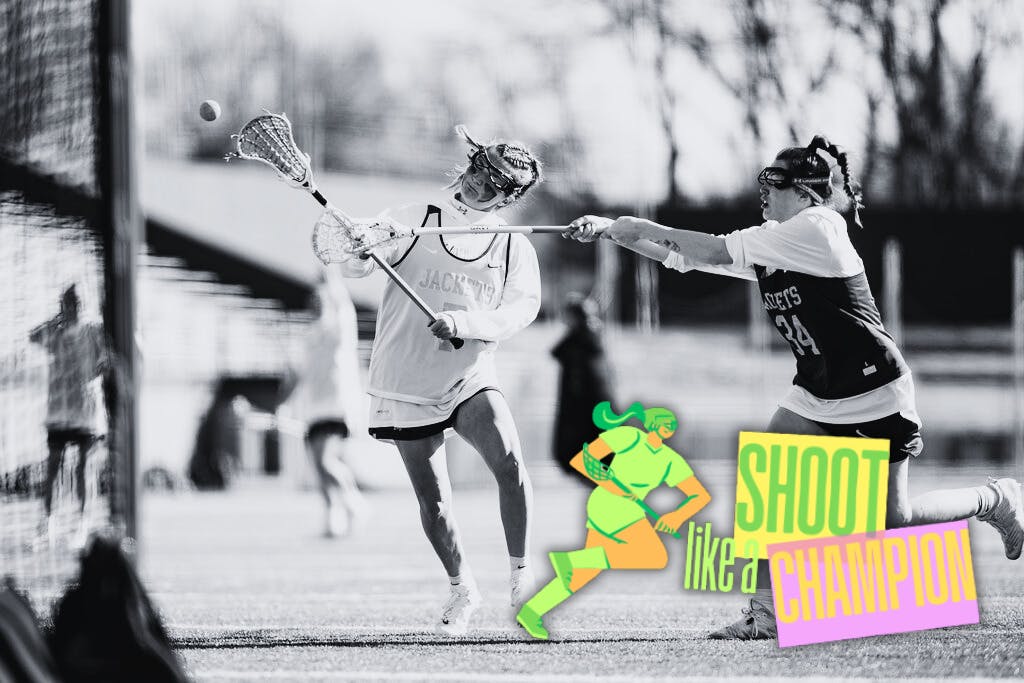
If you’re coaching girls' or women’s lacrosse and want your offense to start putting more points on the board, it all starts with smarter shooting. These unique strategies taught by seasoned professionals will give even the best players a better chance at improving their shooting skills. These strategies are easy to integrate into practice and effective at every level of play. Whether you're working with players who are seasoned shooters but want unique skills, or elite players just entering the attacking scene, new shooting techniques can give your players the tools to score with confidence. These shooting methods are game changers for players looking to step their game up to the next level.

The best way to improve specific skill sets is to learn from a seasoned professional, and Coach Jamie Munro is surely an expert in the field of lacrosse shots. In his time playing for Brown University, Munro used his shooting skills to score a whopping 152 points. Additionally, he coached a D1 women’s lacrosse team and started his own lacrosse company.

Coach Munro shares a treasure trove of women’s lacrosse skills in his ‘Women’s Lacrosse Skills Master Classer Class’ program, ranging from, but not limited to footwork drills, cradling tactics, defensive strategies and elite-level shooting techniques. Listed below are the two of the most foolproof lacrosse shots that will leave defenders and goalies stunned. 

Fade Shot

Firstly, the fade shot is mainly characterized by the backwards step sequence following the shot on goal. However, it is much more than that. Coach Munro describes this shot in a few simple steps when broken down. These are “dodge in, step back, and hammer the shot.”

Dodge In

The first step, dodging, is by far the most complicated step of this shot. The clip above shows a simple split dodge, where the player starts off running away from the goal, then plants a foot towards the goal, split dodges, and pivots to where they are facing the goal. The reason this step is so complicated is that the dodge must be executed dramatically and effectively to successfully gain space from your defender. To improve the effectiveness of a split dodge, the planting of the foot needs to be quick and sharp. Once this quick step is complete, the next focus is the shot itself.

Step Back

Before you can rip the shot, the split dodge must be completed with the actual “fade” of the shot. After you have successfully pivoted towards the goal and dodged, you begin to jog or “fade” backwards as you wind up the shot. A complication to this step is the possibility of gaining a “shooting space” call according to women’s lacrosse rules. If a defender is within a stick’s length of the shooter when the shot is released between the shooter and the goal, the referee can call “shooting space” which results in an 8 meter shot for the offensive player. This can either be a good thing or a bad thing depending on the outcome of the original shot. This complication is a large factor to keep in mind during the “Step Back” step.

Hammer the Shot

The final step is the most fun and the most important. Once you have separated from your defender and executed the dodge, it’s time to execute your shooting skills and deliver a precise shot to the goal. Obviously the shot won’t always be perfectly placed, but practice and repetition of the fade shot can ensure higher accuracy with every attempt.

Face Dodge Finish
null

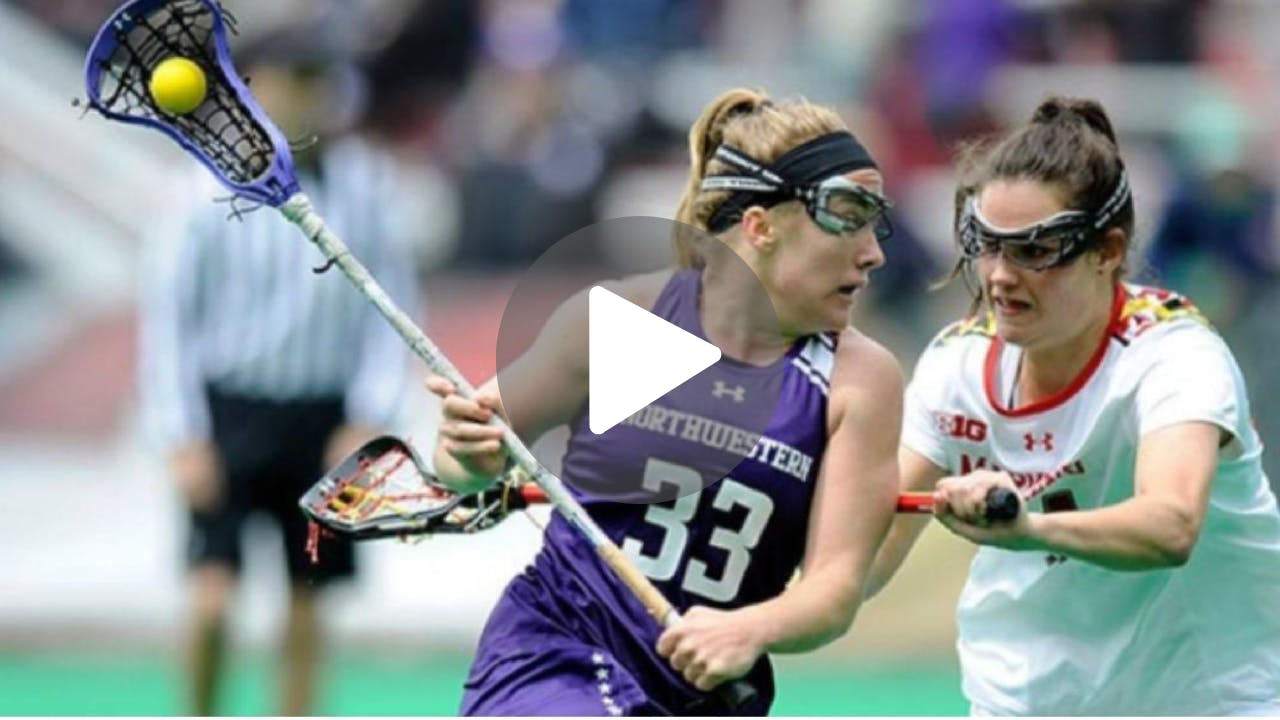
The face dodge is a simple concept that every offensive player should know, but many overlook due to its simplicity. The face dodge is when a player dodges a defender by planting their foot and stepping to their offhand side while simultaneously cradling their stick dramatically over to the offhand side, mimicking a hand switch or a direction change, and then swiftly switching back to the leading foot and dominant hand. This dodge effectively fakes out a defender, but Coach Munro’s example specifically explains how this dodge fakes out goalies. The dramatic offhand switch causes the goalie to reach over to the opposite side to block the shot, which opens up the other side for a shot. Here are some of Coach Munro’s key tips while executing the face dodge finish.

The Reach

The part of this dodge that makes it so successful against goalies is utilizing the open side of the goal when the goalies inevitably steps to protect the side that you dodge towards. To have the best chance at making it into this crucial space, you need to reach your stick to the open side before releasing the shot. While releasing the shot, you should be positioned in a sidearm-style way, which creates more angle and more reach. This ensures that you have the highest probability of beating the goalie and placing your shot correctly.

Twister Method

The method of “twistering” the shot is basically the opposite of the reach. This method is where after switching back to your dominant hand following the face dodge, you bring your stick back over to your nondominant side and fire off the shot almost above your head, dunking it between the goalie and the pipe of the goal above their vision level. This approach is more complicated than the reach, but can be more advanced and more undetected by goalies.


Tuesday, October 14, 2025

Louder With Crowder on US Sports Radio


Louder With Crowder

Trump is Winning so Big Even The Left Can't Deny It Featuring Jason Calacanis of the All In Podcast
Now streaming on US Sports Radio
https://bit.ly/USSportsRadioNow
http://www.USSportsRadio.net

US Sports Partner Spotlight: Ticket Network


College Basketball Tickets

https://tinyurl.com/TicketNetworkCB

Video credit:
Bleacher Report
Up your sports fandom with the Bleacher Report app – fast sports alerts, sports scores, & exclusive content covering your favorite teams.
@ Apple - https://apple.co/4aeBaoJ
@ Amazon - https://amzn.to/3WDvC16

US Sports Radio affiliate partner
http://www.USSportsRadio.net

The Rock Almighty Devotional. Christian! Answer The Call.

Reign Radio


Saint Mark Chapel ceiling, Marksburg Castle, Germany. Photo by Charles F. Stanley.
Daily Devotion

Understanding Your Call

Believers follow Jesus—even when they don't like where He leads. 

From Intouch Ministries

October 14, 2025

Mark 8:34-35

The title of Christian is one that is claimed by many people, but only those who have trusted Jesus as Savior can call themselves “believers.” Fewer still can consider themselves to be true “followers” of the Lord.

Are you a believer or a follower? Let’s examine the difference. Trusting in Jesus is fundamental, but doing so is the first step, not the culmination, of our faith. Our primary purpose is to take a lifelong journey following Christ, honoring Him with our actions and speech, and increasing in biblical wisdom.

A follower’s life is marked by obedience. In fact, Jesus defined true Christians as those who prove their love for Him by keeping His word (John 14:23). That doesn’t mean followers never make mistakes, but their goal is to remain faithful to the Lord’s plan whether doing so is easy or hard. Not only that, but they try to proclaim Him in times of blessing or calamity and will go—even when they don’t like where He leads.

Followers pursue the Lord because they know that the reward is a deeper relationship with Him. They are not just waiting to spend eternity with God in heaven. They realize that His kingdom is already present, something to be enjoyed here and now as they accompany Him on the righteous path He’s set before them.

Bible in One Year: Mark 3-5


US Sports Basketball: Three Elite Drills to Begin a Basketball Practice With


  •                                                       

    By Grant Young
  •  

Practice is one of the most vital parts of any team's success. A basketball practice or training session is designed to help you address your players' weaknesses, improve their weaknesses, sharpen their strengths, and push them outside of their comfort zone so that you as a coach can advance and develop them into greater players. 


Basketball players can learn quickly, but to master the skills they must practice constantly. It is a known fact that if you practice something every day then you'll eventually get better at it over time. 


Through repetition, basketball drills help players improve their skills. When players practice basketball drills consistently and with the right technique, they develop muscle memory and good habits that can be useful in game situations. 

And few basketball coaches know effective drills better than Michael Fly. 

Coach Fly is in his first season with the Mizzou men’s basketball program as the team’s Director of Scouting and Analytics.

Before joining the Mizzou Tigers, Fly served as head coach at Florida Gulf Coast University from 2018 to 2022. During his tenure at FGCU, he led the Eagles to the third-most wins in a single season in the program’s history with 22 victories during the 2021-22 campaign. FGCU also set school records for non-conference wins, 3-pointers made, 3-pointers attempted, blocks per game, and total blocks in a season.

Overall, Fly recruited and developed two Atlantic Sun Newcomer of the Year award winners in addition to the conference’s Defensive Player of the Year during the 2021-22 season. 

Coach Fly knows how important establishing good practice routines is for getting his players to consistently perform.  This is why he has developed drills to help players get into rhythm at the start of practice. 

In his ‘My Favorite Warmup Drills to Start Practice’ course, Coach Fly breaks down each of his favorite beginning practice drills in detail, including how to run them effectively for your own team, making actual practice that much more effective and impactful.

6 Minute Shooting

Coach Fly notes that once his team is warmed up, they almost always start practice with some sort of shooting drill. 

A favorite of his is called ‘6 Minute Shooting’, which is a simple yet effective drill that is proven to improve players’ shooting. How it works is that Coach Fly suggests setting a six-minute timer and having his players practice midrange jump shots around the elbow or the top of the key. 

A good strategy here would be to have players get in a line, have players grab their own rebounds after their shot, and then pass to the player in the front of the line, to mitigate chaos and ensure that all players are getting the same amount of shots up during those six minutes. 

After about three minutes of this drill, the players who are truly a threat to shoot and make three-pointers in a game will back up behind the three-point line while the post players are still shooting midrange shots. 

Coach Fly loves this drill primarily for the psychological benefits. With college and younger-aged players, seeing their shot go through the hoop — especially at the beginning of practice — is a great confidence boost. This is why Coach Fly refers to this 6-minute drill as a “sneaky way to get a bunch of shots up and get players feeling good,” and is a staple drill that he returns to multiple times per week to start a practice. 

Cone Shooting

null

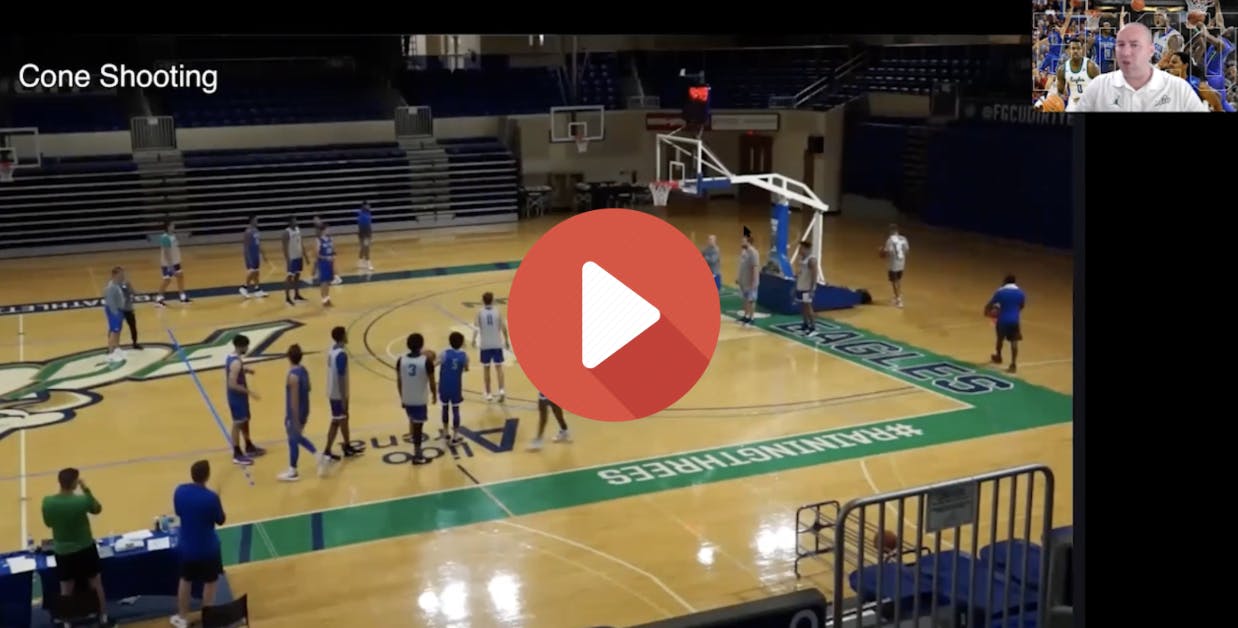
Another basketball practice warmup drill that Coach Fly swears by is what he calls the ‘Cone Shooting’ drill. 

This drill will start with your players dividing into two lines at each wing. From there, the player at the front of one line (who doesn’t have a ball) is going to cut to the elbow or around the free throw line. The player in front of the other line (who is holding a basketball) will deliver a bounce or chest pass to that cutting player. From there, the player will either take a jump shot or dribble and penetrate into the paint for a layup. 

After making that initial pass, the player who did so will then cut to the middle in the same way and receive a pass from a player in the other line. In other words, each player will start the drill by being a passer then will cut and become the shooter after that. 

The shooter will grab their own rebound and pass it back in the line from the same place they came from, then will head to the back of the other line. 

Because this drill gives the players the freedom to work on their specific finishing moves, it allows for a lot of customization, and each player can tailor this drill to their specific skill set. 

Defensive Stations

While shooting drills are an important part of getting players ready for practice, defensive drills are also integral.

And Coach Fly’s Defensive Stations drill is a great one that should get your team in a mindset to compete and perform on the defensive end of the floor. 

This drill starts by dividing the team into three different sections (or stations), and placing them at three different hoops around the court you’re playing at. 

From there, you will have each station working on something different as it pertains to your team’s defensive philosophy. For example, one station can be focused on switched during a pick-and-roll scenario, another can be closing out on a jump shooter without fouling, and a third drill can be for anything that a coach wants to focus on in their team’s next game. 

This drill affords a ton of flexibility for coaches and creates a way for assistant coaches to get involved in practices. 


Monday, October 13, 2025

US Sports Football: Easy QB Runs to Drive Defenses Crazy and Las Vegas Raiders vs. Tennessee Titans Highlights


  • By Ryan Eisenberger
  •  

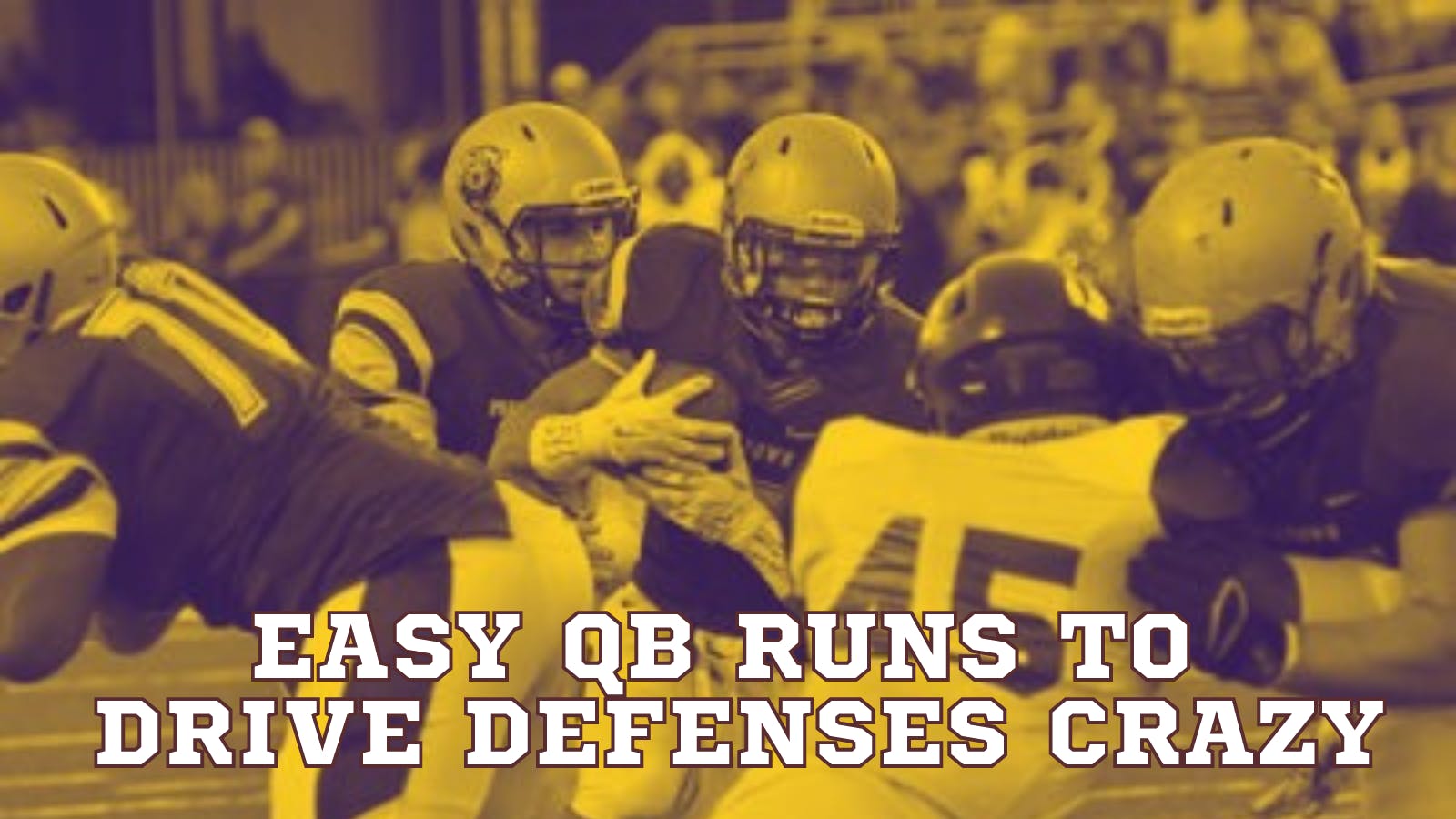
To run the QB or not to run the QB? That is the question many coaches face. Should we risk extra hits on our most important position or not? Believing the benefits of running your QB outweigh the risks, Marcel Quarterman presents three easy QB runs to install and score more points.

Quarterman gives 5 reasons to run your QB but his first is best: more ball carriers for the defense to defend. If the defense needs to account for the threat of the QB run, more passing options and running lanes open up. Quarterman utilizes three easy runs: Inside Zone Bash, Pin and Pull, and QB Draw.

Inside Zone Bash

The offensive line blocks exactly how they would for a normal inside zone, so no matter what inside zone blocking rules you use, this play can be installed today! With the inside zone, defenses begin keying on the alignment of your RB to predict where you will run. The Bash tag helps thwart that issue.

Pin and Pull

The Pin and Pull rules are simple: first uncovered between the play side Guard or Tackle is first puller and the Center is always the second puller. Everyone else blocks down. Deciding who pulls between the Guard and Tackle depends on the DT alignment: head up or inside of the Guard means the Tackle pulls and any alignment outside the Guard means the Guard pulls.

First puller will look for the alley player (or first to show). The Center looks for the front side Linebacker. These rules make the play easy to teach and adaptable to various defensive schemes.

QB Draw

The QB Draw is easy for any team that utilizes a half slide protection scheme. The concept is to slide away from the technique closest to the A gap with the RB releasing up the middle at the backside LB (away from slide). This creates a great 6 on 6 box with the RB leading for the QB.

Quarterman suggests running this play from spread formations to open up the running lanes and make the defense account for more space. He also likes to attach simple quick routes for RPOs: Go-Out and Y-Stick.

Running the QB can be seen as risky to some. But evening up your box numbers or even getting an advantage with the threat of your QB running far outweighs this risk. All three of these concepts can easily be tagged into any spread offense. Give opposing coaches headaches and install these today!

Coach Quarterman shares the entire package in his course on CoachTube “QB Run Game and RPO’s.” Learn it all and put it into your attack.

Sunday, October 12, 2025

The Rock Almighty. What Message Was Delivered From The Cross? The "Wuss" Church Is Dying. Good Riddance!

 Steve VaiHow Steve Vai Wrote "For the Love of God" | GuitarPlayer


The Message of the Cross

What does the cross mean to you?

October 12, 2025

From Intouch Ministries 

John 19:15-27

Rome used the cross as a brutal method for executing criminals. But through Jesus’ sacrificial act, its message became one of hope and life for those who believe in Him.

The cross meant various things to people in the Gospels. To Pilate, it was where an innocent man died. The religious leaders saw the cross as the way to eliminate a problem—with the rabbi gone, they assumed their position and authority were safe. When Judas Iscariot heard Jesus was condemned to die, he was greatly distressed and committed suicide. (Some Bible scholars believe Judas thought his betrayal would force Jesus to declare His kingdom and then Judas would take a powerful position in it.)

In that culture, the cross represented shameful crime. Knowing the perfection of her child’s life and His identity as the Son of God, Mary knew the brutal punishment was undeserved. She also no doubt saw it as fulfillment of prophecy. (See Luke 2:34-35.)

To Jesus’ disciples, the crucifixion was the time when their beloved friend and Messiah died. Their close relationship with Jesus seemed to end.

What does the cross mean to you? Is it the place where a good man lost his life, a troublemaker was eliminated, or the Son of God died to save you?

Bible in One Year: Matthew 27-28

                             National Youth Sports Strategy