Now Streaming On US Sports Radio!

US Sports Net Today!


Live Play-by-Play, Updates, Highlights and More! on US Sports Network!
[Chrome Users-You may have to click on the play button twice to listen]
US Sports Network Powered By Gorilla Sports!


US Sports Radio
The Las Vegas Raiders Play Here
Fitness and Sports Performance Info You Can Use!
The Scoreboard Mall
The Rock Almighty Shaker Of Heaven And Earth!
The Coolest Links In The Universe!

Sunday, June 22, 2025

The Rock Almighty: Positive Self Talk Examples and Activities for Athletes from Former NFL Quarterback and The Battle Lines Have Been Drawn!

Author Danny Wuerffel 

Self talk, or the inner voice, is a psychological tool athletes can use to improve performance across sporting disciplines. Yet, many professionals, including coaches and parents, do not know how to utilize this skill to help their athletes, let alone coach it. This article will outline what self talk is and how self talk can be employed in sports, as well as provide positive self talk examples to showcase improvement in athletic performance.

Throughout my college and NFL career, I’ve learned the power and importance of nurturing your inner voice. In this article and in my course on ISNation I talk about The Voice Inside Your Head and self talk is a big part of that.

What is Self Talk?

Self talk involves conscious and unconscious thoughts and behaviors, providing an internal narrative of how we see the world. Have you ever heard a voice in your head? A subtle vocalist that pops up throughout life, perhaps when you are getting groceries or before making an important speech to colleagues. Inner monologues such as ‘you can’t do this’ or ‘I’m so nervous right now’. That inner voice is your self talk, a method your brain employs to process and digest the copious amounts of information it receives on a daily basis.

What is Positive Self Talk in Sport?

Self talk can be an effective tool in improving the performance of individuals – enhancing their confidence in certain situations. According to research, positive self talk is typically used in cognitive behavioral therapy(CBT) to reshape an individual’s thoughts and behaviors. The inner voice has been used as a tool for self-instructional training within CBT in treating various conditions such as behavior disorders and depression.

Positive self talk can be divided into both instructional and motivational variations. Motivational self talk looks to improve the performance of individuals by boosting confidence, energy, and confidence through cues such as ‘You can do it’ or ‘You are strong.’ Whereas the instructional form looks to stimulate performance, such as ‘right foot lead’ and ‘kick the ball.’

Within the sports domain, professionals have used self talk interventions to enhance the performance of athletes for decades. Since 1970, countless studies have been designed to assess the impact of self talk on athletic performance, such as the study by Mallett and Hanrahan in 1997 on the effects of self talk on performance when racing a 100m sprint. The study asked participants to think about certain instructional cues during the various parts of the race. Positive self talk examples used include ‘push’ for when they accelerate and ‘heel’ for maximum velocity phases. Results indicated that participants improved their times by an average of 0.26 seconds.

The current literature shows that positive self talk enhances the performance of athletes in using sport-specific skills focused on movements, such as soccer and tennis, endurance tasks, and activities that require muscular power, like tossing in water polo, with both motivational and instructional versions of self talk impacting disciplines. On the other side of the spectrum, negative self talk is shown to have the opposite impact on athletes, limiting performance using cues such as ‘you can’t do it’ — acting as the inverse of positive self talk. In some cases, a negative inner voice can increase performance by driving determination in sporting scenarios through improved motivation.

Positive Self Talk Examples

As defined above, self talk can be both instructional and motivational. It can be elucidated with simple examples of self talk outlining its potential impact on sports performance. For ease of explanation, imagine the following analogy:

A swimmer has been entered in the 1500m freestyle by their coach at their local swimming championship. The competitor, new to this distance, fears whether they will be able to complete the race. As the swimmer climbs onto the ‘diving block’ ready to compete, the swimmer initiates motivational self talk to boost confidence: ‘I can do this’ and ‘I want to succeed.’

The added boost of motivation gives the swimmer the confidence to deliver a strong start with the perfect execution and timing of their dive. Once the race is underway, the swimmer starts to fatigue halfway through the race, and negative self talk begins to creep in: ‘I can’t swim faster, ‘I have no energy,’ In this case, the swimmer may continue to pace the pool sluggishly, allowing competitors to overtake. However, if the swimmer swaps these negative inner thoughts for examples of instructional positive self talk, such as ‘move your arms quicker,’ ‘kick harder,’ and ‘turn with speed.’ the swimmer may improve their performance indefinitely for a strong finish. Hence, self talk can be a powerful tool for athletes.

In my video course, ‘The Voice Inside Your Head,’ I explain how to use your inner voice from a young age to improve performance within sport using motivational self-talk. The course demonstrates how positive self talk examples such as ‘You are so strong’ can enhance confidence and lead to success when faced with seemingly insurmountable situations.

To learn more about the role self talk can play in sports, check out my course ‘The Voice Inside Your Head’ on the ISNation app by former NFL Quarter Back Danny Wuerffel.

Positive Self Talk Activities

Self talk can vary in potency depending on the individual, with the degree of positive and negative self talk differing. This differentiation comes from what others have told us about ourselves, such as our parents, and what we’ve told ourselves about our being.

Within certain disciplines of psychotherapy, these comments are known as injunctions and counter-injunctions – messages we receive when we are young from parents and influential figures shaping how we see the world. An injunction might be ‘you are weak’ while a counter-injunction could be ‘you are strong.’

These thought processes shape a child’s existence and impact how they see themselves into adulthood. Regarding self-talk, the impact of what figures of influence tell us about ourselves from a young age determines the degree to which we use our positive and negative inner voice.

Training to use our positive inner voice rather than negative voice in life and sports is a skill that can be learned through various positive self talk activities:

  1. Talk to team members: Chatting with members who lift your spirits or make you laugh is a positive way to induce more optimistic thinking patterns.

  2. Practice positive sports affirmations: Practicing thinking positive self talk examples such as ‘I can do this’ when in sporting scenarios can help boost your confidence and lead to better performance. Learn how to create these affirmations by thinking through your insecurities using The Answer Based Mindset.

  3. Start positive in the morning: Focus on thinking positive words of affirmation early in the day to start your day off positive.

  4. Speak to friends and family: Speaking to friends and family about your positive progress as an athlete is a great way to boost confidence and counteract negative thinking patterns.

  5. Remind Yourself You Are Strong: Put reminders on your phone, digital devices, and around your house to think positively – small check-ins to boost positive self talk.

  6. Meditation Apps: Using meditation apps such as Calm and Headspace is a great way to focus your thoughts and attention on the present while learning to positively acknowledge and limit negative thinking patterns.

  7. Watch Courses: Visual courses about self-talk can help athletes and others learn how to integrate the technique into their lives, whether in a sporting capacity or generally.

The Key to Your Own Success is You

Self talk can significantly impact an athlete’s performance and outlook on life. Navigating how to hone in on using your positive inner voice as an asset in your armory of mental fortitude is a skill that can lead to better outcomes. Evidence shows that practicing positive sports affirmations can lead to better success across sporting disciplines.

For more information on the methods of self talk cited in this article and other free mental wellness tips for athletes, coaches, and parents, check out the ISNation App.

You can learn about:

  • The Power of Words by Shedrick Elliott III, Head Coach at Rowan University.

  • How to Be a Great Teammate with Johns Hopkins Hall of Fame Swimming Coach George Kennedy.

  • Finding Your Why With Award-Winning Swimming Coach Mickey Wender

National Youth Sports Strategy

Saturday, June 21, 2025

US Sports Baseball: The Ultimate Resource For Coaching Youth Baseball and LSU vs. Arkansas: 2025 Men's College World Series highlights


  • By Jackson Chlebowy

Introduction

Anyone who has coached youth baseball can tell you it’s a LOT harder than it looks. From the top of the bleachers, sure it looks simple enough. Sub in kids. Give them some beginner-level advice. Maybe yell at the umpire "a few times".

But what you don’t see from the bleachers is 90% of what it takes to run a youth baseball team. You don’t see the administration, the dealing with parents, the practice planning, the dealing with parents, the offseason workouts, or the dealing with parents.


Presented by Academy Sports & Outdoors.

Okay, dealing with the parents isn’t THAT bad (ignorance is such sweet, sweet bliss).

For those of you either currently involved or anticipating involvement as a youth baseball coach, we’ve put together a comprehensive guide to help you not only survive, but excel with your kids this season. Whether you’re a fresh-faced newbie or a seasoned veteran, you’ll find something of value in this guide, as we cover every single facet of running a youth baseball team. Scroll down to start at the beginning or skip to a chapter of your choice using the table of contents menu in the navigation bar. Every link in this guide is to freely available content, but since there are some incredible resources out there for less than $50, we made sure to link you to a few premium options we highly recommend as well – for those looking to dig even deeper.

_______________________________________________________________________________________________________________________

Chapter 1:

How To Administrate A Youth Baseball Team

null

Some people choose to be youth baseball coaches. Others have that responsibility thrust upon them. Either way, your first thought after the team is officially placed in your hands is probably something along the lines of... HELP ME! There is so much to do before the season even starts, from creating practice plans to setting player expectations. Perhaps you even need to learn the official rules of your specific baseball league. Every little detail is important. And what about volunteers? You’ll almost definitely want some official parent help along the way. How do you make that happen? There’s a lot that goes into administering a youth baseball team. Here are a set of ready-to-go resources that break the whole process down, step by step.

Resources:

5 Keys Every Youth Baseball Coach Should Remember

Official Little League Rules, Regulations, & Policies

10 Important Baseball Rules for Beginners

Coaching Youth Baseball: Tips for the Parent-Coach

5 Ways to Grow Volunteer Participation

Think Like a Parent: Tips for Better Coach-Parent Relationships

5 Tips To Be a Great Youth Baseball Coach

_______________________________________________________________________________________________________________________

Chapter 2:

The Essentials To Running a Great Baseball Practice

null

So you’ve survived the admin and parents (thus far) and it’s finally time for your first practice! Nothing is better than that first day out in the sun, finally practicing the sport itself. That is... if you know what you’re doing. A great baseball practice really just comes down to understanding where your team is at and what they need to work on. Depending on the age group, you’ll also want to keep it as fun as possible while still helping the athletes improve their skills. Finding the right mix between disciplined skills development and simple fun is the goal for any youth practice. With a bit of practice and an unavoidable bit of trial-and-error, you’ll figure it out, no problem. These resources will help you get there as quickly as possible.

Resources:

Drill Rotation – The Basic Framework For Efficient Baseball Practices

Fundamentals -- An MLB Coaching Clinic

3 Coaches Share the Keys to Running Baseball Practice the Right Way

How to Develop Well-Rounded Youth Baseball Players

How To Run A Highly Productive Youth Baseball Practice

Coaching Youth Baseball Tips

Recommended Premium Options:

Coaching Youth Baseball for Ages 5-8

Coaching Youth Baseball for Ages 9-12

Youth Baseball Practice Plans

_______________________________________________________________________________________________________________________

Chapter 3:

Everything You Need to Know About Baseball Equipment

null

Like any modern sport, you need some equipment to play baseball. And you need some extra equipment for certain practice drills as well. Hopefully, you aren’t starting from scratch in this department, but if you are, we have you covered. We’ve even thrown in some fundraising tips (we got your back dawg). But even if you have a wide selection of equipment already available, it’s good to be knowledgeable on what you’re using, what needs to be replaced, and what everything is for. And for the love of all that is good and lovely, we hope your uniform style comes pre-selected for your team. You do NOT want control over that, trust us. You. Do. Not. Want. That. Power. But if it is forced upon you by the hand of fate, see the "How To Handle Parents" guide in Chapter #1.

Resources: Baseball Equipment List: Essential Baseball Gear Checklist

How To Choose Youth Baseball Equipment

Beginner’s Guide: How to Choose a Glove

How To Pick Out the Perfect Pair of Cleats

How To Choose The Perfect Bat

25 Unique Youth Sports Fundraising Ideas

Top 10 Youth Sports Fundraising Ideas That Will Score Big

_______________________________________________________________________________________________________________________

Chapter 4:

Offseason Workouts For Dummies

null

It’s said that championship teams are built in the offseason. While this won’t apply to teams at every level, for older, more competitive teams, offseason workouts are an integral part of in-season performance. We’ve included some great resources for both in-season and offseason workouts in this section. Always remember that safety is your number one concern, especially when working with young athletes. It’s also important that young athletes aren’t pushed too hard until they are both physically and emotionally mature enough to handle it.

Resources:

13 Lesson Baseball Workouts Video Course From A Division 1 Coach

Baseball Training Tips For The Off-Season

Three Baseball Offseason Strength and Conditioning Essentials

Five Crucial Arm Strength Exercises for Baseball Players & Pitchers

Optimizing Your Offseason: A Guide for Adolescent and Teen Baseball Players

_______________________________________________________________________________________________________________________

Chapter 5:

Pre-Game Warmups and Post-Game Cool Downs Your Kids Will Love

null

Injuries are the worst part of sports. At higher levels, they are somewhat unavoidable, even with proper care, but at the youth sports level, most injuries can be avoided with a solid pre-game warmup routine. Warmups and cool downs help athletes keep their muscles in optimal condition. If done correctly, they can also be an enjoyable part of your kids’ game-day routine. Create a collection of warmup exercises your team will love using the following resources.

Resources:

8 Baseball Warmups Your Youth Team Will Love

Warm-Up & Cool Down: Great Stretches for Youth Baseball Players Corbin Hedt - Injuries & Rehab For The Baseball Athlete

Why Does The Body Have To Cool Down After Exercise?

The Only 3 Questions You Should Ask Your Player After A Game

How To Cool Down After A Baseball Match

_______________________________________________________________________________________________________________________

Chapter 6:

Batting Drills & Techniques That Get Results

null

At the end of the day, coaching is all about helping kids improve their game. And that means helping them master the essential baseball skills. Batting is one of the primary skills every young player needs, and the best way to help them improve is through teaching proper batting technique and running them through effective batting drills. Batting is a full-body movement. From head to toe, every muscle contributes to a successful swing. These resources will help you teach your kids to drastically improve their batting game and maybe even master the art of the swing.

Resources:

The Best Way To Learn How To Hit a Baseball

How To Develop Explosive Bat Speed

Youth Baseball Instruction: Advancing from T-Ball to Live Pitching

ProSwing`s Fundamentals to America`s Past Time

How to Properly Bunt in Baseball

Recommended Premium Options:

Coaching Baseball - Power Hitting

The Swing Worth Millions

The Complete Guide To Hitting For Beginners

Coaching Youth Baseball: Power Hitting

_______________________________________________________________________________________________________________________

Chapter 7:

How to Teach Your Kids to Pitch Like Paul Skenes

null

Pitching, like hitting, requires good technique, practice and body control. It’s important that you, as the coach, teach your kids the correct way to pitch and the correct way to rest the arm after pitching. It’s also good to keep in mind that pitching is one of the more difficult skills for young athletes to learn, which is why tee-ball is preferred for younger ages. Be patient and prioritize proper form over immediate results.

Resources:

Pitch Like The Pros – Video Course by Pittsburg Pirates Pitching Coach

Developing a Youth Baseball Pitcher

How to Cultivate Confidence Within Your Pitchers

Understanding The Different Types of Pitches Pitching from the Stretch with Mike Scott

Little League University - Pitching Drills

Tips for Young Baseball Pitchers to Avoid Injury

Recommended Premium Options:

Pitching To Win With Your Fastball – 76 Lessons From Rockies’ Coach Jerry Weinstein

Pitching Mechanics & Drills – Mastering The Delivery How To Throw More Strikes With Sport Psychology

_______________________________________________________________________________________________________________________

Chapter 8:

Baseball Fielding Techniques That Will Carry Your Season

null

For youth baseball, fielding is the most important part of your team’s defensive effort. If your kids can’t field the ball, your team won’t go anywhere. The single best way to coach up a winning youth baseball team is to minimize errors on game-day. Like batting and pitching, training your kids to field well consists of demonstrating the proper technique and then drills, drills, drills, drills, and more drills! Teach fielding to your team first and practice it as often as possible. You can use any of the fantastic drills and strategies outlined in the below resources. Whatever you do, trust us when we say that it’s impossible to over-practice fielding.

Resources:

How To Field A Ball Like A Pro

How Baseball Works: Fielding By Position

Tips to Be a Better Infielder

The 6 F`s of Fielding with MLB Coach Perry Hill

Backing Up Play From the Outfield

Footwork For Fielding Grounders

Recommended Premium Options:  

The Basics of Fielding for Youth Baseball

Ultimate Infield with Perry Hill

George Horton’s Guide To Infield Play

Outfield Play: The Defense’s Secondary

_______________________________________________________________________________________________________________________

Chapter 9:

The Non-Vicarious Way To Manage a Youth Baseball Game

null

It all comes down to this. You’ve practiced. You’ve prepared. You’ve maybe even cried a little (this is a judgement-free zone). It’s GAME DAY! As head coach, you are responsible for managing every aspect of this game, from pre-game warmups to post-game snacks. Whatever you do, DON’T FORGET THE SNACKS! You’re in charge of an entire team. The key is to stay organized and have fun. Simply understanding the basic framework is half the battle, and if you completely screw up game #1, you’ll be a seasoned veteran by game #2.

Resources:

Game Day Advice for Youth Baseball Coaches

Top 10 Mistakes Every Youth Baseball Coach Should Avoid

Using Signs with Youth Baseball Players

Team Culture – Balance of Criticism and Encouragement

30 Healthy Options For Game Day Snacks

NYSS FB Focus on Fun 

Friday, June 20, 2025

US Sports Martial Arts: The Best BJJ Submissions for Beginners and Aliff vs. Elmehdi El Jamari | ONE Fight Night 32


By Owen Reilly

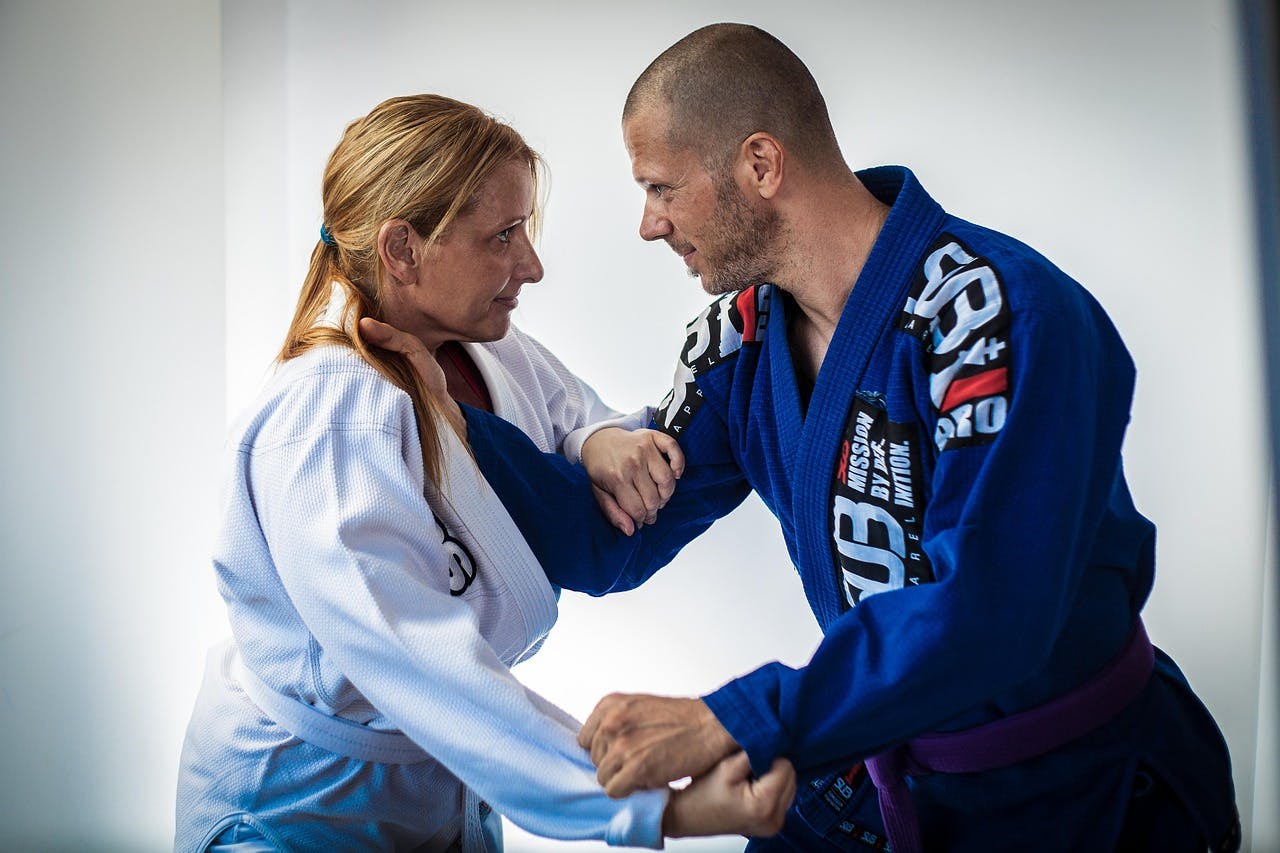
Brazilian Jiu-Jitsu (BJJ) is a ground-based martial art that emphasizes taking down and submitting your opponent. Whether you are learning Brazilian Jiu-Jitsu for self-defense, as a hobby, or to compete, your first practice or rolling session may seem intimidating. In this article, we review five of the best and most fundamental submissions for beginners of the martial art ranked in no particular order.

5. The Armbar

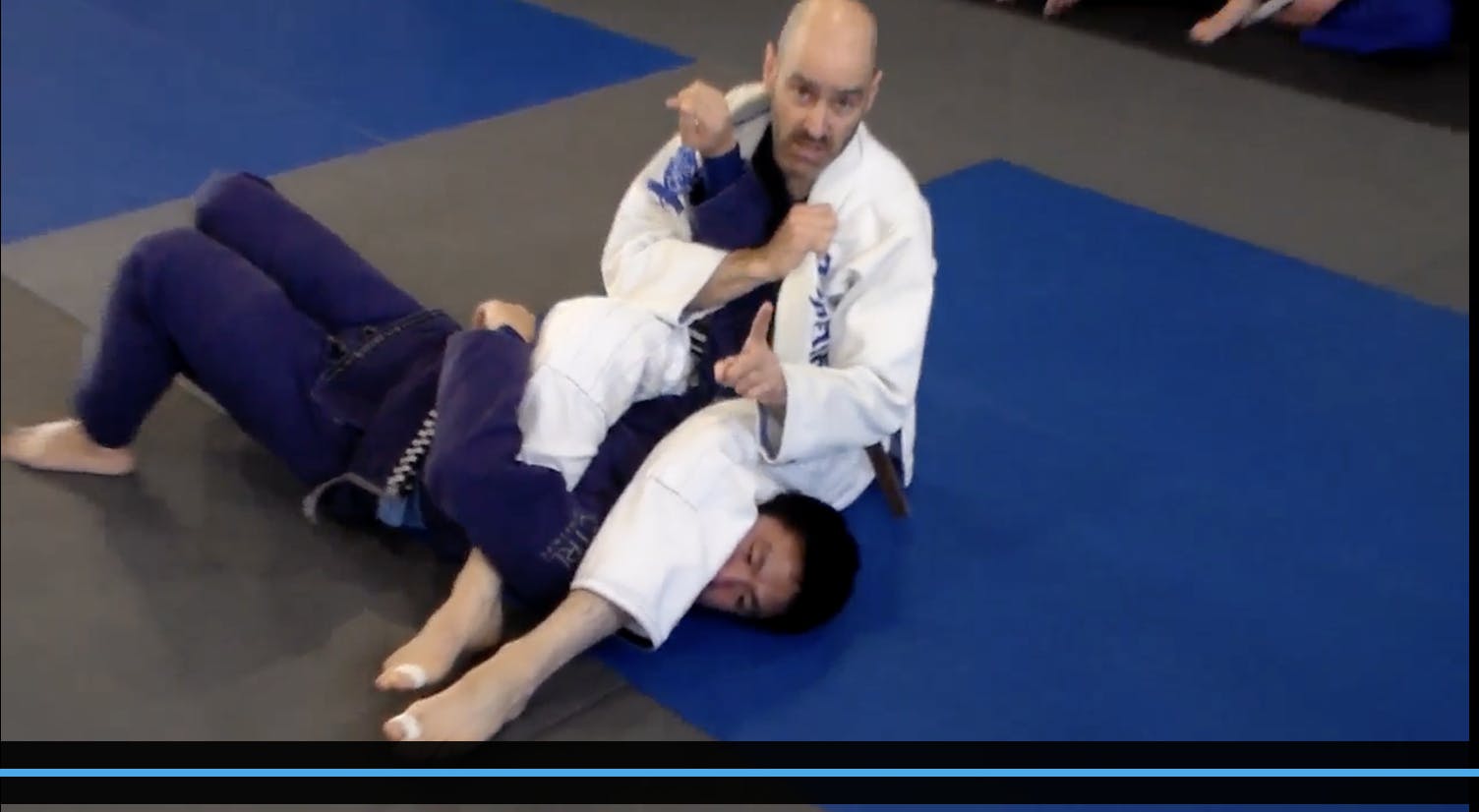
Beginners often learn the armbar from the mount position or while holding someone within their closed guard. To perform the armbar from these positions, isolate and control one of the opponent's arms. Next, swing your leg over the opponent's neck while still controlling the arm and move your other leg over the opponent's chest. Your opponent's arm should be between your legs and close to your chest. When in this position, continue to hold your opponent's arm to your chest while leaning back and elevating your hips. This move is effective in both Gi and No-Gi BJJ and can also be used in multiple positions as you improve your submission skills.

null

4. The Triangle Choke

The Triangle Choke is another powerful submission that focuses on strangling your opponent by squeezing your opponent's neck with your legs. It is primarily used when holding someone in closed guard but it can also be used in various other instances. To perform the move, similar to the armbar, isolate an arm and trap said arm and your opponent's head between your legs. A common setup from closed guard is using an over-hook to trap an opponent's arm while you isolate the opponent's head and arm. When you have your opponent's head and arm between your legs, proceed by ‘figure-fouring’ your legs together to form a triangle shape. When this is done, shrink the triangle by choking your opponent at an angle. Pulling on the head is another way to quickly finish a triangle once it is locked up.

3. The Americana 

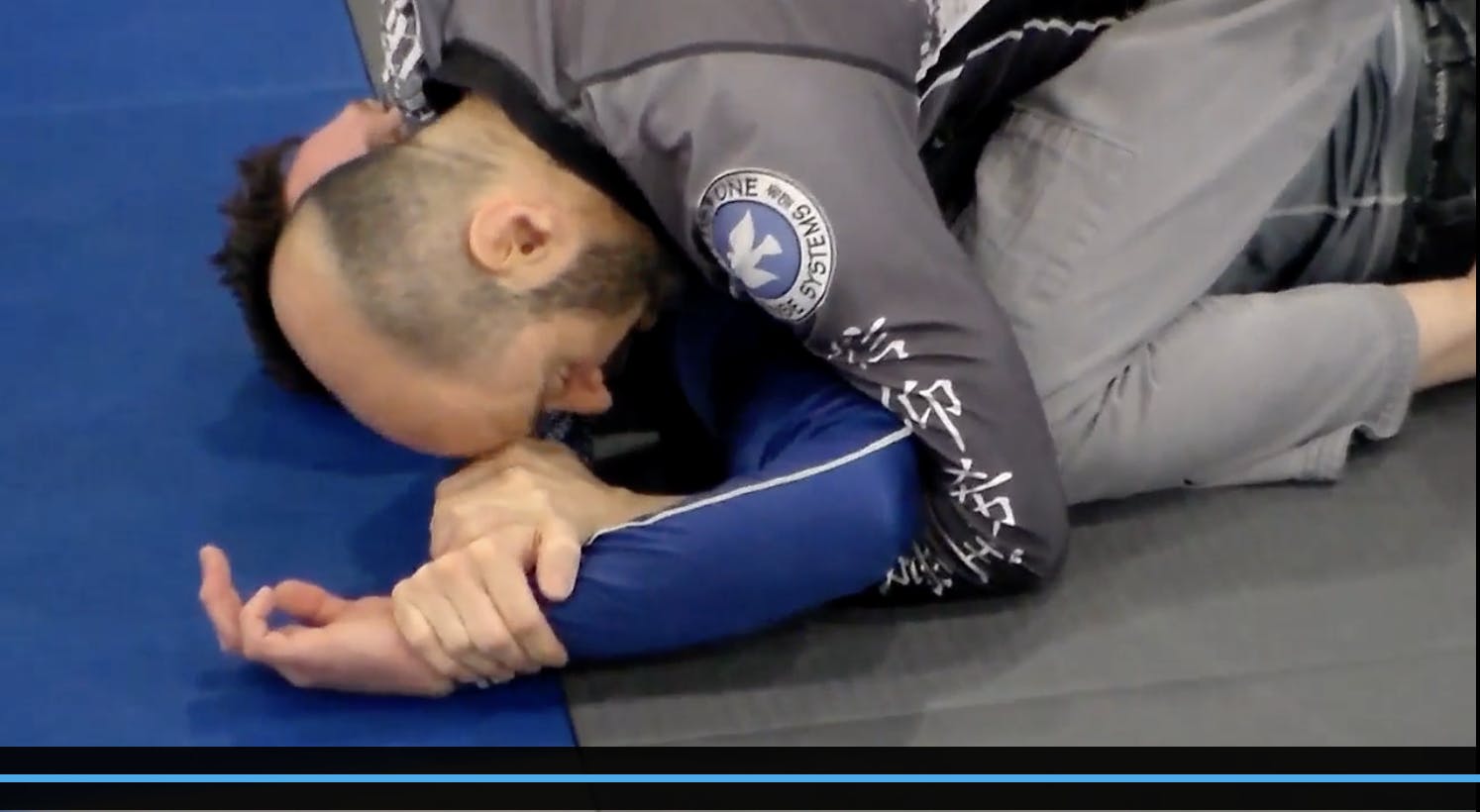
The Americana is a quick and easy submission to both learn and perform. Mainly found in the side control position, this submission requires that you take your hand closest to the opponent's head and pin the opponent's opposite arm down to the mat by grabbing their wrist. After this, reach your other hand under the opponent's bicep and grab onto your wrist. Once this is done, bring the opponent's arm close to their side and elevate your opponent's bicep while still pinning their wrist down. This should elicit a tap very quickly if done properly

null

2. The Guillotine

The guillotine is an incredibly effective submission when facing off against wrestlers or other ‘shot-heavy’ grapplers. The submission is a defensive one that has several variations and is mainly hit from the front headlock position or when being taken down into guard. When in the front headlock or while an opponent is shooting, wrap your arm around your opponent's neck and clasp your hands together. If in the front headlock position, be sure to apply pressure to their shoulders to ensure that they cannot easily escape the submission. After your hands are clasped around your opponent's next, squeeze while engaging your hips to ensure the tap. Make sure that your arms are underneath the opponent's chin to avoid counters.

1. Rear Naked Choke

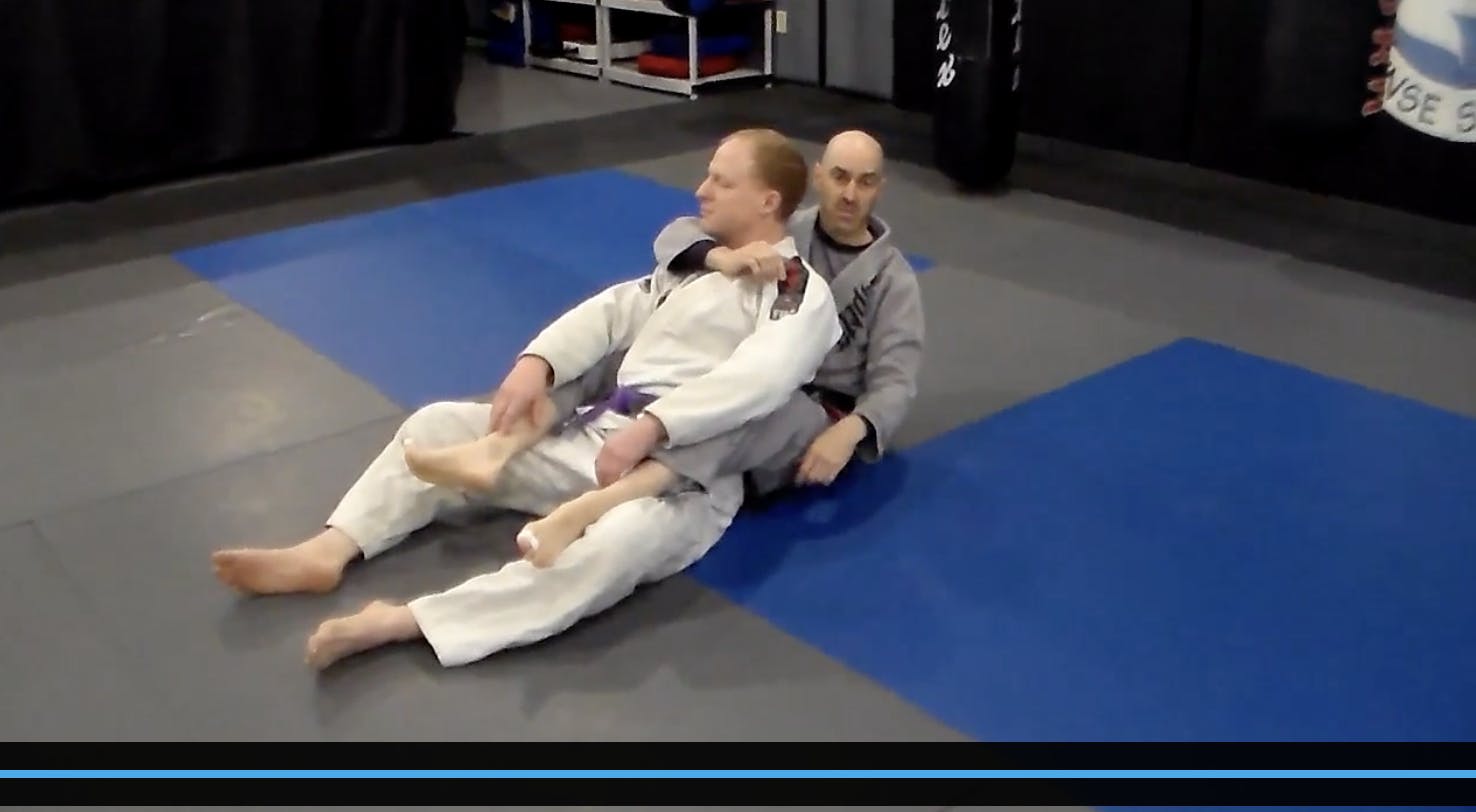
The rear naked choke is, by far, one of the most fundamental and common BJJ Submissions that beginners learn when starting BJJ. To utilize the rear naked choke, take your opponent's back and make sure that you have both of your legs around your opponent to ensure that they cannot escape. Then reach one of your hands under the chin of your opponent and squeeze by grabbing your other hand. Numerous grip variations exist including the gable grip or grabbing your bicep while your hand is behind or on top of your opponent's head. Pressing on the back of the head or ‘figure-fouring’ your legs together are also small moves that could elicit a tap faster. 

null

Incorporating these submissions into your skillset will provide you with a solid and versatile arsenal of submissions to choose from when rolling. Learning and applying submissions to live rolls may seem difficult, however, practicing and mastering these five submissions will elevate your submission game and provide you with competent submission offense. To learn these submissions from top coaches, click the links above.

NYSS Twitter Focus on Fun

Thursday, June 19, 2025

US Sports Volleyball: Three Volleyball Drills to Round Out Your Team’s Skills and 🇨🇭 Vergé-Dépré sisters claim 1st Beach Pro Tour gold together 🥇


  • By Grant Young

There isn’t enough time in the day for volleyball coaches to perfect every aspect of every one of their players’ respective games. 

Each player needs something different in order to improve their specific skillset, and every team will be comprised of different players that will require different coaching methods and techniques. 

And even if a coach has the exact same roster of players for two consecutive seasons (which is all but impossible), those players are going to be different from who they were one season ago, and will therefore also require different coaching.

While this can seem daunting, the reality is that no coach (or player or team) is going to be perfect, and there will always be more for teams to work on. This is why having a few fundamental volleyball drills that are proven to improve and help round out a team’s skillset is all a coach needs to rely on. 


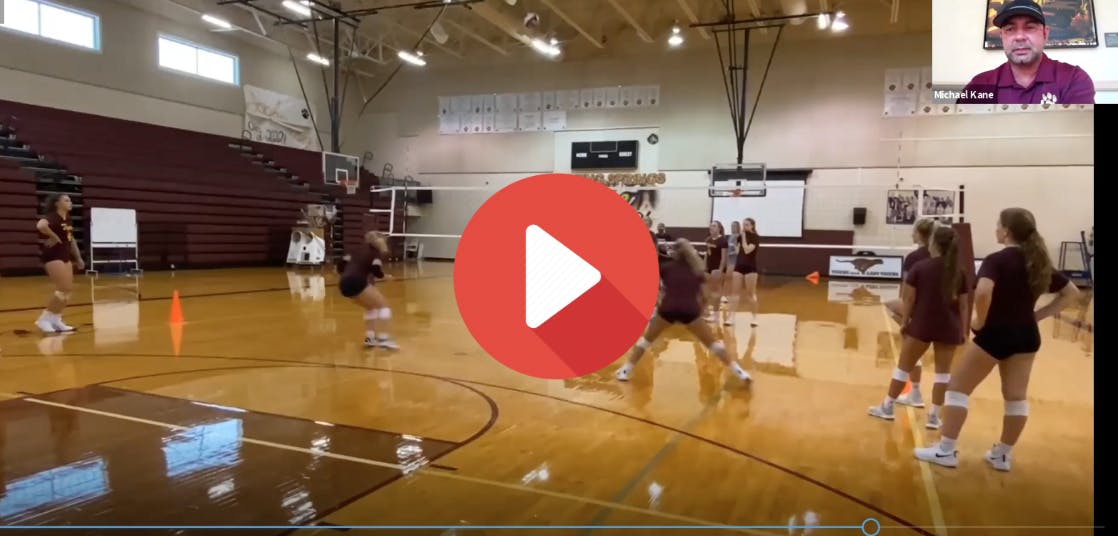
And there are few coaches better to rely on than Michael Kane. 

Coach Kane has been the Dripping Springs High School women’s volleyball head coach for over 26 years. During this time, he has acquired many accolades; most recently winning the 6A state championship (being just the first season Dripping Springs competed in the higher division), which takes his total state titles to six. Coach Kane also holds the title of the winningest coach in DSHS history. With more than 800 high school career wins, this makes Kane one of the winningest coaches in Texas volleyball history. 

Setting Coach Kane apart is the culture he creates with the student-athletes. They feed off Kane’s investment and love of the game; which is proven by the Dripping Springs volleyball program averaging 35% of its players going on to play at the collegiate level.

While Coach Kane surely has access to elite athletes, the way he runs his practices — specifically, the drills he decides to utilize on a daily, weekly, and yearly basis — has contributed to this staggering success. 

This is why his ‘Volleyball Skills and Drills’ course is vital for any volleyball coach who wants to extract the most success out of their players as possible. 

Pass to Yourself, Jumpset to Your Partner

One simple warm-up drill that Coach Kane swears by is what he calls the ‘Pass to Yourself, Jumpset to Your Partner’ drill. 

This drill begins with players getting into groups of two and three. Once they’re in their groups, the player who has the ball will toss it into the air and jumpset it to their partner. The partner receiving the ball will then pass it to themselves by jumping it into the air above them then jumpset it back to the person who started with the ball. 

If there are two people in the group, it can continue this way for some time. And if there are three players in a group, each time a person jumpsuits they will walk to the other side of the line so they’re available when the turn comes back around to them. 

When having players do this drill, Coach Kane suggests adding variations after a few rounds in order to make it more difficult and get players more experience. For example, a coach can instruct their players to face backwards and have to react to the ball as it’s coming at them, or have them face both the left and right side so that they have to execute passes with a left and right shoulder drop. 

As a coach, be sure your players are hitting the ball in the correct position with the proper footwork. While this drill is simple enough, players need to essentially be able to jumpset and pass to perfection if they’re to ascend to the college level.

Dig 10 in Transition

Another great partner drill that Coach Kane swears by is what he calls the ‘Dig 10 in Transition’ drill. 

Just like the last one, the Dig 10 in Transition drill begins with two partners. The partner with the ball will start by tossing the ball nice and high before slapping it down around their partner’s knees or ankles. From there, the partner will dig it back to their initial partner, who will catch the ball. 

The goal here is for the partner to dig the ball from different points and angles so that they’re comfortable doing so in the game. 

The drill’s Transition aspect comes with the player who’s doing the digging beginning the drill by backpedaling, which is their way of simulating getting into position. Because executing a dig in transition is more difficult than doing so while standing stationary, this prepares players to execute their dig when it matters most. 

Double Dig Lateral Movement

null

A third drill that Coach Kane highly recommends is what he calls the Double Dig Lateral Movement drill. 

This drill is about getting players to shuffle their feet and having their hands at the ready. It will start with two lines on either side of the court, facing the net. The coach will then be tossing balls to the middle constantly, which causes one player to shuffle in, dig, pass, and then shuffle to the baseline while the person in the other line shuffles in. 

After a player does this two or three times, they go to the back of the line so the person behind them can get their reps. 

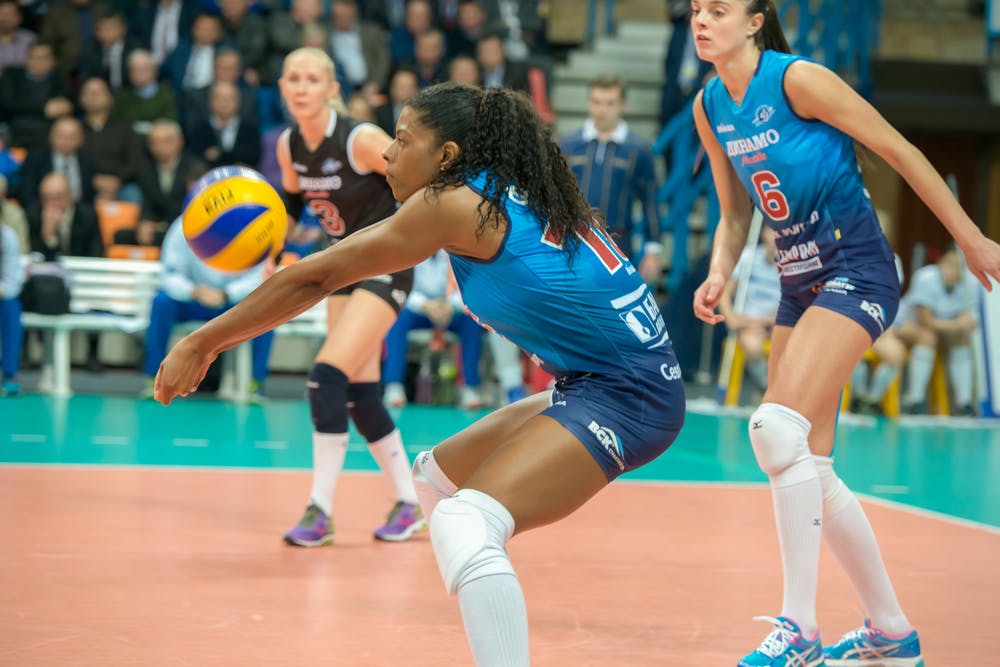
This drill helps coach players to keep their hands out in front of them at all times, which is going to benefit them in all aspects of the game, and at every level. And if players can get comfortable moving four to five feet laterally while executing a dig, that could make the difference between winning and losing.

NYSS Twitter Be a Role Model

Wednesday, June 18, 2025

US Sports Softball: The 5 Biggest Mistakes Softball Coaches Make and Texas Tech Red Raiders vs. Texas Longhorns Game 3 Highlights


  • By Brandon Ogle

This can definitely be the case in softball as well. In this article, I’ll discuss some of the biggest mistakes that plenty of softball coaches seem to make time and time again.

Mistake #1: Instructing All Players The EXACT Same

At the youth game, differences in skill sets might not be as distinct. However, trust me, they are there. The easy approach to coaching is running every player through the exact same drills. However, you have different types of players. Some are more speed focused, while others rely on the pop produced by their bat. With this said, coaches should be grouping players by skillsets for practice set-ups. The first half should focus on honing in on strengths and making those as pristine as possible. Then, with the second half of practice, focus on weaknesses. Look at the areas that are holding the player back from being a more complete player.

Mistake #2: Not Being the Coach

Not being the coach? Some of you might raise an eye at this one. With this said, what I’m stressing is the need to be the coach and sometimes this means discipline. I’m not talking about continuously yelling at your players, but rather using your position to train players. Occasionally, you’ll likely confront players that think they know more than the coach. Don’t let a negative attitude disrupt the rest of your team.

Mistake #3: It’s Not All About Winning

We live in a world where winning is sometimes viewed as always being the primary goal. Michael Jordan once said, “I've missed more than 9000 shots in my career. I've lost almost 300 games. 26 times, I've been trusted to take the game winning shot and missed. I've failed over and over and over again in my life. And that is why I succeed.” Don’t be the coach that creates a culture where players think an “L” is a complete failure and any season that doesn’t end with a trophy is a disappointment. Once you let the culture get away, all of a sudden softball goes from fun to a burden.

Mistake #4: Thinking All Kids Should Fall in Love With the Game

This mistake is mainly applicable to youth coaches. I always say that youth coaches should be more focused on development, as opposed to racking up the trophies. At the same time, you need to understand not every player on a youth team is going to be “all-in” on a particular sport. Don’t take this as an insult. Some kids are just there for the social part. Don’t think that you need to be more disciplined to get them to love the game. For these kids, it might be more about teaching them some life skills instead of perfecting their softball talents.

Mistake #5: I’m the Expert

As a coach, it is your job to teach players and develop their skills. However, don’t be the coach that is never accepting feedback from anyone. Going along with this, you don’t want to be the one that is always coming up with random historical philosophies that will ‘supposedly’ transform your team. At the end of the day, it’s critical to find a happy medium between being strict and having fun. After all, softball is supposed to be fun, right?

At the end of the day, no coach is perfect. We’re all going to make some mistakes. Just don’t keep falling victim to the same one. Just as it should be with your players, learn from your mistakes!

NYSS Stay In The Game 

Tuesday, June 17, 2025

US Sports Golf: History of Golf and 2025 U.S. Open Highlights: Final Round


  • Author Pete Buchanan

The popularity of golf is growing, with 68 million golfers worldwide to date. Since 2020, the number of 9- and 18-hole golfers has increased by 15% in three years. Countries like the USA, Japan, and Canada comprise the largest percentage of players, with the US alone seeing 20 million people participating in the sport.

USGA

Participation outside of golf is also rising, with off-course activities such as driving ranges and simulators driving participation. While golf is growing in popularity annually, many do not know its history, including when it was invented and key facts concerning its origins. This article outlines the history of golf in under five minutes of reading time.

When was Golf Invented?

The origins of golf are largely debated, but its history can be traced back to ancient empires, such as the Roman Empire and the Chinese Ming Dynasty. Specifically, the Roman stick-and-ball game of Paganica, which spread throughout Europe, and the Chinese game Chuiwan, played by traders throughout the continent, are likely descendants of golf.

After these old golfing variations spread throughout medieval Europe, the first forms of golf resembling modern-day interpretations were established near Edinburgh, Scotland. Historical records indicate that a stick or club was used to hit pebbles over dunes as a form of golf. It gained noteworthy popularity, so much so that it was banned in 1457 by the Scottish Parliament of King James II.

In 1502, this interpretation of golf gained royal permission and was endorsed by King James IV. The monarch’s predecessors – King Charles I and Mary Queen of Scots- later spread the sport throughout England and Europe.

In the following two hundred years, the first international golf tournament took place in 1682 in Lief, Scotland, with the first club formed in 1744 named the Gentlemen Golfers of Leith – formally instituting the sport we know today. The world’s first 18-hole course was established at St Andrews, Scotland, establishing a new standard for golf twenty years later in 1764; through the next century and beyond, golf went global, with the British Empire disseminating it from India to Hong Kong, giving the sport the international appeal we see today.

To learn more about golf, explore our video courses on the ISNation app, by veteran golf coach Pete Buchanan

5 Historical Facts About Golf

The history of golf is complicated, with historical scholars often disagreeing on its origin. Still, here are five commonly agreed-upon facts about golf you might not have known about:

While golf was banned in 1457 by King James II to favor other sports, such as Archery, the Scottish largely ignored the ban

King James IV of Scotland became the first golfing sovereign in 1502 when his parliament reinstated golf.

The term ‘caddie’ derives from Mary Queen of Scots’ French assistants, Cadets, who aided her in France while she studied and spread the sport.

Outside of Britain, the world’s oldest golf club, the Royal Calcutta Golf Club, was established in India in 1829.

In Europe, the first golf course was constructed in Pau, France, in 1856, and other clubs and golf courses were established throughout the continent in the 19th century.

Who is the Best Golfer of all Time?

While hotly debated, the best golfer of all time can be narrowed down to Tiger Woods or Jack Nicklaus—both masters of the sport with numerous wins and titles; these players are practically equal in their accomplishments and profound impact on golf. Nicklaus won 18 major championships (currently an unbeaten record), 73 PGA Tour wins, and was the youngest golfer to win a grand slam at 26.

Conversely, Woods holds the record for most PGA wins with 15 majors and 683 weeks at the top of his game as the best golfer in the world. Both players have lengthy accolades and accomplishments, making it difficult to determine the best golfer of all time. Woods is known for his mind-bending shots, while Nicklaus dominated the tour during the 1960s and 1970s, an era noted for its intense competitiveness. This distinction between the two greats is difficult to make.

What is the Farthest Drive in Golf History?

American PGA Tour golfer Max Homa executed the longest official golf drive in history in 2024. Performed at the seventh hole of the Plantation Course at Kapalua in Hawaii, Homa drove the ball 477 yards.

While this is officially the farthest drive in golf history on tour, other notable unofficial drives include Tiger Woods at 498 yards, Carl Cooper at 787 yards, and Mike Austin at 515 yards. The former saw the record wiped by the PGA, and the latter two are not officially included because they were conducted prior to the year 2000, before the ShotLink Era.

Nevertheless, Max Homa still holds the record for the longest official golf drive in history, with Davis Love III and Jeff Sluman narrowly behind at 476 and 473 yards on the PGA tour.

What Countries is Golf Most Popular?

The worldwide popularity of the sport has seen most traction and players in the following 3 countries, based on # of golf courses:

USA

Japan

UK

It is particularly notable that Japan ranks #2 despite having much less land to build courses on compared to the UK or Canada.

Golf Has a Rich, Royal History

This article has outlined the history of golf from its ancient conception to its expansion in Scotland, England, and, subsequently, the rest of the world. Tied to the British monarchs of old, modern-day golf is intrinsically linked to the royal heritage of the contemporary Western world.

If you’re a golfer looking to improve your mental game, check out the ISNation App for mind set courses and daily training.

NYSS Find Their Strengths